
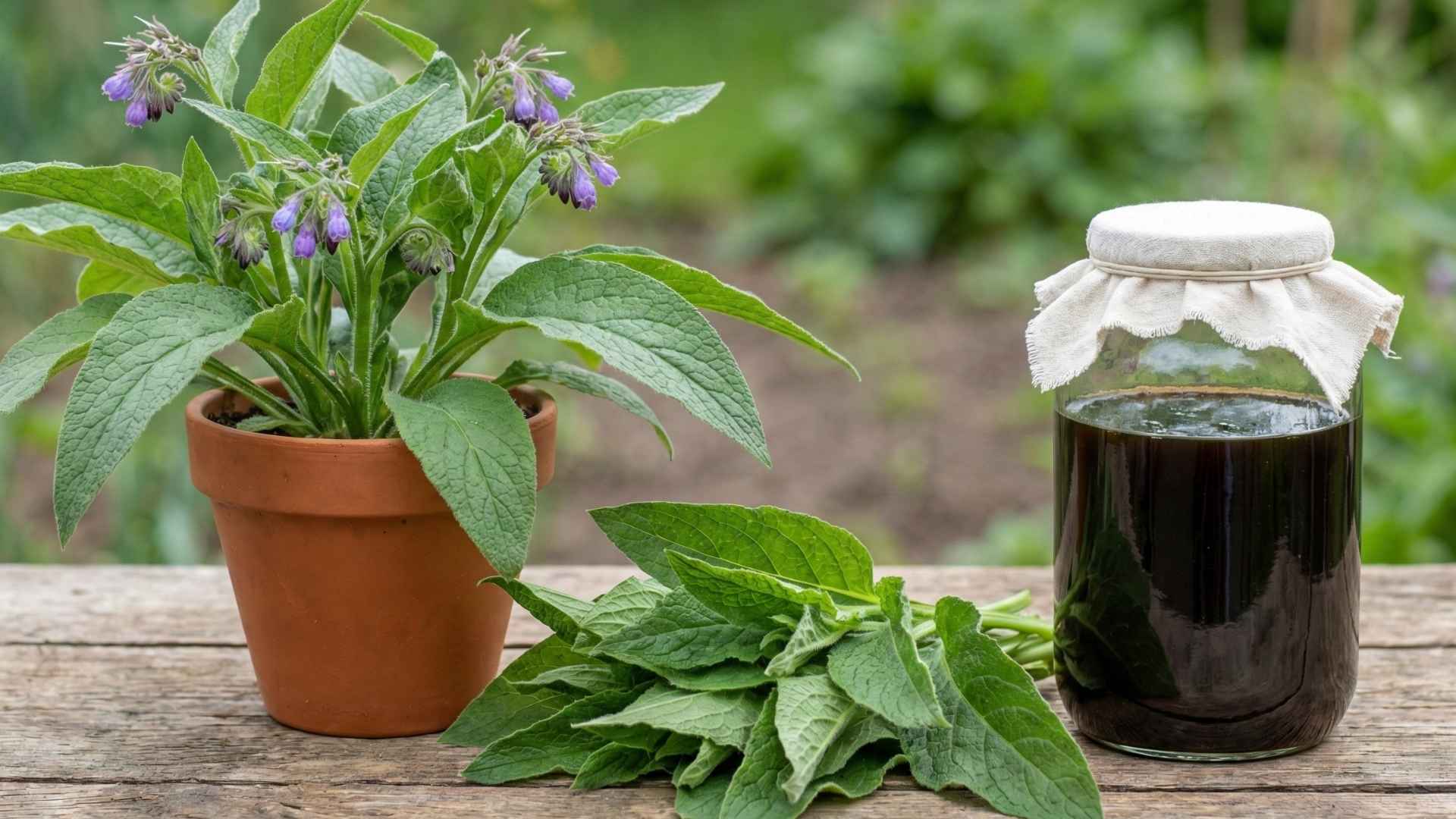


At first, it sounded like a myth. You know those gardening rumors that roll through online forums, whispered like a long-lost secret? An organic spray capable of shielding cucumbers from every creepy crawler and sneaky spore. I must confess, even as a seasoned gardener, I was intrigued but skeptical.
Then, during a sunny Saturday morning at a local gardening fair, I met Ana, an elderly gardener whose cucumbers were the talk of the town. They were picture-perfect, untouched by the common afflictions that usually plague cucumber plants, like pesky aphids or powdery mildew. She generously shared her secret—a special organic concoction that she swears by.
The Magical Spray: Unveiling Its Secrets
Ana's spray is a delightful blend of neem oil, garlic, and soap—a powerful trinity that’s both gentle on nature and tough on pests. This trio works wonders due to their individual properties and how they synergize when combined.
Neem Oil: A Natural Protector
Neem oil, extracted from seeds of the neem tree, is a cornerstone of organic pest control. Azadirachtin, its active compound, interferes with the hormonal systems of insects, making it difficult for them to lay eggs and grow. It’s a fantastic preventive for many pests, including those tiny aphids that adore cucumber plants.
Garlic: Pungent Power
Garlic isn’t just for warding off vampires! When infused into a spray, garlic acts as a robust antifungal and antibacterial agent. Its sulfur compounds deter a host of pathogens and even regulate plant respiration and circulation, akin to strengthening a plant’s immune system.
Soap: The Unsung Hero
Simple castile soap in moderate amounts helps Neem and garlic adhere to the plant's surfaces, ensuring every leaf, stem, and stubborn nook and cranny is covered. The soap also directly impacts soft-bodied insects like mites by breaking down their outer coatings.
Applying the Organic Spray
With Ana's guidance, I tried the spray myself. Mix 1 tablespoon of neem oil, 1 tablespoon of garlic juice (created by crushing and steeping cloves in water), and a teaspoon of liquid Castile soap in a gallon of water. Shake vigorously and decant into a spray bottle.
Apply during the early morning or late afternoon to avoid scorching under the sun. Spray every 7 to 10 days, ensuring that both sides of leaves and entire stems get a thorough application.
Do Different Varieties of Cucumbers React Differently?
One fascinating aspect was that this spray worked across various cucumber cultivars without bias. From miniature pickling cucumbers to large slicers, the results were consistently impressive.
Benefits Beyond Pest Resistance
Aside from pest and disease resistance, Ana's cucumbers were also more vigorous. The spray indirectly improved photosynthesis efficiency by keeping leaf surfaces clear of harmful residues and fungi, allowing for enhanced growth.
Potential Limitations and Considerations
While the spray worked impressively, it’s worth noting that heavy infestations might necessitate more frequent applications. And while it’s non-toxic to humans and pets, always consider the impact of garlic on pollinators—applying after pollination periods will be safer.
FAQs About the Organic Cucumber Spray
-
Can I use this spray on other plants? Yes, this concoction is safe for most vegetable plants, though do a spot test first to ensure no adverse reactions.
-
How often should I apply the spray? Apply every 7 to 10 days, or after heavy rain, as the effectiveness reduces with washing.
-
Is it harmful to beneficial insects? When used properly, it doesn’t target beneficial insects, though applying when bees are less active is advised.
-
Will the garlic affect the taste of the cucumbers? No, it won’t alter the flavor when applied as directed.
-
How long can I store the spray once mixed? The mixture can last about a week refrigerated; however, freshness ensures potency.
-
Can it eliminate all pest issues? It's most effective as a preventive method; severe infestations might require additional control strategies.
-
Will it work on fungal infections? Yes, it’s effective against many fungi, but maintaining consistent application is key.
-
Does it work in different climates? It’s versatile but may require adjustment in frequency based on humidity levels.
-
Is there a specific neem oil to use? Use cold-pressed neem oil free from any additives or fragrances for best results.
-
How soon will I see results? Visible reduction in pest numbers can be seen in a few days, with plant health improvement over weeks.
Discussion (0)
No comments yet. Be the first to start the conversation!
Leave a Reply