


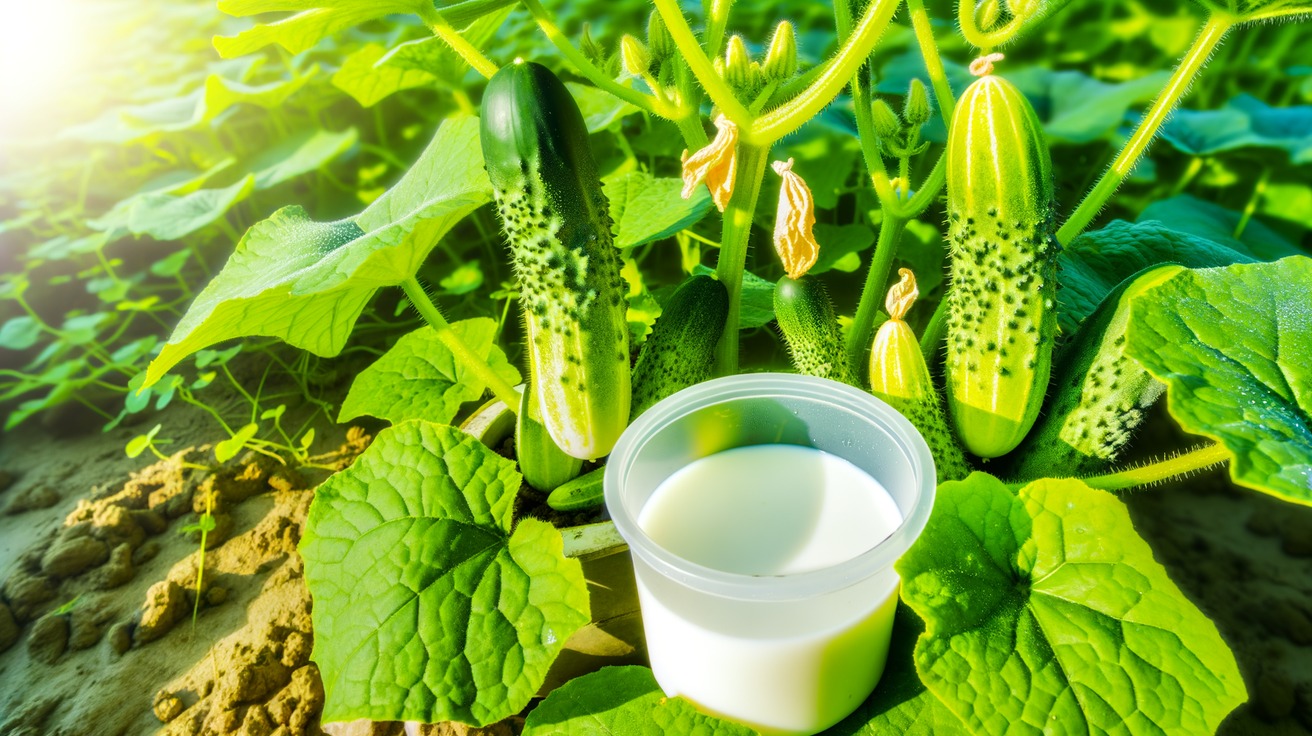
The Day My Cucumbers Changed Forever
I remember the summer evening vividly. The sun began its descent, casting a golden hue over my backyard. I was tending to my cucumber plants, which were struggling, when my dear neighbor, Mrs. Jenkins, peered over the fence. Her eyes twinkled mischievously as she held up a little bucket. "Ever tried milk in your garden?" she asked. I chuckled at the absurdity, picturing my garden becoming a dairy. But curiosity got the better of me that day, and I listened to her advice. Little did I know that a splash of milk could transform my humble cucumbers into thriving, robust plants. This was the beginning of a gardening revelation.
The Science Behind Milk as a Garden Elixir
Nutrient Richness of Milk
Milk isn't just a breakfast staple; it's a nutrient-dense liquid filled with vitamins and minerals, including calcium, protein, and vitamins B12, D, and E. These nutrients, when introduced to the soil, can become a formidable ally in growing healthy plants.
Milk as a Natural Fungicide
Milk acts as a natural fungicide, combatting mildew and other fungal diseases that can wreak havoc on your cucumber plants. By disrupting the growth of harmful fungi, milk helps ensure that your cucumbers thrive in a healthier environment.
How to Use Milk in Your Garden
Dilution is Key
Using milk directly from the carton can be too rich for plants, potentially leading to soil imbalance. The general rule of thumb is dilution: mix one part of milk with nine parts of water. This balance provides the benefits without overwhelming your plants.
Application Methods
- Spraying: Use a garden sprayer to apply the diluted milk solution to the leaves of the cucumber plants for disease prevention.
- Soil Drenching: Water the soil around the base of the cucumbers with the milk solution, ensuring the nutrients reach the roots.
Frequency of Use
Incorporate milk into your gardening routine bi-weekly for best results. This frequency allows the soil and plants to absorb the nutrients without oversaturation.
The Remarkable Benefits for Cucumbers
Enhanced Growth
After incorporating milk, I noticed a significant growth spurt in my cucumbers. The leaves became greener and larger, the vines more vigorous, and the cucumbers themselves were more robust and plentiful.
Disease Resistance
Milk-treated cucumbers displayed a stronger resistance to common diseases like powdery mildew. The natural fungicidal properties of milk curtailed disease expansion, leading to healthier plants overall.
Improving Soil Health
Over time, regular addition of milk contributes to the microbial health of the soil, adding organic matter and nourishing the soil ecosystem, creating a better environment for cucumbers to flourish.
Addressing Concerns and Misconceptions
Will it smell?
A common worry about using milk in the garden is the possibility of odor. Proper dilution and usage minimize any smell. It's similar to any organic amendment — when used correctly, your garden should remain fragrant and pleasant.
Is it expensive?
Considering the cost of many garden amendments, milk is an affordable alternative. Often, you can use leftover milk that's nearing expiration, making it a cost-effective solution for improving plant health.
Expanding Milk's Use Beyond Cucumbers
Tomatoes
Like cucumbers, tomatoes benefit significantly from the addition of milk. It helps with disease resistance, particularly against blight.
Squash and Melons
These relatives of cucumbers also respond well to milk, showing improved disease resistance and growth.
Ornamental Plants
Even flowers and shrubs can gain from milk's nourishing properties. Roses, in particular, flourish with milk treatments, boasting prettier blooms and vigorous growth.
FAQs
1. Can I use any type of milk for my garden?
Yes, most types of cow's milk will work. Skim milk, whole milk, and even expired milk can be used, provided it is diluted properly.
2. How often should I apply milk to my cucumber plants?
Apply diluted milk bi-weekly to maintain plant health and promote growth.
3. Can I use milk in my garden during the hot summer months?
Yes, but apply early in the morning or late in the afternoon to prevent rapid evaporation and potential odor issues.
4. Is milk safe for all plants?
While generally safe, always test on a small area first, as different plants might react differently.
5. What should I do if my garden starts to smell?
Ensure you have diluted the milk properly and check for any spills. Applying milk early or late in the day helps prevent odor.
6. Can milk attract pests?
When applied correctly, milk shouldn't attract pests. However, using too much may attract animals interested in the dairy scent.
7. Will milk alter my soil pH?
In general, milk should not significantly alter soil pH, especially if used in dilution.
8. Can I use milk with other garden fertilizers?
Yes, milk works well alongside other fertilizers and can enhance the nutrient uptake by improving soil health.
9. What are the signs that milk is benefiting my cucumbers?
Look for greener leaves, more robust vines, and an increase in cucumber yield and size.
10. Can I use plant-based milk?
Plant-based milks lack the same nutrient profile and are not recommended. Stick to cow's milk for best results.
Discussion (0)
No comments yet. Be the first to start the conversation!
Leave a Reply