


A Personal Journey of Revival
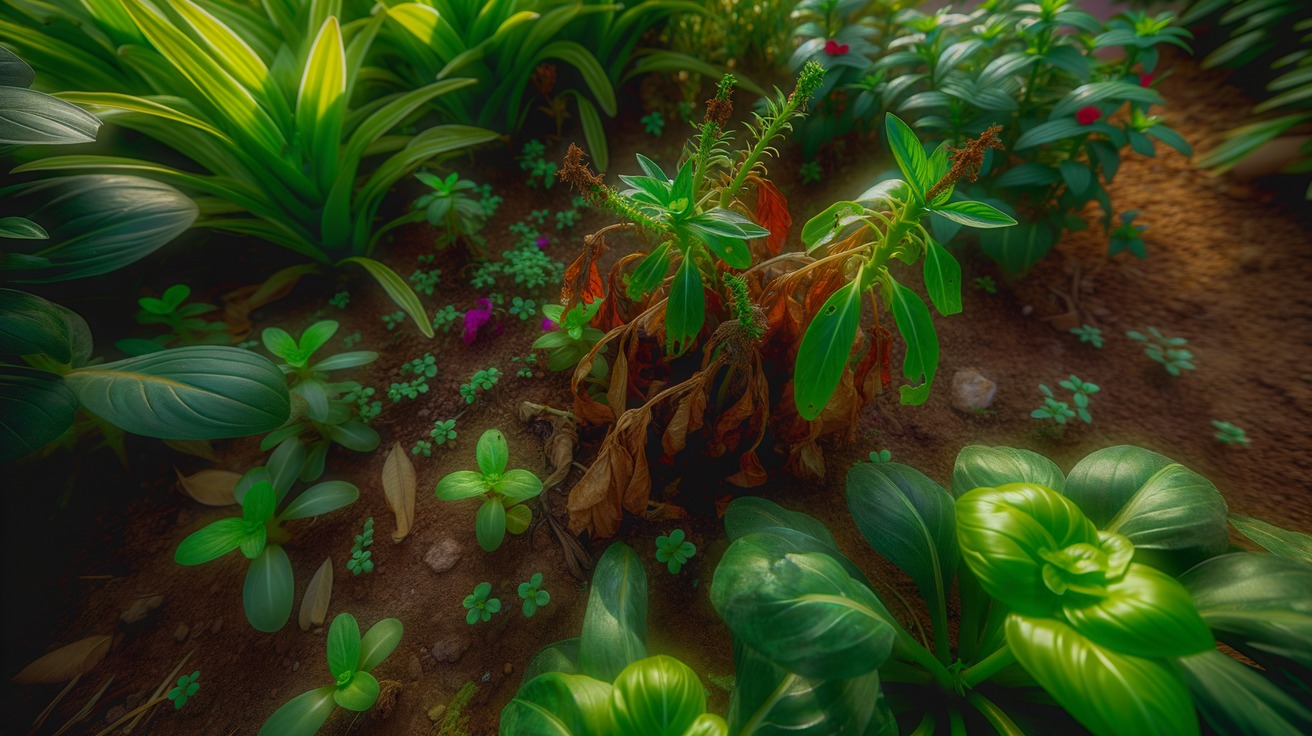
With a soft breeze playing through my hair, I stared at the withered stems protruding from a pot on my porch. My heart constricted with regret as I recalled the time when my Philodendron had been the pride of my garden—a lush, green spectacle of nature's splendor. Now, it was a shadow of its former self, brown and brittle. The sight was despairing, and, to be honest, I had almost given up hope.
The Day It All Began
It all started when life got busier than usual. Responsibilities at work and home burst through the seams of my calendar, pushing aside the simple joys of spending time in the garden. Days turned into weeks, and my beloved plant began its unfortunate transformation into this shriveled version of itself. Guilt gnawed at me; I had neglected the flourishing friend who had brightened my days.
Beginning the Rescue Mission
Determination surged within me. I resolved to revive my cherished Philodendron, restoring it to its former glory. This wasn't just about saving a plant; it was about rekindling my connection with nature—an integral part of my life that revitalized my spirit and soothed my soul.
Understanding Plant Needs
Before embarking on the rescue mission, it was critical to understand what plants need to thrive. Here's what I discovered:
Light Requirements
Each plant species has unique light requirements. My Philodendron loves bright, indirect light. If placed in low-light conditions for too long, its growth would falter, as happened in my case. Adjusting plant location to match its lighting needs can be life-changing.
Watering Wisdom
Overwatering and underwatering are common culprits in plant distress. I realized I had been inconsistent with watering—sometimes too generous, other times forgetful. A regular routine, with only when the topsoil dries out being the guiding principle, is crucial.
Soil and Nutrients
Plants draw nutrition from the soil. Pot-bound plants and depleted soil can be detrimental. Re-potting with fresh, nutrient-rich soil rejuvenated the roots of my Philodendron, enabling it to absorb essential nutrients once more.
Steps to Resuscitate a 'Dead' Plant
With knowledge in hand, I crafted a plan to bring my Philodendron back to life and, along the way, picked up some valuable techniques applicable to a variety of houseplants.
Step 1: Assess the Damage
Examine your plant carefully to determine the extent of the damage. Check the stems and roots. Stems that are pliable rather than dry and brittle indicate that revival is possible. For roots, if they still have any firmness, there's hope.
Step 2: Clean Up
Prune away any dead leaves and stems using clean, sharp shears. This helps direct the plant’s energy towards new growth rather than trying to sustain what cannot be saved. In my case, it meant removing much of the upper growth, which was painful, but necessary.
Step 3: Re-pot Wisely
Re-potting involves gently removing the plant and transferring it to a pot with fresh soil ensuring good drainage. This process invigorates the roots. After re-potting my Philodendron into its new home, I could already feel a sense of renewal.
Step 4: Optimize Watering
Returning to a watering schedule was essential. Setting reminders on my phone, I adopted the practice of checking soil moisture levels regularly with my finger. The reward? A happy plant with roots that weren’t waterlogged or parched.
Step 5: Modify the Environment
I moved my plant to a location where it could bask in soft, filtered sunlight. Factors like air circulation and humidity were also considered, giving it optimal conditions to encourage recovery.
Step 6: Patience and Care
This step tested my resolve—waiting and watching. The dedication paid off as tiny green shoots emerged, infusing me with encouragement. I learned that the key to plant revival isn’t just techniques, but also patience and love.
Lessons Learned
The Importance of Routine
Plants thrive on consistency, something my life had momentarily disrupted. Establishing a routine not only benefits the plants but also adds a meditative rhythm to human life.
Observational Skills
Paying attention to subtle changes in color or posture helps catch signs of stress early. It's a skill that, once refined, becomes second nature.
Emotional Resilience
Reviving a plant requires an emotional investment. Each plant has its pace of recovery. Celebrating progress, no matter how small, reinforced my patience and resilience.
FAQs: Common Questions About Reviving 'Dead' Plants
1. How can I tell if a plant is truly dead?
To determine if a plant is dead, check the stem and roots. If they are brittle and brown, it's a sign that the plant may be beyond recovery. However, pliable stems and some resilience in the roots offer hope.
2. Can I use household items to improve plant health?
Yes, items like coffee grounds and eggshells can enhance soil fertility. However, use them cautiously as they may alter the pH levels of the soil.
3. What is the best way to water a struggling plant?
Bottom watering, where the plant absorbs water through its drainage holes, is beneficial for struggling plants as it promotes deep root watering without over-saturating the soil.
4. Is it possible to revive all types of plants?
Not every plant can be revived, especially if the damage is extensive. But many can recover with proper care and persistent effort.
5. Should I add fertilizer to a struggling plant?
Avoid fertilizing a struggling plant. It needs to stabilize first. Once you see new growth, introduce a balanced fertilizer at half strength.
6. How much light is ideal for an ailing plant?
It depends on the specific plant, but generally, bright, indirect light is beneficial for most healing houseplants.
7. How often should I check on the progress of a reviving plant?
Regular monitoring is essential. Check every few days for changes in growth, color, and soil moisture.
8. Why are my plant's leaves turning yellow?
Yellowing leaves can indicate overwatering, nutrient deficiency, or pest issues. Diagnose by adjusting one factor at a time.
9. Can a plant recover from root rot?
If caught early, a plant can recover from root rot by trimming affected roots, re-potting in fresh soil, and adjusting watering practices.
10. How long does it take for a plant to revive?
The time varies widely depending on the plant type, the extent of damage, and environmental conditions. Patience is key as revival can take weeks to months.
Discussion (0)
No comments yet. Be the first to start the conversation!
Leave a Reply