

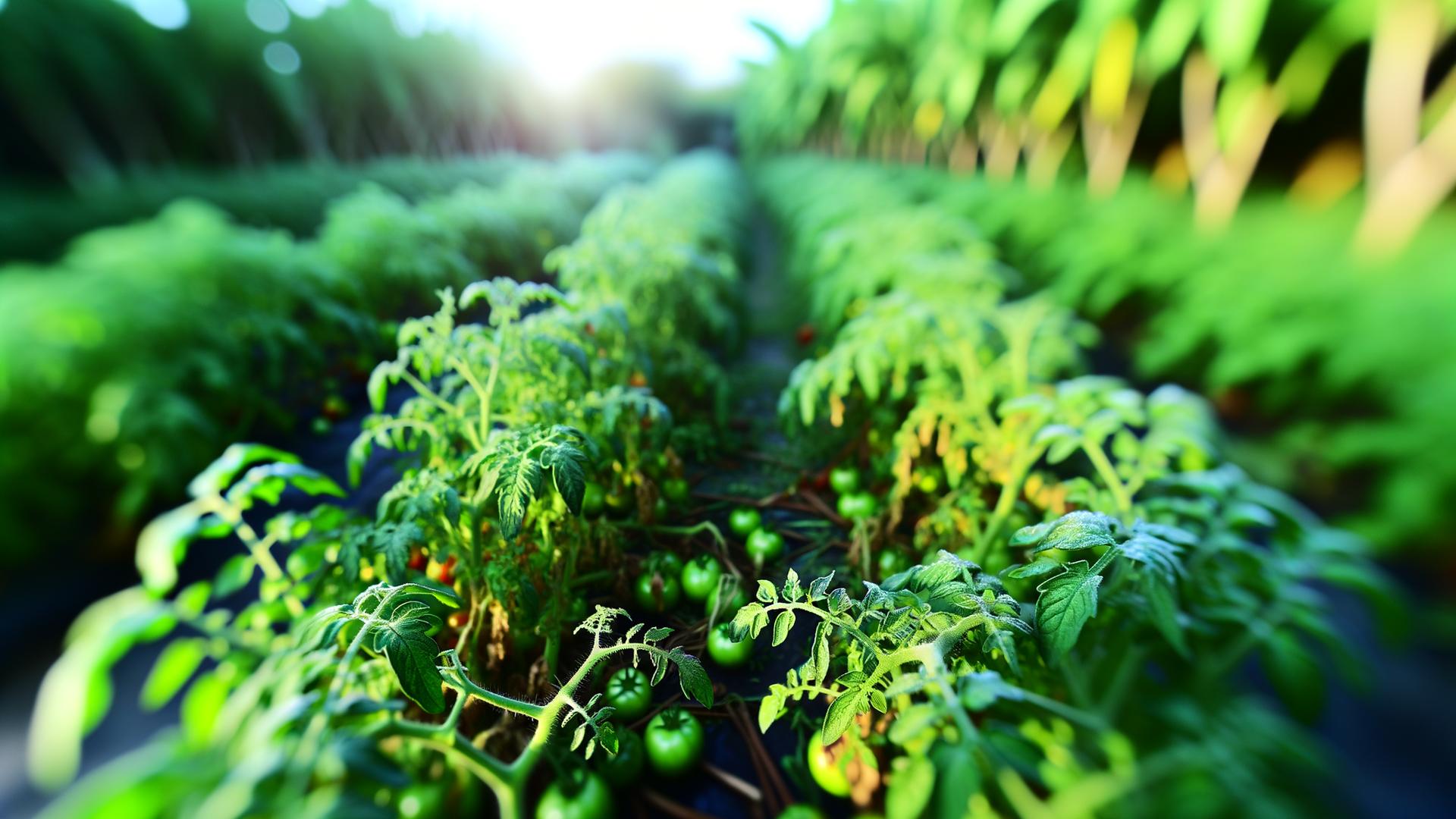

There I was, standing in my modest backyard garden early one summer morning, the sun barely peeking over the horizon. A cup of coffee in one hand, I surveyed my small plot of green paradise, where vegetables of all kinds thrived. Or so I thought. My gaze landed on the cucumber plants, which looked decidedly less than vibrant. Yellowing leaves, drooping vines, and stunted fruits—they seemed to be pleading for help. I was ready to rip them out in frustration, thinking they were beyond saving. But something stopped me. A little voice in my head urged patience, and it turned out to be the best gardening advice I ever heeded.
Assessing the Situation
Initial Observations
As any gardener will tell you, the first step in solving a plant problem is observation. The cucumber plants appeared to be suffering, but why? I ran through a mental checklist of possible issues: watering inconsistencies, nutrient deficiencies, pest infestations, or even disease. Each of these could be the culprit, but I needed more information.
Digging Deeper
Cucumbers are typically robust, thriving plants. They prefer warm conditions and well-drained soil, and they’re not terribly picky about where they grow as long as they get enough sunlight. So, why were mine struggling? I rolled up my sleeves and began a closer inspection, starting with the soil.
Uncovering the Real Problem
Soil Health Check
The soil is the very foundation of a plant’s health, and poor soil conditions can lead to a cascade of issues. I gently dug around the base of the cucumber plants, feeling the cool earth between my fingers. Immediately, it was clear that the soil was compacted and retained too much moisture. Too much water in the soil can lead to root rot or fungal diseases, both of which could explain the poor state of my plants.
Pests and Diseases
While pests like aphids and spider mites can cause cucumber leaves to yellow and curl, they don't typically cause the whole plant to droop. However, diseases such as powdery mildew and bacterial wilt can be more insidious. Upon closer inspection, I noticed a few telltale signs of mildew—a fine, white powder on the undersides of some leaves. Though it wasn’t widespread, it was certainly a factor.
Roots Tell the Tale
The final clue lay underground. I decided to gently remove one of the most affected plants from the soil to inspect the roots. What I found was eye-opening: the roots were constricted, wrapped around each other in a tight mass that could barely absorb nutrients or water. This condition, known as being root-bound, was the real issue. It turns out that when I transplanted these cucumbers from their nursery pots, I hadn’t loosened the root ball enough.
Rehabilitating the Cucumber Plants
Loosening the Roots
With the problem identified, the solution became clear. I carefully removed the remaining plants, one by one, and gently teased apart the root balls. This process, though a bit tedious, is crucial for encouraging the roots to spread out and anchor into the surrounding soil properly.
Amending the Soil
Next, I turned my attention back to the soil itself. To improve drainage and aeration, I mixed in organic matter—a combination of compost and coarse sand. This not only improved the soil structure but also added much-needed nutrients. Cucumbers are heavy feeders, and healthy soil is critical for their growth.
Disease Management
For the minor mildew issue, I opted for a natural remedy. A solution of one part milk to nine parts water, sprayed onto the leaves, can help control powdery mildew. This might seem like an old wives’ tale, but milk’s antifungal properties make it surprisingly effective.
Watering Wisely
I adjusted my watering routine, ensuring the plants received consistent moisture without overdoing it. Cucumbers need about an inch of water per week, and it’s best to water them in the morning to allow the leaves to dry quickly, reducing the risk of fungal diseases.
Monitoring Progress
Encouraging New Growth
Within a couple of weeks, my cucumber plants showed signs of recovery. New leaves sprouted, vibrant and green, and the vines began to stretch toward the sky once more. It was a relief and a reminder of the resilience of nature when given the right conditions.
Regular Checks
I made it a habit to check the plants regularly, inspecting the leaves and soil, and adjusting care as needed. This vigilance paid off; the cucumbers began to produce a bountiful harvest, proving that a little patience and observation can go a long way.
Lessons Learned
The Importance of Patience
This experience taught me the value of patience and careful observation in gardening. Plants communicate their needs, albeit silently, and it’s up to us to listen and respond appropriately.
Continuous Learning
Every gardening setback is an opportunity to learn and improve. Whether it’s understanding the intricacies of soil composition or the life cycle of a particular pest, there’s always something new to discover.
FAQs
-
Why did my cucumber plants start turning yellow? Yellowing leaves can be caused by overwatering, nutrient deficiencies, or pests. Checking the soil and inspecting for pests can help identify the cause.
-
How often should I water my cucumber plants? Cucumbers generally need about an inch of water per week. Ensure the soil is well-drained to prevent root rot.
-
What is the best way to improve soil drainage? Adding organic matter like compost or coarse sand can improve soil drainage and aeration.
-
How can I prevent powdery mildew on my cucumber plants? Ensure good air circulation around the plants and avoid watering the foliage. Natural remedies like a milk-water spray can help control mildew.
-
What does it mean when a plant is root-bound? A root-bound plant has roots that have grown in tight circles within their container, which can restrict their ability to absorb water and nutrients.
-
Can I save a plant that has been overwatered? Yes, allow the soil to dry out and consider improving drainage. Refrain from watering until the topsoil is dry.
-
What are common pests that affect cucumbers? Aphids, spider mites, and cucumber beetles are common pests. Regular inspection and natural predators can help manage them.
-
How can I encourage cucumber plants to produce more fruit? Ensure they receive plenty of sunlight, consistent watering, and adequate nutrients. Support vines with trellises to improve air circulation and sunlight exposure.
-
What is the ideal soil pH for cucumber plants? Cucumbers prefer slightly acidic to neutral soil, with a pH of 6.0 to 7.0.
-
Can I grow cucumbers in containers? Yes, cucumbers can thrive in containers with proper care. Ensure the container is large enough and has good drainage.
Discussion (0)
No comments yet. Be the first to start the conversation!
Leave a Reply