If nettle fertilizer is considered the nitrogen engine of the organic garden, then Russian Comfrey Fertilizer is its fruiting and flowering accelerator.
This dark, intensely concentrated liquid is regarded by experienced gardeners as one of the most powerful potassium-rich organic fertilizers available — stronger than manure teas, compost leachate, and many commercial organic blends.
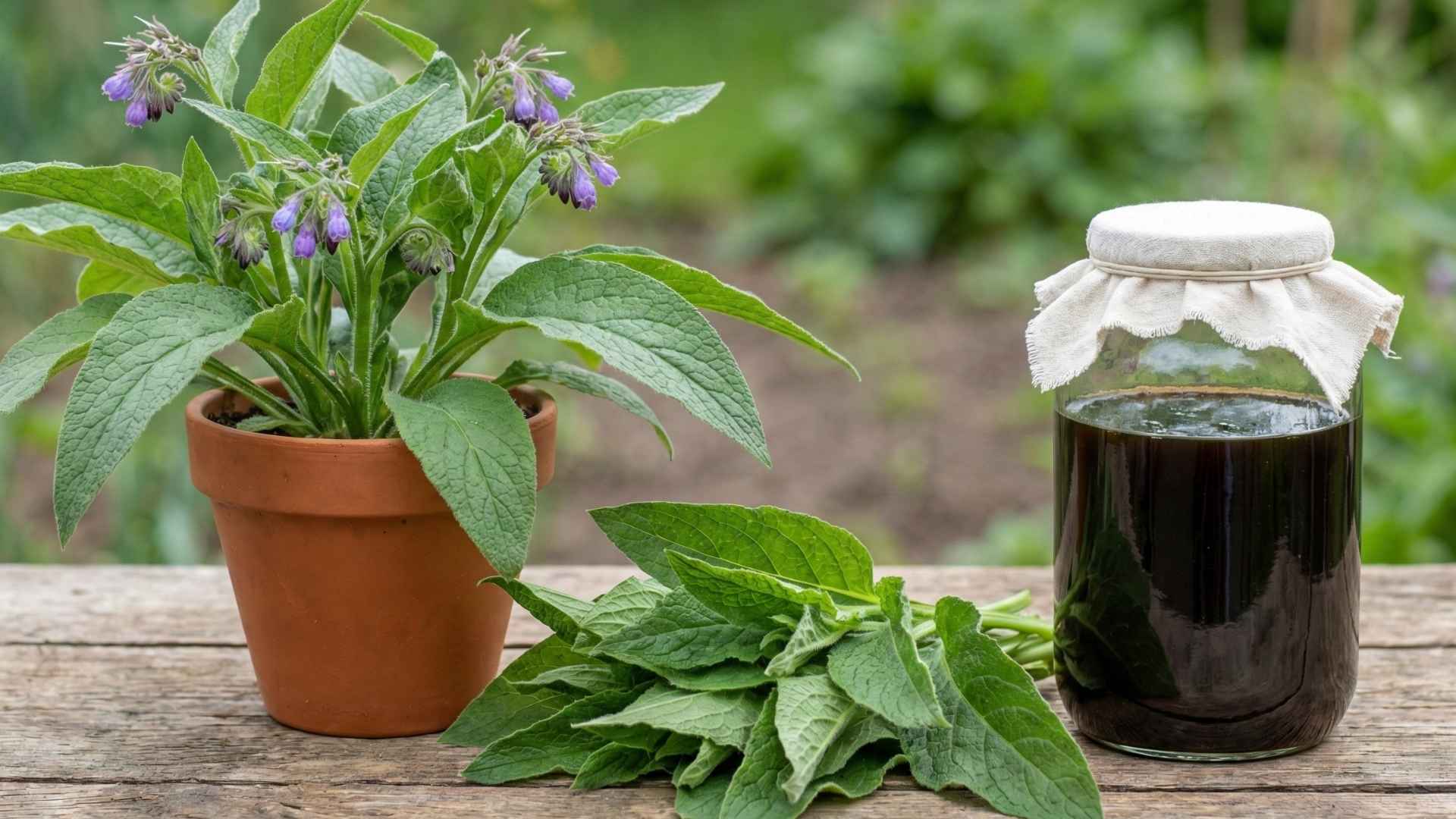
Russian Comfrey (Symphytum × uplandicum) is not just another green plant. It is a deep-rooted mineral pump, capable of extracting potassium, phosphorus, calcium, boron, and trace elements from soil layers unreachable by most crops. When fermented, these nutrients become immediately bioavailable.
This guide is a complete, professional reference on making and using comfrey fertilizer correctly — safely, effectively, and without mistakes that reduce yield or damage plants.
Part 1: Why Russian Comfrey Is a Fertilizer Powerhouse
Russian comfrey is fundamentally different from common compost plants.
Key biological advantages:
- Extremely high Potassium (K)
Essential for flowering, fruit set, sugar transport, flavor, and firmness. - Balanced Phosphorus (P)
Supports root development and reproductive growth. - Calcium & Boron
Critical for cell wall strength and prevention of blossom end rot. - Low Nitrogen content
Unlike nettles, comfrey does not force excessive leaf growth.
This makes comfrey fertilizer ideal for the fruiting phase, when nitrogen-heavy feeds would be harmful.
Part 2: When and Why to Use Comfrey Fertilizer
Russian comfrey fertilizer is not a general-purpose feed. It has specific, high-impact uses.
Best use cases:
- Flower initiation
- Fruit enlargement
- Improving taste and aroma
- Strengthening plant tissues
- Supporting late-season crops
Crops that benefit most:
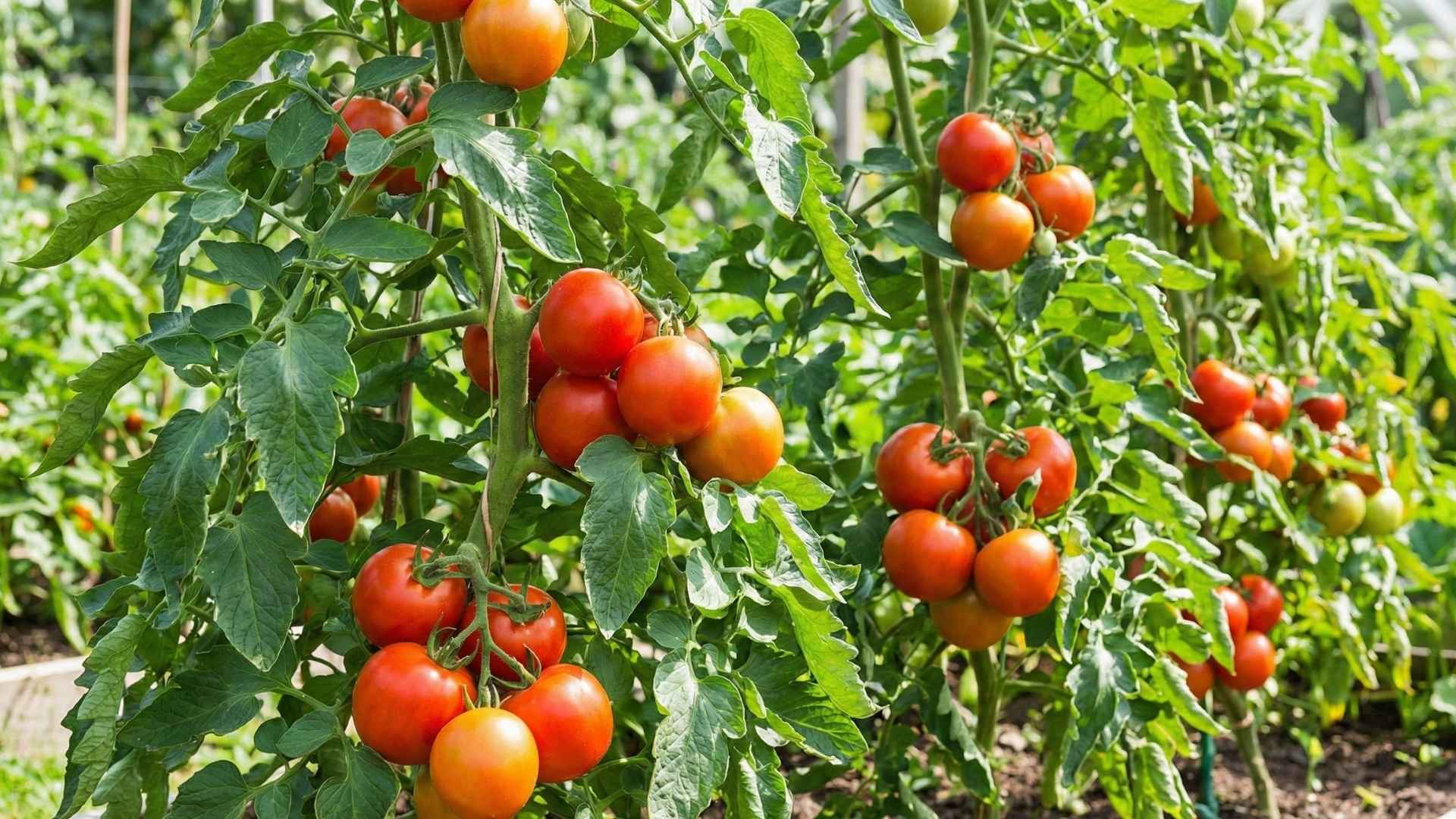
- Tomatoes
- Peppers
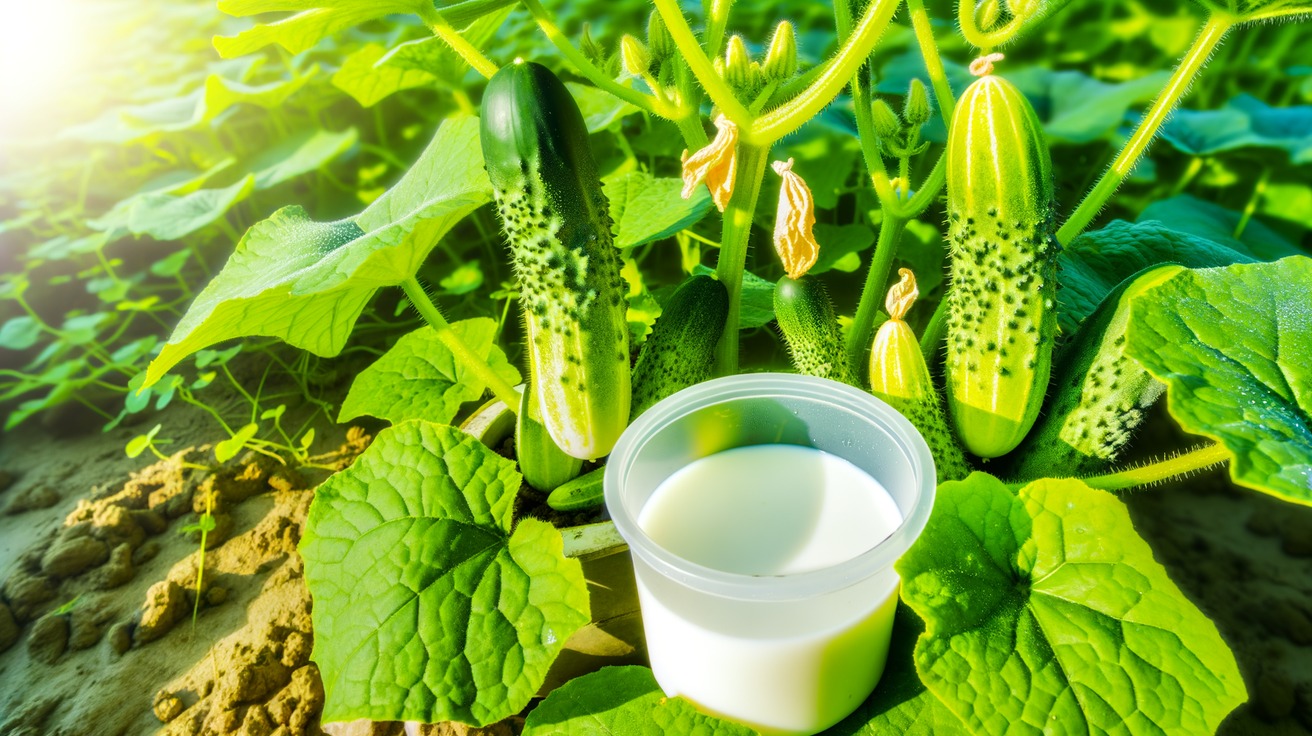
- Cucumbers
- Zucchini & squash
- Pumpkins
- Strawberries
- Fruit bushes
- Grapevines
- Flowering ornamentals (roses, dahlias)
Part 3: Harvesting Russian Comfrey (Critical Rules)
Correct plant selection:
- Use Russian comfrey only (Symphytum × uplandicum).
- It is sterile — it does not spread by seed.
- Avoid wild common comfrey unless you are experienced.
Harvest timing:
- First cut: just before flowering
- Subsequent cuts: every 4–6 weeks
- Leaves should be large, mature, and dark green
Safety:
- Wear gloves (leaf hairs can irritate skin)
- Never harvest from contaminated soil (roadsides, industrial zones)
Method 1: Classic Fermented Comfrey Tea (Liquid Manure)
Time required: 14–21 days
Strength: High
Smell: Extremely strong
Ingredients & Equipment:
- Fresh comfrey leaves
- Plastic barrel or bucket (no metal!)
- Rainwater
- Weight (stone/brick)
- Lid (not airtight)
Step-by-Step Process:
Step 1: Chop the Leaves
Cut leaves into smaller pieces to increase surface area.
Step 2: Fill the Container
Pack the container ¾ full with leaves — do not compress.
Step 3: Add Water
Cover completely with water. Submerge leaves fully.
Step 4: Fermentation
- Cover loosely
- Place in warm, shaded outdoor location
- Stir every 2–3 days
After 48 hours, intense fermentation begins.
Step 5: Completion
The fertilizer is ready when:
- Bubbling stops
- Liquid turns dark brown/black
- Leaves disintegrate
Step 6: Strain
Strain liquid and store in sealed containers.
Method 2: Waterless Comfrey Concentrate (Expert Technique)
Time required: 2–4 weeks
Strength: Extremely concentrated
Smell: Lower during production
How it works:
Comfrey leaves release liquid under their own weight.
Steps:
- Place chopped leaves in a barrel with drainage hole
- Compress heavily
- Collect dripping black liquid below
This produces a pure plant extract, requiring strong dilution.
Part 5: Dilution & Application (Absolutely Essential)
NEVER use comfrey fertilizer undiluted.
Root Feeding:
- Ratio: 1:10
- Frequency: Every 10–14 days
- Best timing: Before flowering and during fruit growth
Foliar Spray:
- Ratio: 1:20
- Apply: Evening only
- Purpose: Strengthening tissues, disease resistance
Part 6: What NOT to Use Comfrey Fertilizer On
| Plant Type | Suitability | Reason |
|---|---|---|
| Root vegetables | ❌ Avoid | Promotes leaf growth at expense of roots |
| Leafy greens | ⚠ Limited | Potassium-heavy nutrition not needed |
| Seedlings | ❌ Avoid | Too strong, risk of stress |
| Legumes | ❌ Avoid | Self-sufficient nitrogen cycle |
Part 7: Combining Comfrey with Other Fertilizers
Best combinations:
- Comfrey + Nettle → balanced NPK
- Comfrey + Wood Ash → potassium boost (use sparingly)
- Comfrey + Compost Tea → microbial diversity
Never mix with chemical fertilizers.
Part 8: Storage & Shelf Life
- Store in sealed plastic containers
- Keep cool and dark
- Shelf life: 6–12 months
- Shake before use
Part 9: Common Mistakes (Costly Errors)
- Using metal containers
- Overconcentration
- Feeding too late in season
- Applying during drought stress
- Using flowering comfrey only
Part 10: Extensive FAQ (15 Questions)
1. Why does comfrey fertilizer smell so strong?
Because anaerobic bacteria break down proteins into sulfur compounds.
2. Is Russian comfrey invasive?
No — it is sterile and spreads only by root division.
3. Can I use dried comfrey?
Yes. Use 200 g dried leaves per 10 liters of water.
4. When should I stop using it?
Stop by mid-August to prevent soft late growth.
5. Can it replace mineral potassium fertilizer?
Yes, for organic systems.
6. Is it safe for pollinators?
Yes, when applied correctly.
7. Can I pour it on soil only?
Soil application is preferred.
8. Does it burn roots?
Only if undiluted.
9. Can I compost the residue?
Yes — it accelerates composting.
10. Is it suitable for container plants?
Yes, with extra dilution (1:15).
11. Can I mix with nettle tea in same bucket?
Yes, but fermentation time changes.
12. Does it affect soil pH?
Neutral to slightly alkaline.
13. Can it help blossom end rot?
Yes — calcium and potassium support cell integrity.
14. Can I spray fruits directly?
Yes, but always diluted.
15. Is comfrey fertilizer better than manure?
For potassium supply — absolutely.
Discussion (0)
No comments yet. Be the first to start the conversation!
Leave a Reply