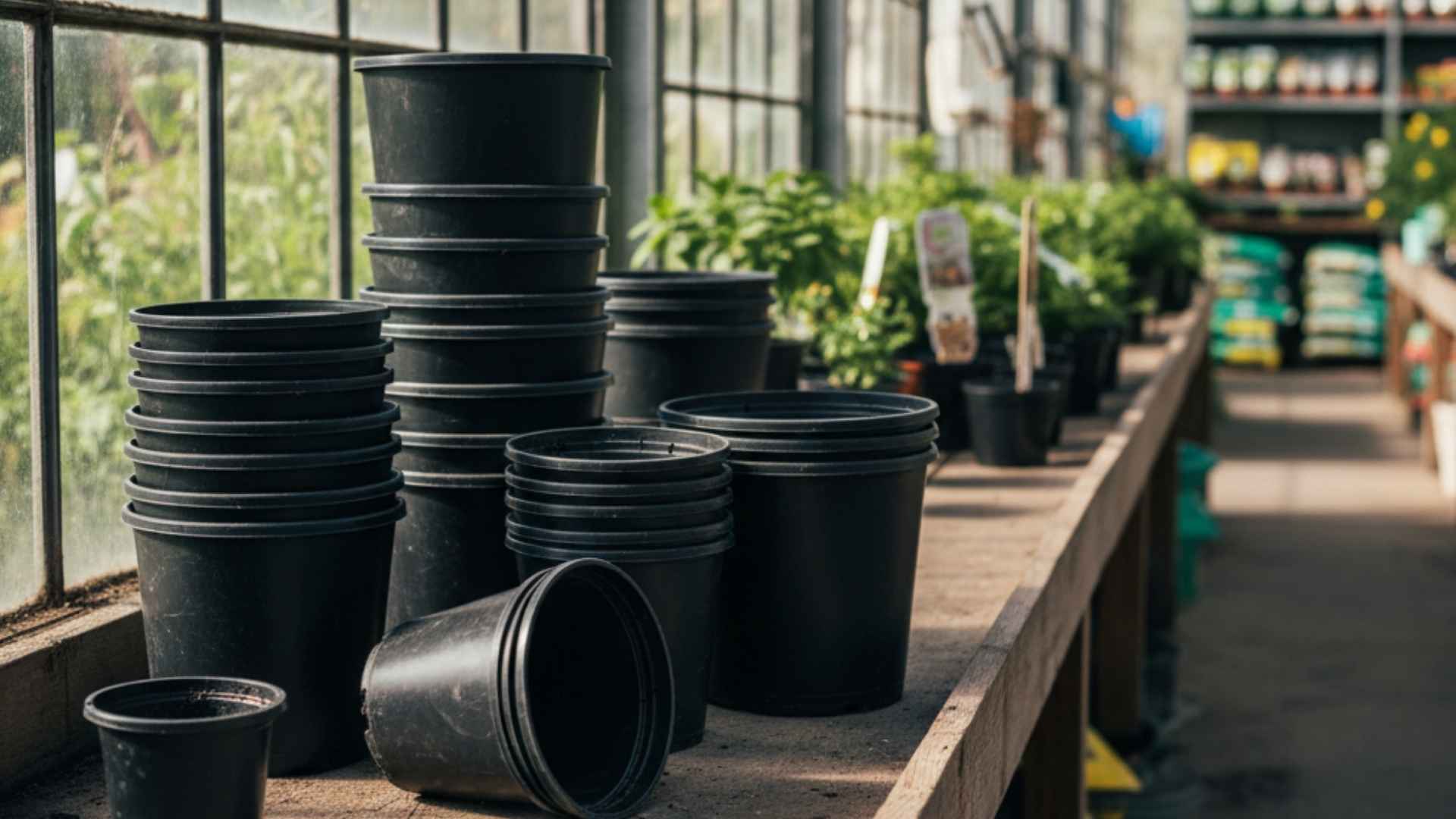
The gardening industry is facing one of its biggest shake-ups in decades. Reports and industry insiders are pointing to January 2026 as the start of a major transition driven by the European Union’s Packaging and Packaging Waste Regulation (PPWR). The target? The ubiquitous black plastic flower pot.
For years, these pots have been a symbol of convenience but also a significant contributor to plastic waste. Often made of non-recyclable materials or contaminated by soil, millions end up in landfills annually. The new EU directives aim to change this reality, pushing producers and retailers toward sustainable alternatives.
This article breaks down what is actually changing, the timeline for the ban, and how it will affect your gardening habits.
The Core Change: Plastic Pots as "Packaging"
Historically, plastic flower pots were often in a grey area regarding waste regulations. However, under the new interpretation of EU rules, pots sold with plants are increasingly classified as packaging rather than a durable product.
This classification is critical because packaging in the EU must meet strict recyclability criteria. Starting from 2030, all packaging on the EU market must be recyclable in an economically viable way. However, the pressures and national implementations begin as early as 2026, leading many suppliers to phase out traditional pots well ahead of the final deadline.
The goal is simple:
- Reduce single-use plastic waste.
- Force the industry to use recycled materials.
- Encourage the use of compostable or reusable systems.
Why January 2026 is the Date to Watch
While the full "ban" on non-recyclable packaging has a 2030 deadline, 2026 marks the beginning of strict reporting and recycling targets for member states.
From this date:
- Producers will face higher fees for using hard-to-recycle plastics.
- Large garden centers may stop accepting non-compliant pots from growers.
- We will see a rapid disappearance of the classic, brittle black plastic pots (which are often undetectable by recycling sorting machines due to their carbon black pigment).
By getting ahead of the 2030 deadline, the industry is effectively banning the old-style pots starting in 2026.
What Will Replace the Plastic Pot?
The transition is already visible in many garden centers. Three main alternatives are emerging to take the place of virgin plastic.
1. Taupe and Grey Recyclable Pots
You may have noticed pots that are no longer black but a dull taupe, grey, or blue. These are made from Detectible Post-Consumer Recycled (PCR) plastic. Unlike carbon black pots, these can be identified by recycling scanners and processed into new products. They are the most likely immediate replacement.
2. Biodegradable and Compostable Pots
For smaller plants and seedlings, materials like coir (coconut fiber), wood pulp, and rice hulls are becoming standard.
- Pros: No waste; the pot can be planted directly into the ground.
- Cons: Shorter shelf life; they can degrade if kept wet for too long at the nursery.
3. The "Pot-Free" or Returnable System
Some nurseries are moving to a system where plants are grown in reusable heavy-duty trays. At the checkout, the plant is popped out of its tray and wrapped in paper or placed in a cardboard carrier, while the tray returns to the grower to be washed and reused.
How This Affects You as a Gardener
The shift is overwhelmingly positive for the environment, but it requires some adaptation from gardeners.
- Price Adjustments: Sustainable packaging often costs more to produce. Expect a small increase in plant prices, or a deposit system for reusable trays.
- Handling Changes: Fibre pots can be more fragile when wet. You’ll need to handle them with care during transport.
- Planting Habits: With compostable pots, you skip the step of removing the plant. However, you must ensure the rim of the pot is buried, or it will wick moisture away from the roots.
Preparing for a Plastic-Free Garden
You can start adapting your gardening practices now, ahead of the regulations.
- Reuse What You Have: Don't throw away your existing plastic pots. Wash and reuse them for propagation as long as they last.
- Learn to Recycle Correctly: Check your local guidelines. Most black pots currently go in general waste, but the new taupe ones can often go in recycling bins (clean them first!).
- Support Eco-Friendly Nurseries: Buy from growers who have already made the switch. This sends a market signal that consumers value sustainability.
FAQ – The EU Plastic Pot Ban
1. Is it illegal to own plastic pots after 2026? No. The regulations apply to the sale and packaging of plants. You can keep and use the pots you already have.
2. Why are black plastic pots being singled out? Most black plastic contains carbon black pigment, which absorbs the infrared light used by recycling sorting machines. This makes them invisible to sorters, so they end up as waste even if the plastic type is theoretically recyclable.
3. Will plants become more expensive? Likely yes, at least initially. Alternative materials and recycling levies add costs to production, which may be passed on to the consumer.
4. Can I put biodegradable pots in my home compost? It depends on the material. Coir and paper pots are usually home compostable. Some bioplastics require industrial composting temperatures—always check the label.
5. What happens to the plastic trays used for transport? These are also considered packaging. The industry is moving toward standardized, returnable trays that circulate between growers and retailers, similar to pallets.
Discussion (0)
No comments yet. Be the first to start the conversation!
Leave a Reply