Unlock Your Garden’s Potential: Discover the World’s Fastest-Growing Trees!
Imagine stepping into your garden and feeling the gentle rustle of leaves overhead, or the pleasant whisper of a breeze through the branches. Creating this lush escape doesn’t have to take a lifetime. In fact, with a little guidance, you can achieve a verdant oasis faster than you might think. The secret? Fast-growing trees. Whether you’re looking to create shade, establish a windbreak, or simply add a verdant touch to your yard, fast-growing trees are the way to go. So, let’s embark on a journey through the world’s fastest-growing trees and unleash your garden’s untapped potential.
The Magic of Fast-Growing Trees
Fast-growing trees offer more than just rapid growth. They bring life and vibrancy to your garden. These trees not only provide quick coverage and shade but also offer ecological benefits, such as improved air quality, habitat for wildlife, and erosion control. Moreover, they can add aesthetic value and privacy in remarkably short periods. Let’s explore the top contenders that are known for their swift vertical journeys across landscapes around the globe.
Silver Maple (Acer saccharinum)
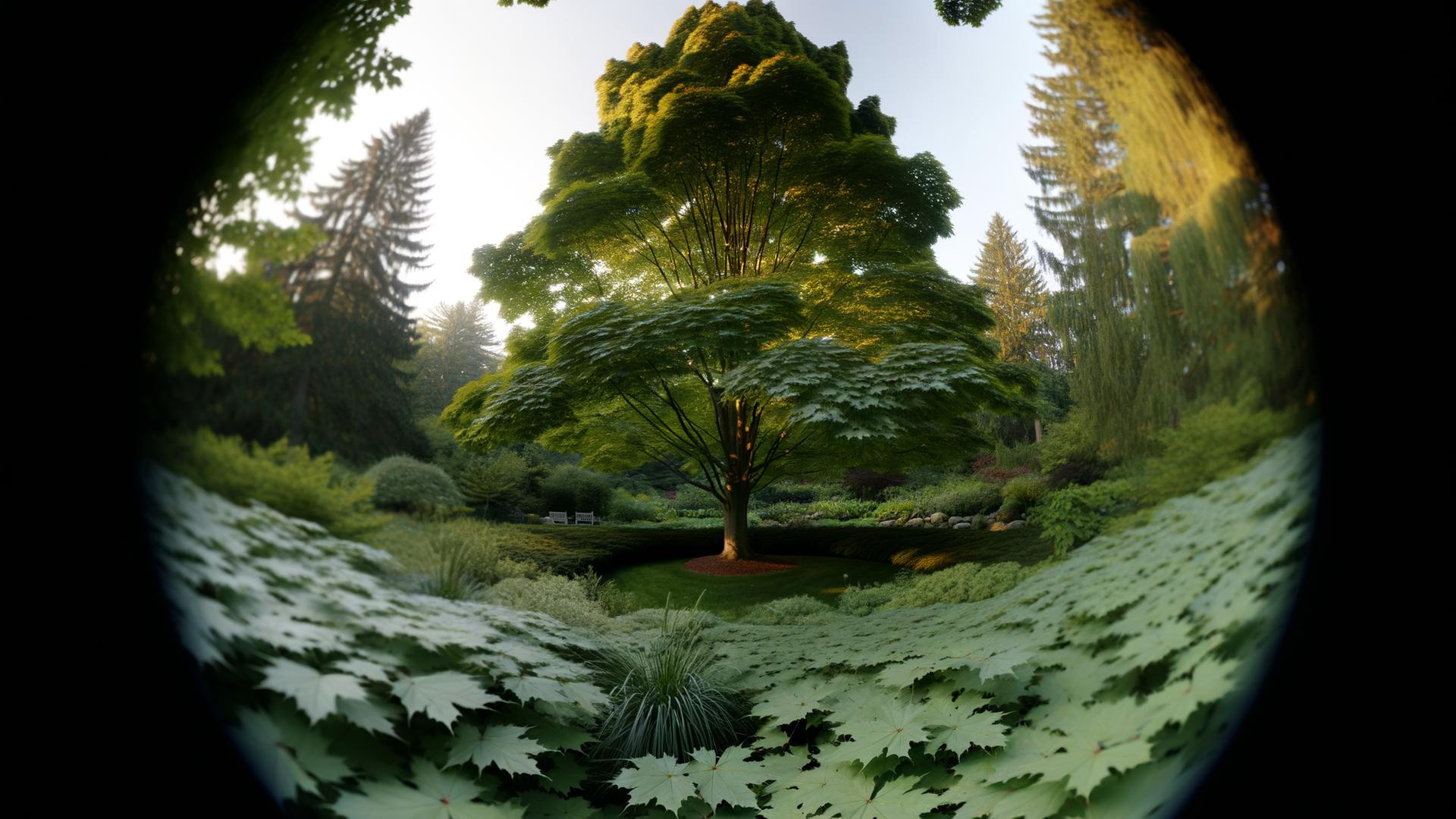
Meet the silver maple, a dazzling spectacle that brings grandeur to any landscape. Native to eastern North America, the silver maple can grow extraordinary heights of up to 80 feet and can add 2 feet or more to its height each year under optimal conditions. Its leaves with silvery undersides shimmer in the breeze, providing a picturesque scene and a cool respite from summer heat.
Caring for Your Silver Maple
Silver maples prefer moist, well-drained soils but can tolerate various soil types, including those that are acidic or alkaline. They flourish in full sun or light shade and are resilient enough to withstand flooding or drought conditions once established. It's important to be mindful that although their rapid growth is a boon, silver maples can have brittle branches prone to storm damage and are less suited for high-traffic areas near structures.
Hybrid Poplar
The hybrid poplar is like the hare in the race of tree growth, leaving others in the dust with its explosive expansion. Able to grow as much as 5-8 feet per year, hybrid poplars are perfect candidates for those seeking a windbreak or privacy screen in the blink of an eye.
Hybrid Poplar Care Guidelines
These trees prefer full sun and enjoy rich, well-drained soil, although they are fairly adaptable. One thing to watch with hybrid poplars is their propensity to develop problematic roots that can interfere with pipes or sidewalks. Prudent placement away from infrastructures and regular pruning can help mitigate these issues.
Eucalyptus
Transport yourself to the land down under with the enchanting, aromatic eucalyptus. Known for its swift growth rate and towering statuesque form, eucalyptus can climb up to 10 feet each year. These evergreen trees are not only fast-growing but also evergreen, offering year-round beauty and fragrance.
Growing Your Own Eucalyptus
Eucalyptus trees thrive in areas with abundant sunlight. They can do well in a wide range of soil types but prefer soils with good drainage. Given their rapid growth, regular pruning ensures their shape and height is kept in check. Keep in mind their immense water needs during the early stages, tapering as they establish.
Weeping Willow (Salix babylonica)
The whimsical weeping willow, with its cascading branches, conjures images of tranquil waterways and poetic reflections. With a growth rate of up to 8 feet per year, it’s a fast favorite for gardens seeking both shade and romance.
Tips for Weeping Willow Success
These trees adore moist soil and will flourish when planted near a water source. However, they are hardy and can tolerate different soil conditions. Regular pruning can prevent disease and maintain their iconic, graceful shape. A word of caution—like hybrid poplars, their roots are expansive and can intrude on underground pipes or foundations.
Paulownia (Empress Tree)
Paulownia, also known as the Empress Tree, reigns as one of the fastest-growing deciduous trees in the world, growing over 6 feet in a single year. Established as an elegant solution to creating quick shade, its large leaves and showy, fragrant blooms are a gardener’s delight.
Caring for Paulownia Trees
Thriving in well-drained, sandy soils, Paulownias are at their best in full sun. While they can handle various conditions, care should be taken to avoid heavy, clayey soils, which can stunt their spectacular growth. Additionally, they require regular watering during their initial establishment phase.
Lombardy Poplar
In search of an architectural element? The Lombardy poplar, with its strikingly fastigiate (column-like) form, climbs rapidly into the skies at a rate of up to 6 feet annually. It forms dramatic alleys or tall, striking screens.
Ensuring Lombardy Poplar Prosperity
These poplars enjoy full sunlight and prefer moist, well-drained soils. Vigorous pruning can prevent lower foliage loss and helps maintain the columnar shape that makes them so desirable. However, be prepared for potential pest issues and perhaps a shorter life span compared to other trees.
Murray Red Spotted Gum
Australia gifts us again with the Murray red spotted gum tree, sought not just for its aesthetics but its unparalleled growth rate of 4-6 feet a year. It’s a hardy choice for anyone wanting to introduce an element of exotic charm.
Nurturing Your Murray Red Spotted Gum
These eucalyptus relatives are best suited for warm climates. A deep, well-draining soil amalgamated with regular watering provides an excellent foundation. Yet, once matured, they are notably drought-tolerant. Regular pruning will help to manage size and ensure health.
Royal Empress Tree (Paulownia tomentosa)
A cousin to the Paulownia, the Royal Empress is celebrated for its velvet-textured leaves and breathtakingly rapid growth spurts, easily achieving 8-10 feet of growth per year under ideal conditions.
How to Grow a Royal Empress Tree
These trees favor well-drained, loamy soils, and ample sunshine, but are tolerant to a range of soils. Their speedy growth demands regular waterings when young, transitioning to a more relaxed regime as they stabilize. As with their relatives, spacing them appropriately is crucial due to their broad spread.
Catalpa (Catalpa speciosa)
Embrace the fairy-tale aesthetics of catalpa trees with their abundant blossoms and large, heart-shaped leaves. Growing up to 3 feet a year, catalpa is both a landscaper’s choice for shapeliness and gardeners’ choice for natural beauty.
Caring for Your Catalpa
Catalpas are surprisingly hardy and grow well in various soil types as long as they have good drainage and ample sunlight. They require little in the way of pruning unless shaping is particularly desired. Their resistance to pests and diseases makes them easy keepers.
Green Giant Arborvitae
For those eager to craft a living wall, the Green Giant Arborvitae delivers with its rapid 3 feet per year ascension. This evergreen gem offers privacy and noise reduction all year round.
Growing Green Giant Arborvitae
These trees require full sun to partial shade and are adaptable to different soils, provided there is adequate drainage. Minimal pruning is needed to maintain their shape, making them an excellent low-maintenance choice for backdrop greenery.
Unlocking Your Garden’s Potential
Fast-growing trees hold the key to transforming your garden within a fraction of the time it typically takes. However, like other garden investments, they require attention and care to thrive. Understanding the specific needs and characteristics of each tree can ensure you not only enjoy their swift ascension but also keep a harmonious garden environment.
Given the speed at which these trees expand their canopies, it’s imperative to plan thoughtfully regarding their placement, recognizing the space they will eventually envelop. Additionally, occasional pruning and monitoring for pests will ensure these towering additions remain healthy and robust for years to come.
Transitioning from the bare beginnings of a garden to a luscious landscape can be a reality within just a few seasons. Embrace the vibrancy and energy of fast-growing trees, and watch as your garden transforms into an inspiring sanctuary.
Frequently Asked Questions
-
What are the benefits of planting fast-growing trees in my yard? Fast-growing trees provide quick shade, privacy, windbreaks, and aesthetic beauty. They boost air quality, support wildlife habitats, and can help prevent soil erosion.
-
How quickly can I expect results from planting a fast-growing tree? Many fast-growing trees can achieve several feet of growth per year, leading to significant visual impact within just a few years.
-
Are fast-growing trees suitable for small gardens? While they can be impressive, some fast-growing trees can spread significantly. Consider dwarf varieties or appropriate spacing to suit smaller gardens.
-
Do fast-growing trees have shorter lifespans? Generally, yes. Rapid growth can sometimes correlate with shorter life spans compared to slower-growing species, though choices like the Green Giant Arborvitae have commendable longevity.
-
Can I plant fast-growing trees close to my house? It’s essential to account for root spread and mature size when planting near structures. Consult with a professional for safe distance recommendations.
-
What is the best soil type for fast-growing trees? Most fast-growing trees prefer well-drained, loamy soils, though adaptability varies with species—many can still thrive in less ideal conditions.
-
Do fast-growing trees require a lot of maintenance? Initial establishment requires consistency in watering and occasional pruning. Once established, many fast growers are resilient and low maintenance.
-
Are fast-growing trees more susceptible to wind damage? Some species, like the silver maple, can have brittle wood that might be prone to storm damage. Selecting wind-resistant species can mitigate this risk.
-
What kind of pests affect fast-growing trees? Fast-growing trees can be susceptible to various pests depending on species and region. Regular monitoring and early intervention can help manage pest issues effectively.
-
Can fast-growing trees handle cold climates? Certain species like the hybrid poplar are cold-hardy and can thrive in cooler climates, while others may require milder conditions.
Discussion (0)
No comments yet. Be the first to start the conversation!
Leave a Reply