

A Personal Orchid Odyssey
When I first began my journey with orchids, I might as well have been setting sail in uncharted waters. My mother gave me my first orchid—a majestic Phalaenopsis with delicate, buttery-white petals dotted with pink. It was a symbol of her love and an invitation to explore a new world. Little did I know that this gift would ignite a passion for these enigmatic beauties.
At first, the task seemed daunting. Orchids are finicky, I was told, and their blooms were elusive. But I was determined. Every day, I meticulously watered, repotted, and researched, my heart set on unlocking nature's secrets. The moment my orchid finally bloomed again, my joy was boundless. It was not just a flower; it was the fruit of patience and perseverance—a testament to the wonders of resilience in my own life. Today, I guide others down the same path, sharing the secrets to year-round blooms.
Understanding Orchid Basics
To begin harnessing the magic of year-round orchid blooms, it's essential to understand these fascinating plants.
Orchid Diversity
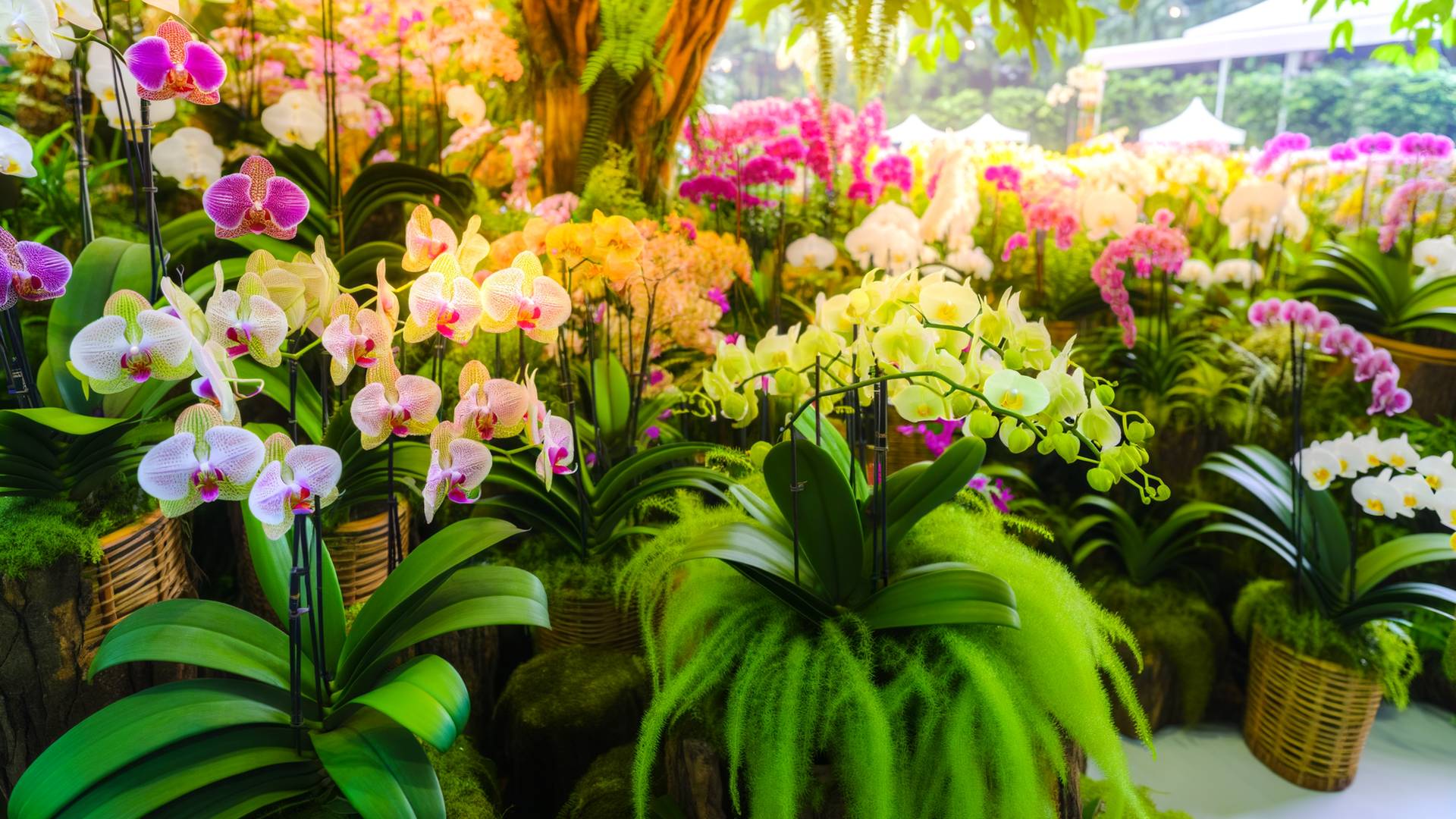
The world of orchids is vast, with over 25,000 species. Ranging from the popular Phalaenopsis to exotic Cattleyas and highly prized Vandas, each orchid possesses a unique charm. While their care requirements can overlap, taking the time to learn the specifics can dramatically impact your success.
Growth Habit
Orchids break from traditional gardening norms. Most are epiphytes, meaning they grow on other plants, absorbing moisture and nutrients from the air and rain. They thrive in well-draining environments, preferring to have their roots wrapped in a coarse mix rather than tucked snugly in soil.
Essential Orchid Care Tips
Unlocking year-round blooms requires a commitment to understanding and catering to their specific needs.
Light and Location
Light is one of the critical factors in ensuring health and bloom. Orchids flourish in bright, indirect light. Eastern-facing windows are a favorite, as they offer gentle morning sunlight. For south or west-facing exposures, use sheer curtains to diffuse direct rays that could scorch leaves.
Watering Wisely
**Orchids demand a delicate balance in watering. They thrive on consistency but can fall prey to root rot if overwatered. Water when the potting medium feels dry to the touch—typically once a week. Always use tepid water and let excess drain away.
Feeding for Blooms
Regular feeding encourages vibrant flowers. Utilize a balanced orchid fertilizer bi-weekly during active growth periods, transitioning to monthly applications in the fall and winter when growth slows.
Temperature and Humidity
Orchids adore tropical conditions. Maintain temperatures between 65-75°F (18-24°C) during the day and 60-65°F (16-18°C) at night. Humidity should sit around 50-70%. Introducing a humidity tray or a room humidifier can provide the boost they need when ambient air is too dry.
Repotting Responsibilities
To sustain healthy growth, orchids benefit from being repotted every 1-2 years, preferably post-bloom. Use a fresh mix of bark, perlite, or sphagnum moss, and choose a pot that permits adequate drainage.
Overcoming Common Orchid Challenges
Every gardener faces trials, but each challenge is an opportunity for growth.
Tackling Pests
Pests can hinder orchid health. Watch for common invaders such as aphids, spider mites, and mealybugs. A mild insecticidal soap or natural remedy like neem oil can effectively combat infestations.
Preventing Fungal Woes
Fungal infections often stem from excessive moisture. Ensure proper airflow around your orchids and avoid watering the leaves. If fungi appear, trim affected leaves and apply a fungicide as necessary.
Dealing with Drought Stress
Drought conditions can stunt orchid vitality. Monitor humidity levels and consider using humidity trays or grouping plants to increase ambient moisture naturally.
Encouraging Repeat Blooms
Successfully coaxing repeat blooms is an orchid owner’s delight.
Rest and Recovery
After blooming, give your orchid a rest period with reduced watering and feeding. Protect it from drastic temperature changes.
Stimulating Bloom Spikes
Some orchids respond positively to temperature dips, which can stimulate bloom spikes. Slightly lowering nighttime temperatures by 10-15°F can trigger this response.
Continued Care for Extended Blooms
Keep an eye on extending bloom longevity by maintaining a stable environment without drastic fluctuations in temperature, humidity, or light. Orchids, when happy, will often reward you with blooms that can last for months.
FAQs: Practical Answers to Orchid Care Queries
-
How often should I water my orchid?
Water once a week, allowing the medium to dry out between waterings.
-
What do yellow leaves indicate?
Yellowing can signal overwatering or insufficient light.
-
Why are my orchid's buds dropping?
Bud drop may result from sudden changes in environment or temperature.
-
Can I grow orchids outside?
Orchids can be grown outdoors in climates that mimic their native tropical environment.
-
How should I prune my orchid post-bloom?
Trim the flower spike an inch above the node closest to the plant’s base.
-
When should I repot my orchid?
Every 1-2 years, or when the potting medium decomposes.
-
Why isn't my orchid blooming?
Often due to inadequate light, improper feeding, or lack of rest period post-bloom.
-
Is misting orchids beneficial?
Misting can temporarily raise humidity but is less effective than using a humidity tray.
-
What type of pot should I use?
Use a pot with drainage holes to prevent waterlogging.
-
How do I know if my orchid is happy?
Healthy green roots and leaves, alongside regular blooming, indicate happiness.
Discussion (0)
No comments yet. Be the first to start the conversation!
Leave a Reply