Ultimate Guide to Spraying Fruit Trees: When to Protect Your Orchard!
Once upon a time, there was a young gardener named Lily. She had always dreamed of having her own orchard, a place where the sweet scent of apple blossoms danced on the spring breeze and juicy peaches glistened under the summer sun. Lily's little patch of paradise was her pride and joy, but it wasn’t long before she faced the sobering reality of tending to a fruit orchard. Pests, diseases, and unpredictable weather threatened her dream, but Lily was determined to learn the art of protection through spraying her fruit trees at precisely the right times.
This is her story, and it might just become yours if you’re ready to cultivate a thriving fruit orchard. Join us as we unravel the secrets of shielding your orchard from harm without compromising its natural beauty.
Understanding the Basics
Spraying fruit trees isn’t just about keeping pests and diseases at bay. It’s about ensuring the health of your trees and the quality of the fruit they bear. From understanding which sprays to use and when, to learning how to apply them safely, here’s everything you need to know.
The Life Cycle of Fruit Trees
Fruit trees go through various growth stages, each bringing different challenges. Knowing these stages helps you determine critical spraying times:
- Dormancy - This is the quiet phase during winter when trees rest and save energy.
- Bud Break/Spring Bloom - As temperatures rise, trees awaken, and buds begin to swell and break.
- Fruit Set - Pollinated flowers develop into young fruit; protection from insects and diseases is crucial.
- Fruit Development - Fruits mature, requiring consistent care to prevent infestations and fungal attacks.
- Post-Harvest - Even after picking, trees need attention to prepare them for winter dormancy.
Why Spraying is Essential
Regularly spraying your trees ensures they remain free of harmful insects and diseases that can debilitate or even kill the tree. Spraying helps in:
- Preventing diseases like blights, mildews, and rusts.
- Controlling insect populations, such as aphids, moths, and borers.
- Enhancing fruit quality by reducing blemishes and promoting healthier growth.
Timing Your Sprays
Timing is everything when it comes to spraying. Applying treatments too early or too late can reduce effectiveness or even harm the tree and its environment.
Spraying During Dormancy
In winter, apply dormant oils to suffocate overwintering insects and their eggs. This early intervention sets the stage for a healthier growing season.
Spring Vigilance: Bud Break to Bloom
As buds break, it's critical to control fungal infections like apple scab and peach leaf curl. Fungicides are your go-to defenses here, safeguarding the tenderness of new blossoms.
Protecting During Fruit Set
Once fruits start setting, a combination of insecticides and fungicides might be necessary. This ensures that both pests and diseases are kept at bay during this vulnerable stage.
Sustained Care Through Development
Keep an eye on your fruit trees, applying additional sprays as needed throughout their development. This strategic intervention will combat rising pest populations and the onset of diseases.
After Harvest Care
Post-harvest sprays prepare trees for dormancy, reducing the survival rate of overwintering insects and fungi. Both copper-based fungicides and dormant oils can serve in this process.
Safe and Effective Spraying Techniques
Selecting the Right Spray
Choosing the right spray is crucial. Organic options like neem oil or sulfur sprays benefit those aiming to minimize chemical residues. Conversely, synthetic sprays often offer broader protection—it's all about balancing preferences and needs.
Equipment and Safety
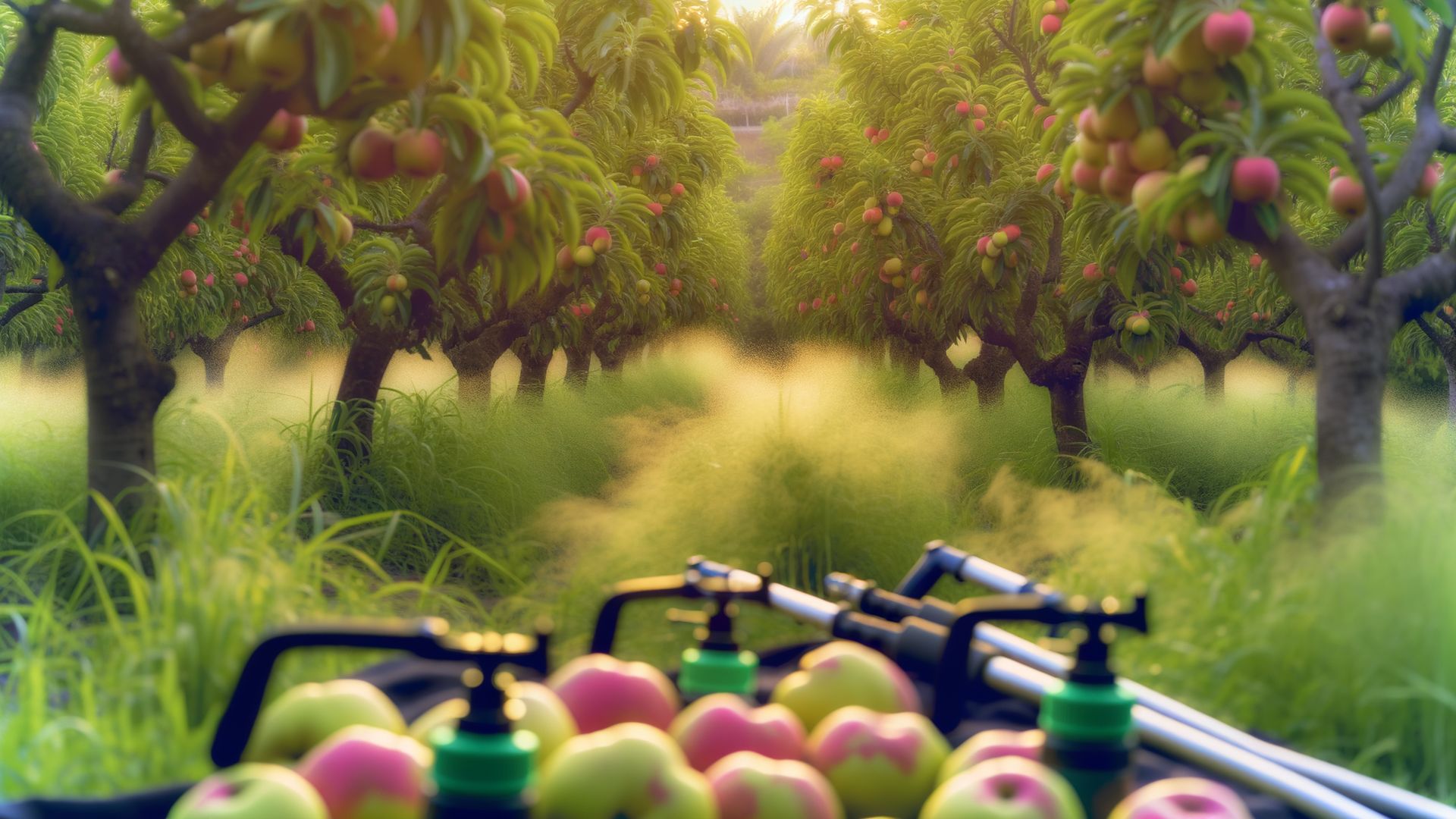
Proper tools ensure thorough coverage and personal safety. Use a backpack or hand-held sprayer, depending on the scale of your orchard, and always wear protective gear, including gloves and goggles.
Application Tips
- Weather matters: Apply sprays during calm, dry weather to prevent drift and ensure maximum adherence.
- Even coverage: Ensure both leaves and fruit are thoroughly coated for effective protection.
- Follow instructions: Always follow the manufacturer's guidelines to avoid overuse or ineffectiveness.
Avoiding Common Mistakes
- Over-spraying: More is not necessarily better and can lead to chemical resistance and environmental harm.
- Neglecting clean-up: Always rinse equipment thoroughly after use to prevent cross-contamination.
FAQs
What is the best time of year to spray fruit trees?
The best time to spray fruit trees depends on the specific pest or disease being targeted; however, typically, dormancy, bud break, and fruit set are critical periods.
Can I spray fruit trees in the rain?
No, spraying in the rain is ineffective as the rain can wash away the product before it has a chance to be absorbed.
How do I know which spray to use?
Identify the specific pest or disease affecting your trees, and select a spray formulated to combat it. Consult local extension services if unsure.
How often should I spray fruit trees?
Frequency varies by product and problem. Always follow the label instructions, usually every 10-14 days during critical periods.
Can I eat the fruit after spraying?
Yes, but adhere to the harvest interval or waiting period noted on the product label to ensure chemical residues have dissipated.
Do I need to spray all fruit trees?
Not all fruit trees require regular spraying. Consider the specific vulnerabilities of each tree type before deciding on a spraying regimen.
Is organic spraying effective?
Yes, organic options like neem oil can be effective, especially when applied consistently and as part of a broader integrated pest management strategy.
Can I combine sprays?
Some sprays can be combined, but others may react negatively with each other. Check labels for compatibility or consult with a horticultural expert.
What if I miss a spray?
Missing a spray is not ideal but not catastrophic. Resume the spraying schedule as soon as possible to minimize potential damage.
How do I dispose of leftover spray?
Follow local regulations for hazardous waste disposal. Never pour leftovers down drains or discard them irresponsibly.
Conclusion
Gardening, much like life, is a journey paved with learning experiences. For Lily, perfecting the art of spraying her fruit trees transformed her orchard into the bountiful haven she once only dreamed of. Whether you're a seasoned gardener or embarking on your first orchard, timing your sprays and selecting the right treatments are keys to success. With diligence and care, you, too, can protect your orchard and relish the sweet rewards of your hard work.
Discussion (0)
No comments yet. Be the first to start the conversation!
Leave a Reply