Discovering the 7 Pot Bubble Gum Pepper
The world of peppers is as vast as it is vibrant, bursting with colors and flavors that can transform any dish into an extraordinary experience. Among the array of chili peppers lies an intriguing variety known for its unique characteristics and fiery heat: the 7 Pot Bubble Gum Pepper. This pepper isn’t just about fire; it's about a visual and gustatory journey that connects you intimately with the plant's evolving charm.
The Origin and Characteristics
The 7 Pot Bubble Gum Pepper originates from Trinidad, a tropically vibrant island known for its rich and tangy spices. In the world of peppers, Trinidad is a treasure trove of spicy surprises, and the 7 Pot Bubble Gum is no exception. Named for its alleged ability to spice up seven pots of stew with a single pepper, this habanero-relative is a notable cultivar among gardeners and chili enthusiasts.
Unveiling the Unique Look
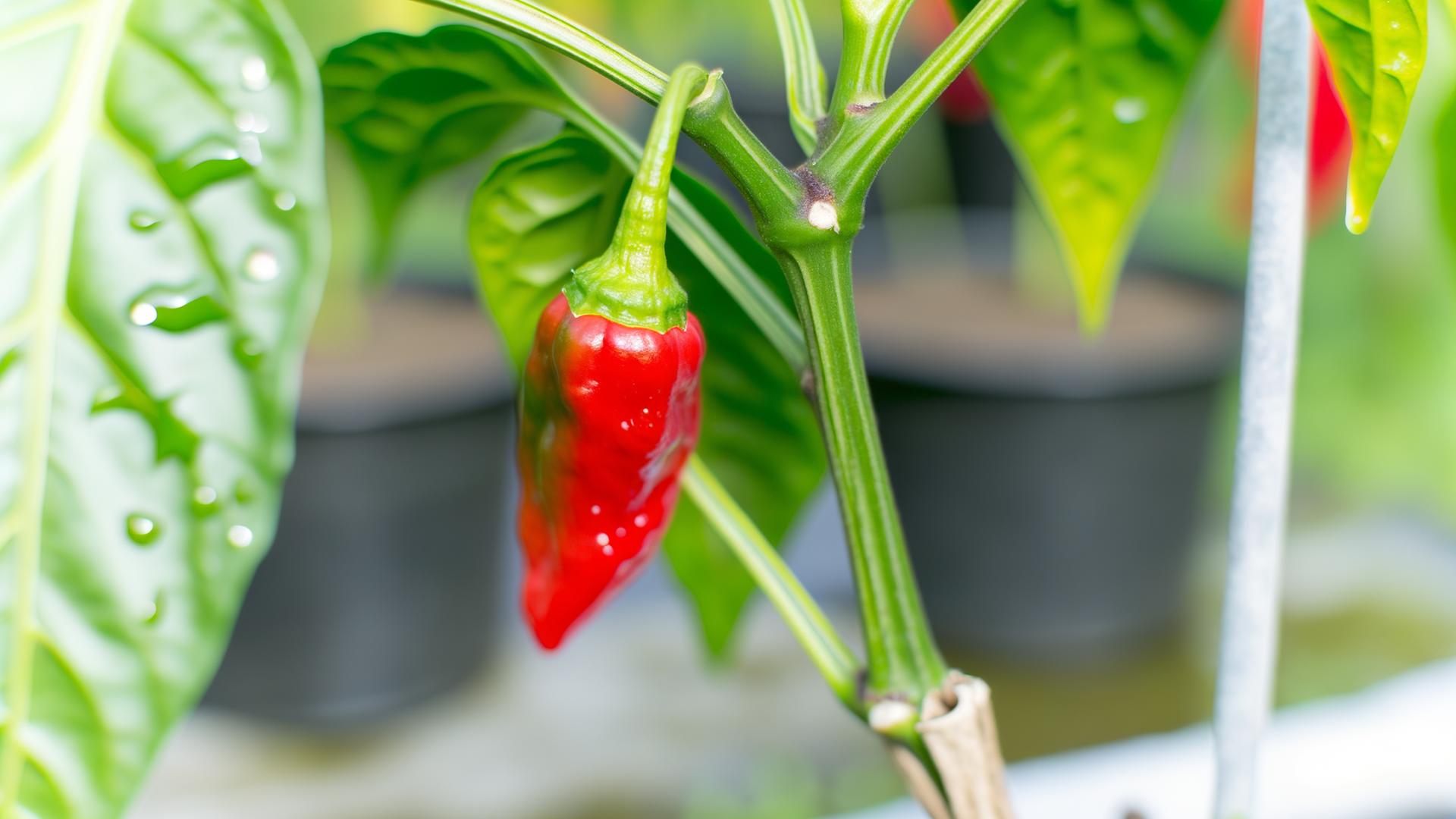
What truly sets the 7 Pot Bubble Gum Pepper apart is its striking similarity in color from pod to stem. As the pepper matures, not only do the pods turn from green to a vivid red, but the color extends up the calyx and spills onto the stems, creating a bubble gum effect. This red transition is a signature sign that you're dealing with a true Bubble Gum Pepper. These bright botanical adornments can bring striking visual interest to your garden, making it as beautiful as it is productive.
Taste and Spice Profile
On the Scoville Scale, the 7 Pot Bubble Gum ranges between 800,000 to 1,000,000 SHU, comparable to some of the hottest peppers around. Its flavor profile is rich and fruity, which can add both spice and a hint of sweetness to culinary creations. Despite the fierce heat, the initial taste is somewhat smooth, offering an intriguing juxtaposition of sweet and scorching.
Essential Growing Requirements
Growing the 7 Pot Bubble Gum Pepper can be an exhilarating gardening adventure. Though starting seeds can be challenging, with patience and care, you can nurture these fiery fruits from soil to table.
Ideal Climate Conditions
As a tropical plant, the 7 Pot Bubble Gum thrives in warm environments. It requires plenty of daylight, typically 12 to 16 hours a day, making it an ideal summer crop in temperate climates or a great candidate for a greenhouse. Ensure day temperatures hover between 75°F to 90°F to mimic its native climate.
Soil Preferences
This pepper prefers well-draining soil with a pH between 6.0 and 7.0. Rich in organic matter, the soil should remain consistently moist but never waterlogged, as soggy conditions can lead to root rot. Consider incorporating compost or a balanced granular fertilizer to boost the soil's nutrient content, promoting vigorous growth.
Watering Needs
While it’s crucial to maintain consistent moisture, overwatering should be carefully avoided. Aim to water deeply but infrequently, allowing the soil to dry out slightly between sessions. This encourages deeper root growth, which is vital for sustaining the plant through hotter, drier periods.
Cultivating Your 7 Pot Bubble Gum Pepper
Germination and Early Growth
-
Seed Starting: Begin by planting the seeds indoors 8-10 weeks before the last expected frost. Use seed trays or small pots filled with a starting mix designed for peppers. Place them in a warm location, maintaining a soil temperature between 80°F to 85°F to encourage germination.
-
Light and Heat: As soon as the seedlings emerge, provide ample light. Consider using grow lights to supplement natural sunlight. Peppers need intense lighting to avoid leggy, fragile growth.
-
Transplanting: Once the seedlings have at least two sets of true leaves, they’re ready for larger pots or to be hardened off for outdoor planting. Use this time to gradually acclimate them to outdoor conditions in preparation for transplanting into the ground or larger containers.
Supporting Growth
-
Spacing and Planting: When transplanting, space plants at least 18 inches apart. This ensures good air circulation, reducing the likelihood of diseases such as mildew or mold.
-
Pruning: Prune lower leaves that are touching the soil and any non-productive branches. This aids in air circulation and allows the plant to focus energy on fruiting.
-
Pollination: While these plants are self-pollinating, a gentle breeze or a daily shake can help improve fruit set.
Harvesting the Fruit
-
Timing: The peppers are ready to harvest when they've reached their mature color and the calyx has also turned red. This process usually takes about 110 to 120 days from the time of seeding.
-
Handling: Use gloves when harvesting to prevent any skin irritation from the capsaicin. Cutting the fruits rather than pulling them from the plant can also help avoid damage.
Dealing with Pests and Diseases
Maintaining healthy plants means safeguarding them from common pests like aphids, spider mites, and whiteflies. Use organic insecticidal soap or neem oil as a preventive treatment. Additionally, practicing good gardening hygiene and crop rotation can fend off diseases.
Overwintering
To extend your plant’s life beyond the growing season, consider overwintering. This involves pruning the plant back significantly and placing it in a warm, bright location indoors. With proper care, your pepper plant can begin producing again in the subsequent year.
Delighting In The Harvest
Cooking with the 7 Pot Bubble Gum Pepper is where the true adventure begins. These peppers can be used in hot sauces, salsas, or even dried and ground into powder for a homemade seasoning blend. They bring an extraordinary element to any dish that calls for heat and a bit of fruity complexity.
FAQs
How often should I water 7 Pot Bubble Gum peppers?
The peppers should be watered deeply once or twice a week, ensuring the soil is moist but not waterlogged. Allow the top inch of soil to dry out between watering to prevent root rot.
Are 7 Pot Bubble Gum peppers suitable for pots?
Yes, these peppers can be grown successfully in pots with a size of at least 3 gallons. Use a high-quality potting mix and ensure proper drainage to avoid soggy soil.
How can I increase germination rates for these pepper seeds?
Maintain a consistently warm soil temperature of 80°F to 85°F, use a heat mat, and start seeds indoors to provide a controlled environment. Lightly mist the soil to keep it evenly moist.
Can 7 Pot Bubble Gum peppers be overwintered?
Absolutely. Prune the plant back, pot it, and place it in a warm, sunny indoor location over winter. This allows you to have a jump start on the next growing season.
What is the Scoville heat unit range for these peppers?
The 7 Pot Bubble Gum Pepper has a heat range of 800,000 to 1,000,000 Scoville Heat Units (SHU), making it one of the hotter pepper varieties.
How do I know when to harvest my peppers?
Harvest when the peppers and the calyx have turned a vibrant red. This typically occurs 110-120 days from seeding, indicating peak ripeness and flavor.
What pests should I watch out for?
Common pests include aphids, spider mites, and whiteflies. Use insecticidal soap or neem oil to protect your plants.
What type of fertilizer is best for 7 Pot Bubble Gum peppers?
A balanced fertilizer high in phosphorus during initial planting and then switching to a potassium-rich fertilizer as fruits develop can enhance growth and yield.
How does the flavor of these peppers compare to others?
The fruity yet intensely spicy flavor is unique. It offers a sweet introduction followed by fiery heat, perfect for enhancing sauces and hot dishes.
Do these peppers cross-pollinate with other varieties?
While they primarily self-pollinate, cross-pollination is possible if growing multiple pepper varieties. For pure seeds, separate by distance or bloom time.
{ "@context": "https://schema.org", "@type": "FAQPage", "mainEntity": [ { "@type": "Question", "name": "How often should I water 7 Pot Bubble Gum peppers?", "acceptedAnswer": { "@type": "Answer", "text": "The peppers should be watered deeply once or twice a week, ensuring the soil is moist but not waterlogged. Allow the top inch of soil to dry out between watering to prevent root rot." } }, { "@type": "Question", "name": "Are 7 Pot Bubble Gum peppers suitable for pots?", "acceptedAnswer": { "@type": "Answer", "text": "Yes, these peppers can be grown successfully in pots with a size of at least 3 gallons. Use a high-quality potting mix and ensure proper drainage to avoid soggy soil." } }, { "@type": "Question", "name": "How can I increase germination rates for these pepper seeds?", "acceptedAnswer": { "@type": "Answer", "text": "Maintain a consistently warm soil temperature of 80°F to 85°F, use a heat mat, and start seeds indoors to provide a controlled environment. Lightly mist the soil to keep it evenly moist." } }, { "@type": "Question", "name": "Can 7 Pot Bubble Gum peppers be overwintered?", "acceptedAnswer": { "@type": "Answer", "text": "Absolutely. Prune the plant back, pot it, and place it in a warm, sunny indoor location over winter. This allows you to have a jump start on the next growing season." } }, { "@type": "Question", "name": "What is the Scoville heat unit range for these peppers?", "acceptedAnswer": { "@type": "Answer", "text": "The 7 Pot Bubble Gum Pepper has a heat range of 800,000 to 1,000,000 Scoville Heat Units (SHU), making it one of the hotter pepper varieties." } }, { "@type": "Question", "name": "How do I know when to harvest my peppers?", "acceptedAnswer": { "@type": "Answer", "text": "Harvest when the peppers and the calyx have turned a vibrant red. This typically occurs 110-120 days from seeding, indicating peak ripeness and flavor." } }, { "@type": "Question", "name": "What pests should I watch out for?", "acceptedAnswer": { "@type": "Answer", "text": "Common pests include aphids, spider mites, and whiteflies. Use insecticidal soap or neem oil to protect your plants." } }, { "@type": "Question", "name": "What type of fertilizer is best for 7 Pot Bubble Gum peppers?", "acceptedAnswer": { "@type": "Answer", "text": "A balanced fertilizer high in phosphorus during initial planting and then switching to a potassium-rich fertilizer as fruits develop can enhance growth and yield." } }, { "@type": "Question", "name": "How does the flavor of these peppers compare to others?", "acceptedAnswer": { "@type": "Answer", "text": "The fruity yet intensely spicy flavor is unique. It offers a sweet introduction followed by fiery heat, perfect for enhancing sauces and hot dishes." } }, { "@type": "Question", "name": "Do these peppers cross-pollinate with other varieties?", "acceptedAnswer": { "@type": "Answer", "text": "While they primarily self-pollinate, cross-pollination is possible if growing multiple pepper varieties. For pure seeds, separate by distance or bloom time." } } ] }
Discussion (0)
No comments yet. Be the first to start the conversation!
Leave a Reply