
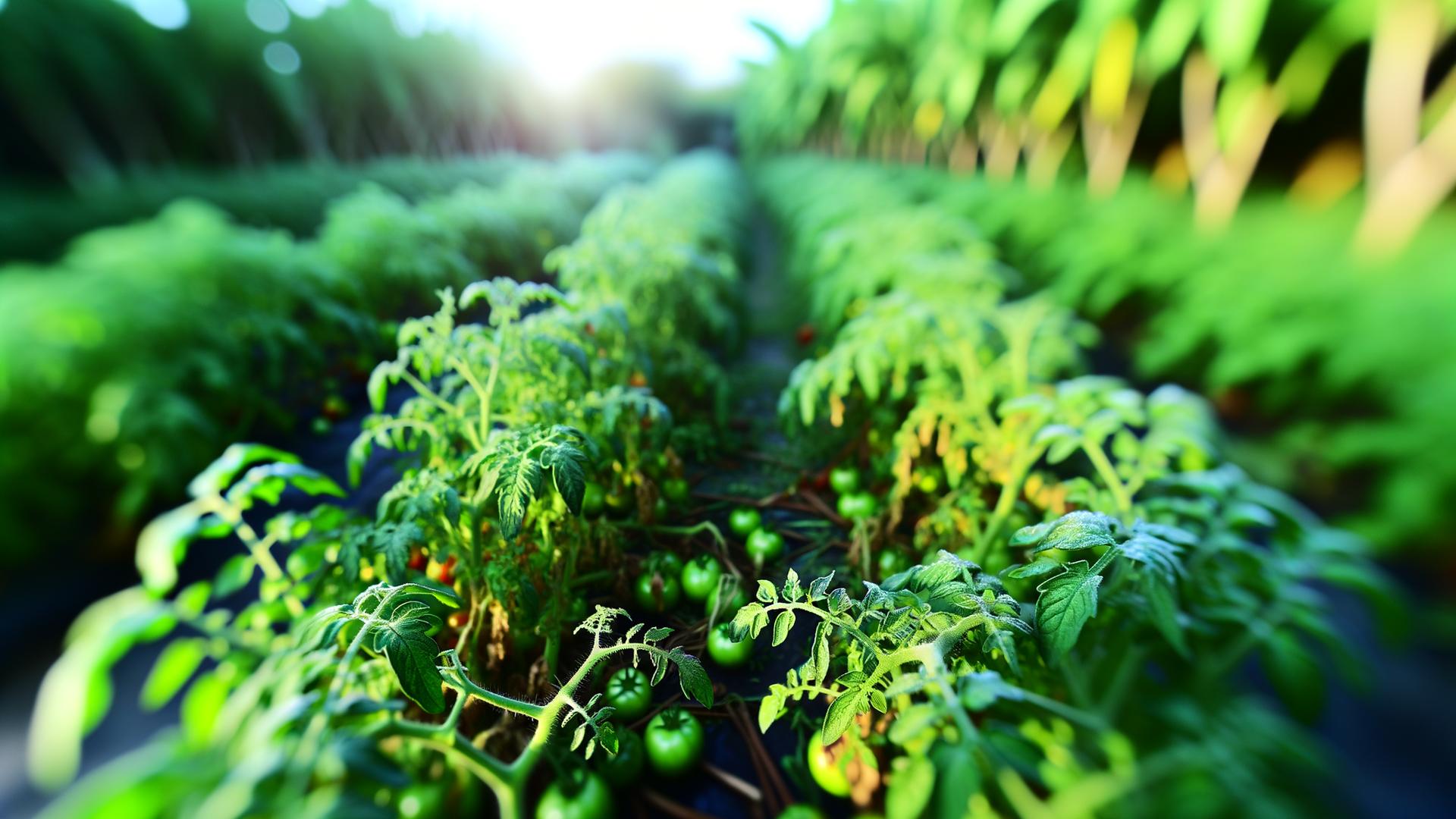

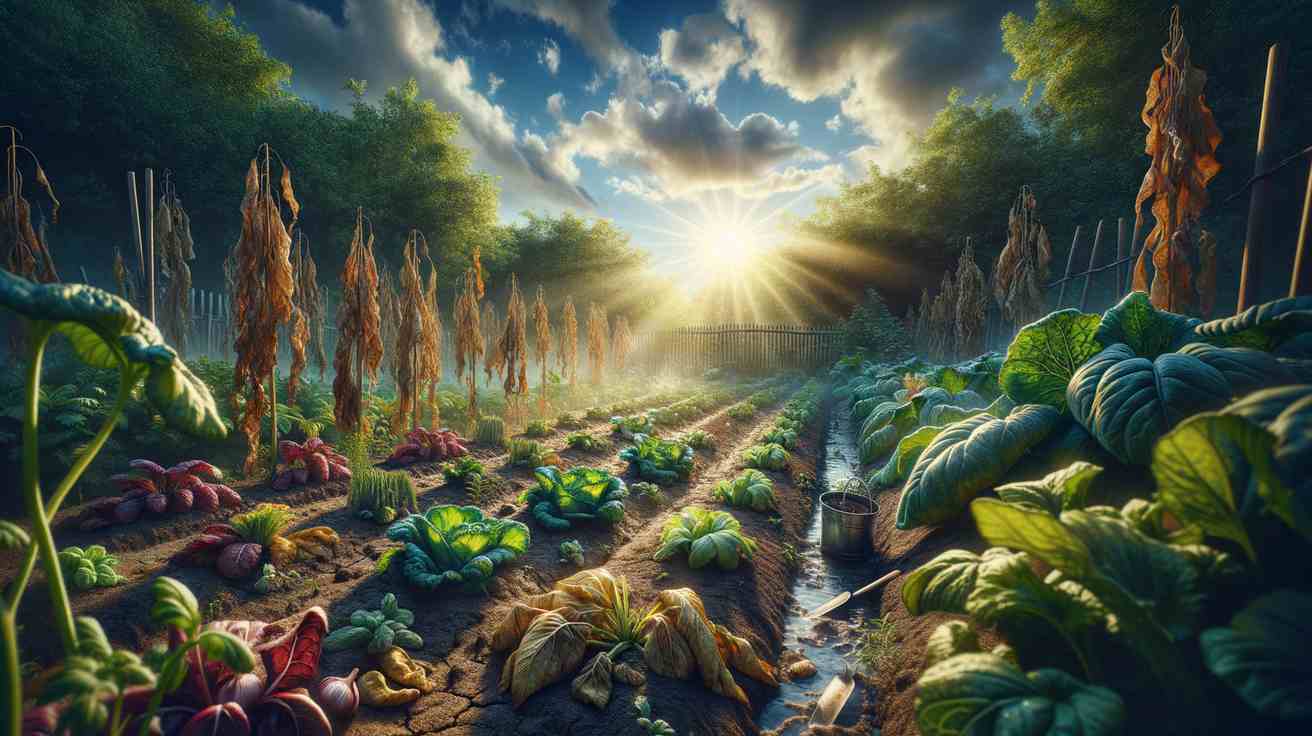
Picture this: You've spent countless hours planning, planting, and tending to your vegetable garden, only to find your plants struggling, yielding lackluster produce, or worse yet, nothing at all. The culprit may not be your gardening skills but rather the condition of your soil. Yes, your vegetable garden soil is technically dead, and that's why nothing grows the way it should. Understanding this concept and how to breathe life back into your soil can transform your garden from a barren patch to a thriving oasis.
Understanding "Dead" Soil
What Does "Dead" Soil Mean?
When we speak of "dead" soil, we're referring to soil that lacks the biological activity necessary to support plant growth. Healthy soil is a vibrant ecosystem teeming with microorganisms like bacteria, fungi, and earthworms. These organisms play a crucial role in nutrient cycling, decomposing organic matter, and creating soil structure. When soil is "dead," it means this ecosystem is disrupted, leading to a sterile environment where plants struggle to thrive.
Causes of Soil Degradation
Several factors can lead to soil degradation, rendering it "dead":
- Overuse of Chemical Fertilizers: While chemical fertilizers provide immediate nutrients, they can deplete soil of its natural fertility over time.
- Pesticides and Herbicides: These chemicals can kill beneficial microorganisms alongside pests.
- Heavy Tillage: Frequent tilling breaks down soil structure and disrupts microbial communities.
- Erosion and Compaction: These physical changes can limit root growth and reduce the soil's ability to retain water and nutrients.
- Monoculture Practices: Growing the same crop repetitively can deplete specific nutrients and disrupt soil biodiversity.
Reviving Your Garden Soil
Start with a Soil Test
Before embarking on a soil revival journey, conduct a soil test. This will provide a baseline understanding of your soil's pH level, nutrient composition, and organic matter content. Many agricultural extensions offer soil testing services, and results can guide your amendments and improvements.
Incorporating Organic Matter
Organic matter is the lifeblood of soil health. It feeds microorganisms, improves soil structure, and enhances water retention. Here’s how to incorporate it effectively:
- Composting: Create your own compost using kitchen scraps, leaves, and grass clippings. Apply a 2-3 inch layer of compost to your garden annually.
- Green Manures and Cover Crops: Planting legumes or grasses during the off-season can add nutrients back into the soil when they decompose.
- Mulching: Use organic mulches like straw or wood chips to protect soil, reduce erosion, and slowly add nutrients as they break down.
Encouraging Microbial Life
Reviving soil involves fostering a healthy microbial environment. Consider:
- Reduced Tillage: Limit tilling to avoid disturbing microbial habitats.
- Adding Mycorrhizal Fungi: These fungi form symbiotic relationships with plant roots, enhancing nutrient uptake. Products containing these fungi can be sprinkled on seeds or mixed into the soil.
- Avoiding Synthetic Chemicals: Minimize the use of pesticides and herbicides to protect beneficial organisms.
Balancing Soil pH
Soil pH affects nutrient availability. Most vegetables thrive in a slightly acidic to neutral pH (6.0-7.0). If your soil test reveals an imbalance, consider:
- Lime: Use lime to raise pH and reduce acidity.
- Sulfur: Use sulfur to lower pH if the soil is too alkaline.
Enhancing Soil Structure
A healthy soil structure allows roots to penetrate easily and facilitates water and air movement. Here’s how to improve it:
- Avoiding Compaction: Refrain from walking on garden beds. Use paths and stepping stones to manage foot traffic.
- Adding Gypsum: In clay soils, gypsum can help improve structure without altering pH.
Maintaining Healthy Soil
Crop Rotation and Diversity
Rotate crops each season to prevent nutrient depletion and reduce pest and disease buildup. Diversify plantings to encourage a range of microbial communities.
Regular Monitoring and Adjustments
Soil health is dynamic. Regularly monitor changes and make necessary adjustments based on plant performance and additional soil tests.
Sustainable Practices
Implement sustainable gardening practices such as permaculture or no-dig gardening to maintain soil health over the long term.
FAQs
1. How often should I test my soil?
Testing every 2-3 years can provide insights into nutrient levels and pH changes, allowing for timely adjustments.
2. Can I use kitchen scraps directly in the garden?
It's best to compost kitchen scraps first to avoid attracting pests and to ensure they break down properly.
3. How does compost improve soil health?
Compost adds organic matter, improves soil structure, enhances water retention, and provides nutrients.
4. What is the no-dig gardening method?
No-dig gardening involves layering organic materials on the soil surface to improve fertility and structure without tilling.
5. How can I tell if my soil is compacted?
Compacted soil is hard, has reduced drainage, and may show poor plant growth. A simple test is to insert a stick or pen into the soil; if it's difficult, compaction might be the issue.
6. What are green manures?
Green manures are cover crops grown to be turned into the soil to improve fertility and organic content.
7. Can I use wood chips as mulch?
Yes, wood chips make excellent mulch, helping to retain moisture, suppress weeds, and add organic matter over time.
8. Should I fertilize if I'm using compost?
Compost provides many nutrients, but depending on your soil test, you may still need to supplement with organic fertilizers.
9. How do earthworms benefit soil?
Earthworms aerate soil, improve drainage, and help decompose organic matter, enriching soil fertility.
10. Is it possible to over-amend soil with organic matter?
While rare, excessive organic matter can lead to nutrient imbalances. Regular soil testing helps prevent this.
Discussion (0)
No comments yet. Be the first to start the conversation!
Leave a Reply