
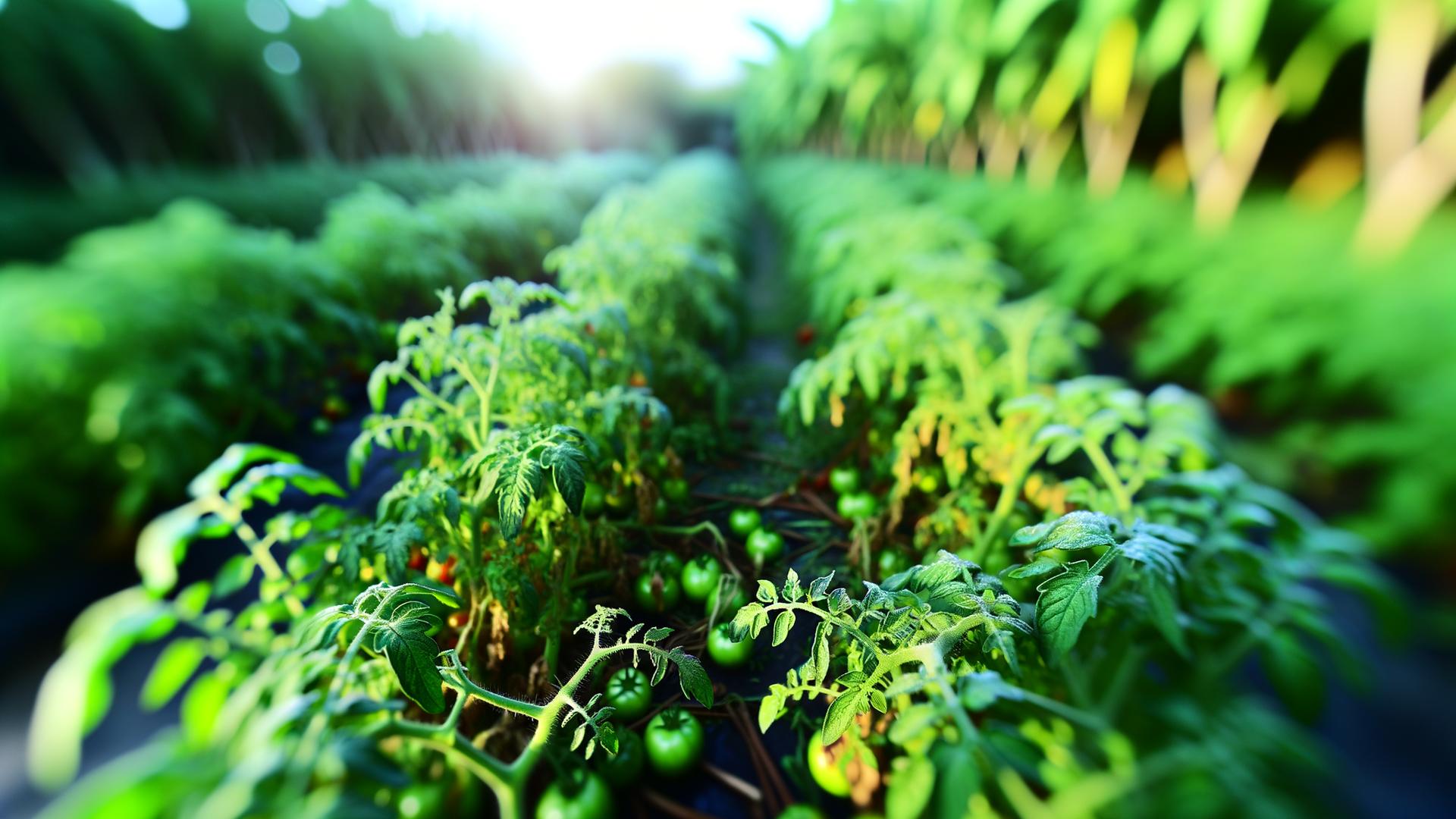

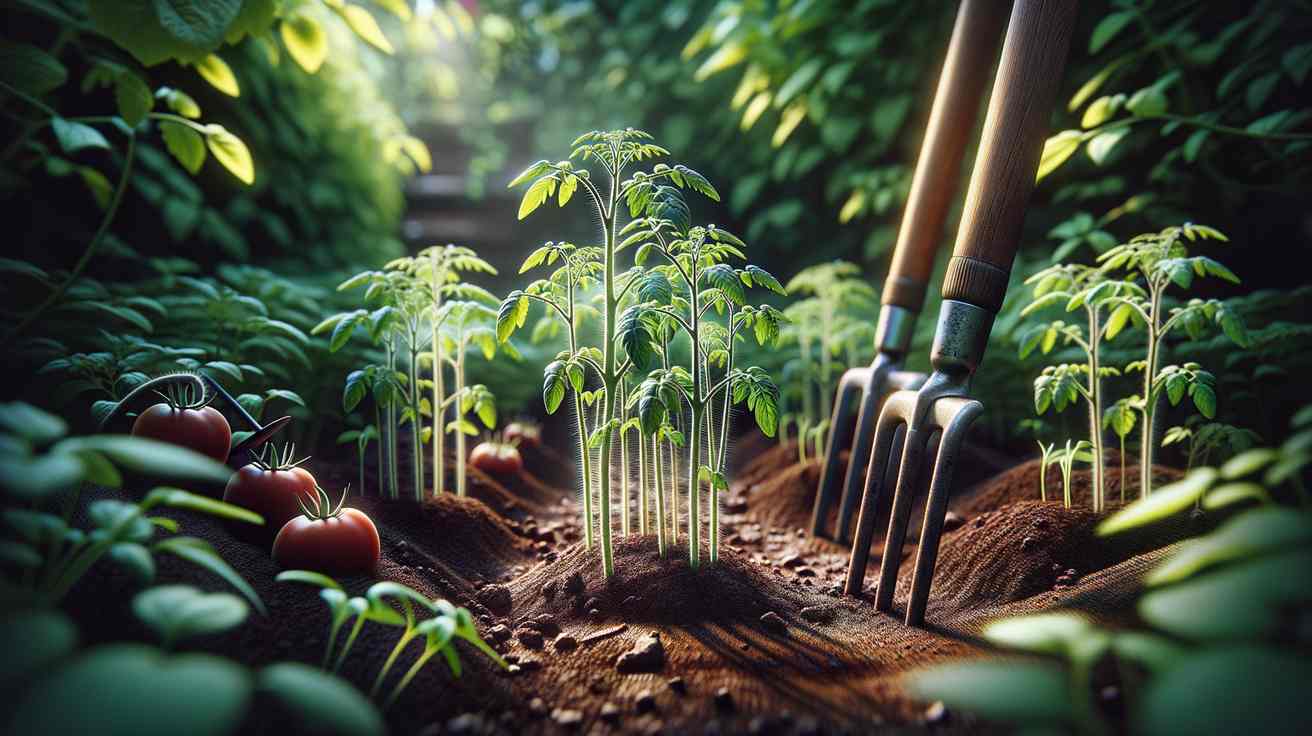
As any seasoned gardener will tell you, growing tomatoes from seed is a journey filled with anticipation and hope. Yet, despite our best intentions and meticulous planning, sometimes things don't go as planned. One common issue that many novice and experienced gardeners alike encounter is leggy tomato seedlings. These spindly, stretched-out plants can be disheartening to see, especially when you've put so much effort into nurturing them. But fear not—this problem often stems from a single mistake made during the first week of seedling care. Understanding and correcting this early misstep can set the stage for a robust and fruitful tomato season.
Understanding Legginess in Tomato Seedlings
What Does Leggy Mean?
In the world of gardening, "leggy" is a term used to describe plants that have grown tall and thin with elongated stems. This condition typically indicates that the seedlings are not developing as they should, often due to insufficient light. Legginess is particularly common in tomato seedlings because these plants are naturally inclined to stretch toward light sources. This stretching results in weak stems that struggle to support the plant's own weight, especially as it matures.
Why Is Legginess a Problem?
While legginess might not seem like a significant issue at first glance, it can have long-term consequences for your tomato plants. Weak stems can lead to structural problems as the plant grows, making it more susceptible to damage from wind or rain. Additionally, leggy plants may struggle to support fruit, leading to lower yields. Fortunately, by addressing the root cause early on, you can prevent these issues and ensure your seedlings get off to a strong start.
The Simple Mistake: Insufficient Light
The Role of Light in Seedling Growth
When tomato seeds first germinate, they rely heavily on light to kickstart their growth. Adequate light is essential for photosynthesis, the process by which plants convert light energy into chemical energy. Without sufficient light, seedlings will stretch toward any available light source, resulting in legginess.
Common Light Mistakes
The most common mistake gardeners make is underestimating the amount of light young seedlings need. Many assume that a sunny windowsill will suffice; however, in many cases, this is not enough. Natural sunlight coming through a window is often too weak, especially in early spring when daylight hours are still limited. This inadequacy leads to the seedlings stretching out in search of more light.
Correcting the Light Issue
To prevent legginess, ensure your tomato seedlings receive 14 to 16 hours of direct light each day. For those starting seeds indoors, investing in a quality grow light can make a world of difference. LED grow lights are a popular choice because they are energy-efficient and provide the full spectrum of light that tomato seedlings need to thrive.
Position the grow light just a few inches above the seedlings and adjust as they grow, keeping it close to prevent stretching. If you're using natural sunlight, supplement it with artificial light to ensure the seedlings get the required amount.
Additional Factors Contributing to Legginess
While insufficient light is the primary culprit behind leggy seedlings, other factors can exacerbate the problem. By addressing these additional issues, you can create an optimal environment for seedling growth.
Temperature
Tomato seedlings prefer warm temperatures to germinate effectively; however, keeping them too warm without adequate light can encourage legginess. Aim to maintain a consistent temperature of 70-75°F (21-24°C) during the day and slightly cooler at night. This balance helps promote steady, healthy growth.
Overcrowding
Crowded seedlings compete for light and resources, contributing to legginess. Ensure you thin out your seedlings after germination, leaving the strongest ones to grow. This practice gives each plant ample space and access to light.
Watering
Overwatering can be detrimental to seedling health, leading to poor root development and increased susceptibility to disease. Water your seedlings when the top inch of soil feels dry, taking care not to saturate the soil.
Nutrient Balance
While nutrients are crucial for growth, too much fertilizer can encourage excessive top growth at the expense of root development, leading to legginess. Use a balanced, diluted fertilizer only after the first true leaves appear, and follow package instructions carefully.
Preventing and Fixing Leggy Seedlings
Prevention Tips
-
Start with Quality Seeds: Use fresh, high-quality tomato seeds from a reputable source to ensure strong initial growth.
-
Use a Reflective Surface: Place a reflective surface, such as aluminum foil or whiteboard, around your seedlings to enhance light distribution.
-
Rotate Seedlings: If growing on a windowsill, rotate your seedlings daily to ensure even growth and prevent leaning.
Fixing Leggy Seedlings
If you've already noticed legginess in your seedlings, don't despair. While prevention is ideal, there are ways to address the issue:
-
Replanting: When it's time to transplant your seedlings, bury part of the stem. Tomatoes can develop roots along buried stems, which helps stabilize the plant.
-
Pruning: Gently pinch back the top of the seedlings to encourage bushier growth.
-
Gradual Acclimatization: Before moving seedlings outdoors, gradually introduce them to increased light and outdoor conditions. This process, known as hardening off, helps strengthen the plants.
FAQs
-
Why are my tomato seedlings falling over?
Likely due to legginess from insufficient light, causing weak stems. -
Can leggy tomato seedlings recover?
Yes, by providing adequate light and burying part of the stem when transplanting. -
How far should grow lights be from seedlings?
About 2-3 inches above the seedlings, adjusting as they grow. -
What is the ideal temperature for tomato seedlings?
Aim for 70-75°F (21-24°C) during the day. -
Do leggy seedlings produce less fruit?
They can, as weak stems may struggle to support fruit weight. -
Can I use a regular light bulb for seedlings?
It's best to use a full-spectrum grow light for optimal results. -
How often should I water tomato seedlings?
Water when the top inch of soil feels dry, avoiding overwatering. -
What type of fertilizer should I use for seedlings?
A balanced, diluted liquid fertilizer is recommended after true leaves appear. -
How do I thin out my seedlings?
Snip the weaker seedlings at soil level, leaving the strongest ones. -
When should I start hardening off my seedlings?
Begin a week or two before transplanting them outdoors.
Discussion (0)
No comments yet. Be the first to start the conversation!
Leave a Reply