If you’re finding yourself staring at your bell pepper plants in August, wondering why they’re still a stubborn shade of green, you're not alone. Many gardeners experience this common problem, and it can often be traced back to decisions made months earlier, particularly in May. Understanding what went wrong can help you cultivate a bountiful harvest in the future.
Understanding the Growth Cycle of Bell Peppers
Bell peppers, like many other fruits, follow a specific growth cycle that is heavily influenced by environmental conditions and care practices. Knowing this cycle is crucial to diagnosing why your peppers might be underperforming.
The Early Stages: From Seed to Seedling
Bell peppers should ideally be started indoors about 8-10 weeks before the last frost date. This gives the plants a strong start in a controlled environment. During these early stages, adequate light and consistent moisture are critical. If seedlings don't receive enough light, they may become leggy and weak, affecting their ability to thrive once transplanted outdoors.
Transplanting: A Critical Transition
Come May, many gardeners make the essential decision to transplant their seedlings into the garden. This timing is crucial. Bell peppers are sensitive to cold, and transplanting them before nighttime temperatures consistently stay above 55°F can stunt their growth. This can delay fruiting and lead to peppers that linger in their green stage much longer than expected.
Common Mistakes Made in May
As we zero in on May, several key mistakes can affect your bell peppers' growth and color transition.
Poor Soil Preparation
One of the most common mistakes is neglecting soil preparation. Bell peppers thrive in well-draining, nutrient-rich soil with a slightly acidic to neutral pH (between 6.0 and 7.0). If you miss this step, your peppers can suffer from nutrient deficiencies, impacting their ability to mature and change color.
Solution
Before transplanting, enrich your soil with organic matter like well-rotted manure or compost. Conduct a soil test to adjust pH levels as necessary. Consider adding a balanced fertilizer to provide essential nutrients.
Inadequate Spacing
Crowding plants is another frequent oversight. Bell peppers need space to spread their roots and access sunlight. Insufficient spacing can lead to poor air circulation, increasing the risk of disease and reducing the plants' overall vigor.
Solution
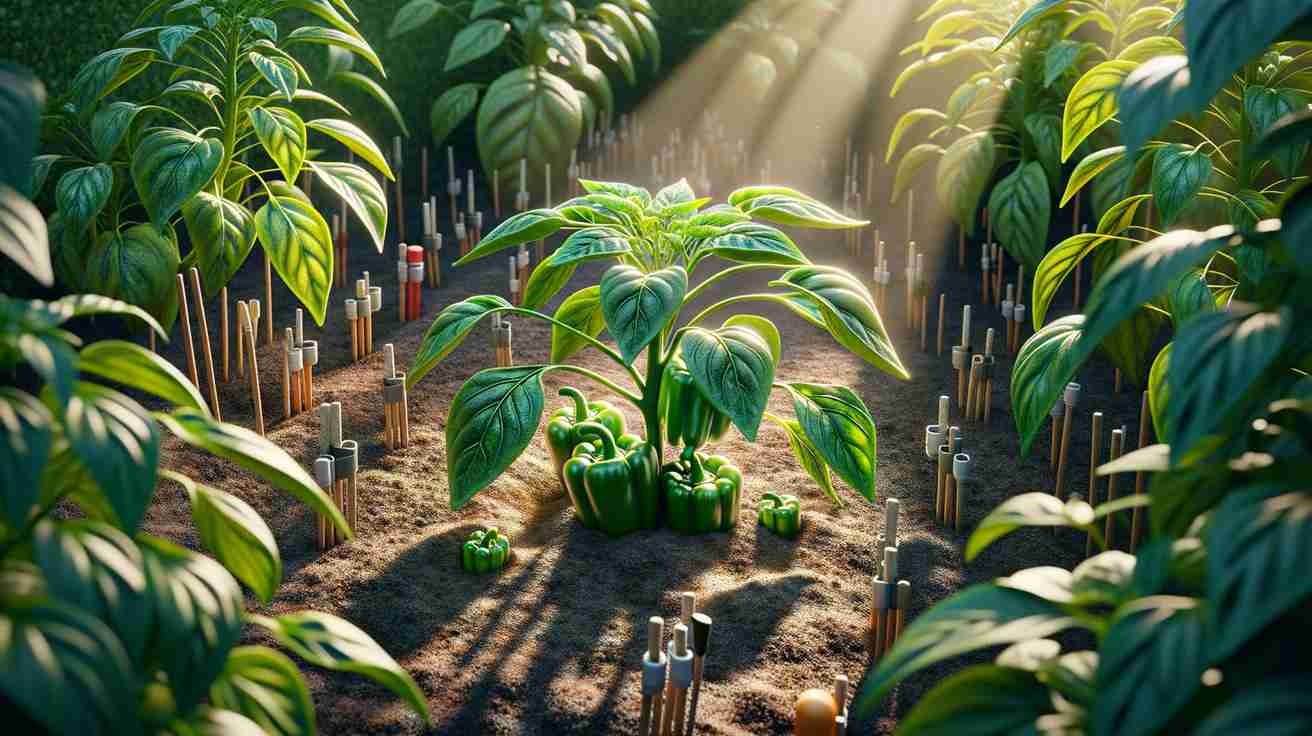
When planting, ensure each bell pepper plant has about 18 to 24 inches of space in all directions. This not only promotes healthy growth but also helps peppers receive the sunlight they need to ripen fully.
Overwatering or Underwatering
Watering is a delicate balance. Both overwatering and underwatering can stress the plants, delaying fruit development. Bell peppers require consistent moisture but should never be left in soggy soil.
Solution
Water deeply but infrequently, allowing the top inch of soil to dry out between waterings. Mulching can help retain moisture and regulate soil temperature.
Environmental Factors Influencing Pepper Ripening
Even if you’ve avoided major mistakes in May, environmental factors throughout the growing season can still impact pepper ripening.
Temperature Fluctuations
Bell peppers thrive in warm weather, but extreme heat or cold spells can hinder their progress. High temperatures (above 90°F) can cause flowers to drop and slow down fruit development.
Solution
Provide shade during the hottest part of the day if you're experiencing a heatwave. Conversely, if temperatures drop unexpectedly, consider using row covers to protect your plants.
Insufficient Sunlight
Bell peppers need at least 6-8 hours of direct sunlight daily. Shaded plants will struggle to mature and change color.
Solution
If your garden is naturally shaded, consider relocating your pepper plants to a sunnier spot or using reflective surfaces to increase light exposure.
Encouraging Peppers to Change Color
If your peppers are still green in August, there’s still hope to encourage them to change color.
Patience and Timing
Patience is vital. Peppers can take an additional 20-30 days to change color after reaching their full size. Knowing the specific variety of bell pepper is important, as some naturally take longer to ripen than others.
Nutrient Boosts
Consider applying a low-nitrogen fertilizer to encourage fruit development over leafy growth. Excess nitrogen can cause plants to focus on foliage rather than fruit.
Stress Reduction
Avoid unnecessary stressors such as pruning or moving plants late in the season, as this can disrupt their growth cycle.
FAQs
1. Why are my bell peppers not turning red?
Green bell peppers are technically immature. If they aren't turning red, it might be a matter of time, temperature, or nutrient imbalance.
2. How long does it take for bell peppers to ripen on the vine?
After reaching full size, peppers can take 20-30 days to change color, depending on the variety and growing conditions.
3. Can I eat green bell peppers?
Yes, green bell peppers are perfectly edible. They tend to be less sweet and more bitter than fully ripened peppers.
4. What is the best fertilizer for bell peppers?
A balanced fertilizer low in nitrogen or a specific fruiting vegetable fertilizer can be ideal. Avoid high nitrogen fertilizers which promote foliage over fruit.
5. How often should I water my bell pepper plants?
Water deeply once or twice a week, depending on rainfall and temperature. Ensure the soil dries out slightly between waterings to prevent root rot.
6. What pests should I watch out for?
Aphids, spider mites, and pepper weevils are common pests. Regular monitoring and natural pest control methods can help keep them in check.
7. Can I grow bell peppers in containers?
Yes, bell peppers can thrive in containers if they have enough space (at least 5 gallons), good drainage, and are placed in a sunny spot.
8. How can I improve soil for bell peppers?
Incorporate organic matter and conduct a soil test to adjust pH levels. Mulching can also improve moisture retention and soil health.
9. Do bell peppers need staking?
While not always necessary, staking can help support the plant and prevent branches from breaking under the weight of the fruit.
10. Can I save seeds from my bell peppers for next year?
Yes, but ensure they are from open-pollinated varieties, as hybrid seeds may not produce true to type.
Discussion (0)
No comments yet. Be the first to start the conversation!
Leave a Reply