A Hidden Gem: My Garden Odyssey
Gardening is more than a hobby for me—it's a healing, spiritual journey. Years ago, after losing my grandmother, whose garden was her pride, I found solace in the dirt, among the cherry tomatoes and fragrant herbs. Her absence left a void, but her garden brought her essence alive with each bloom and harvest. During these moments, one plant sparked my curiosity—a mysterious leafy green hidden among the traditional veggies. It was plainer, yet something about its quiet resilience captivated me. This unassuming plant turned out to be Nasturtiums. These little flowering gems not only filled my garden with vibrant hues and spicy fragrance but also transformed how I approached gardening. Come join me as we unearth the hidden treasures in your garden that might just outshine your veggies!
Nasturtiums: Not Just a Pretty Face
The Charm of Nasturtiums
Nasturtiums, with their peppery taste and vividly colored flowers, might appear delicate, but they are powerhouses in disguise. Their unique traits set them apart from the average garden flora. Indeed, their adaptable, sprawling nature allows them to thrive across various environments, making them the perfect candidates for any gardener looking to add a touch of wonder to their green space.
Benefits Beyond Beauty
Beyond their aesthetic appeal, Nasturtiums are a gardener's best-kept secret for several reasons:
- Natural Pest Control: These plants are excellent companions for veggies, acting as a natural deterrent for pests like aphids.
- Edible Delights: Every part of the nasturtium is edible. The leaves offer a peppery flavor akin to watercress, while the flowers provide a spicy, zesty garnish.
- Nutrient Rich: Packed with Vitamin C, they provide nutritional benefits and can boost your immune system.
- Soil Enrichment: They improve soil health by adding nutrients like phosphorous.
By integrating nasturtiums into your garden, you not only enhance its beauty but also its health and productivity.
Cultivating the Treasure
From Soil to Blooms
Growing Nasturtiums is akin to planting a treasure chest in your garden. They thrive with minimal effort, making them a favorite among novice and seasoned gardeners alike.
Planting Tips:
- Choose the Right Spot: Nasturtiums flourish in sunny locations but can tolerate partial shade.
- Soil Requirements: They prefer well-drained, poorer soils, which help them produce more flowers. Rich soils will lead to more leaves instead of blooms.
- Watering: Keep the watering moderate to prevent root rot; they prefer dry spells between watering.
- Sowing Seeds: Plant seeds directly in the garden bed after the last frost for best results.
The Seasons of Growth
Understanding the growth cycle of Nasturtiums can help you plan and nurture them effectively:
- Spring: Perfect for sowing seeds as the risk of frost decreases.
- Summer: Watch as they flourish; this is when your nasturtiums will be at their most vibrant.
- Fall: They continue to bloom until the first frost.
- Winter: While frost-sensitive, they’ll reseed themselves, ensuring a new generation next spring.
Nasturtiums in Culinary Adventures
A Feast for the Senses
Integrating Nasturtiums into your culinary repertoire can add a whole new dimension to your dishes. They bring a spicy kick that spices up salads, stews, and more.
Culinary Tips:
- Salads: The leaves and flowers complement salads with a peppery punch.
- Garnishes: Use the vibrant flowers to brighten up any dish with a splash of color and a hint of spice.
- Infusions: Nasturtium seeds work wonderfully in vinegar infusions, imparting a subtle mustard-like flavor.
Recipes to Try
Nasturtium Pesto:
- Ingredients: A handful of nasturtium leaves, garlic, olive oil, nuts of choice, Parmesan cheese.
- Procedure: Blend all ingredients until smooth. The result is a unique pesto with a spicy kick perfect for drizzling over pasta or spreading on bread.
Companion Planting with Nasturtiums
An Ecological Marvel
Nasturtiums are champions of the companion planting method, an eco-friendly strategy to maximize space and increase biodiversity.
Perfect Pairings:
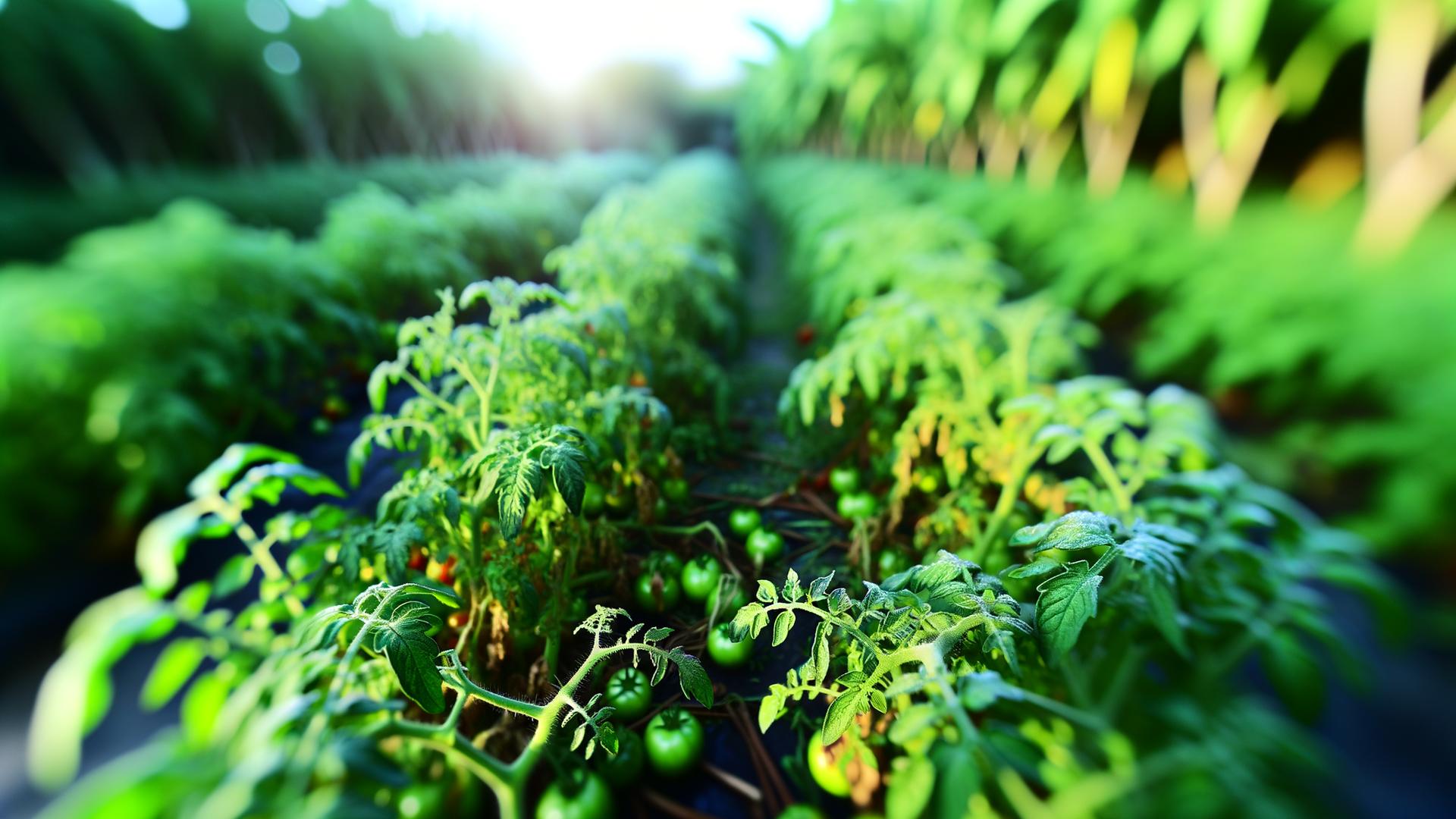
- Tomatoes and Peppers: Protect against whiteflies and aphids.
- Cucumbers: Repel cucumber beetles effectively.
- Broccoli and Cabbage: Serve as a trap crop for cabbage moths.
Enhancing Garden Harmony
By adding Nasturtiums to your garden, you create a synergistic environment. Not only do they repel harmful insects, but they also attract pollinators like bees and hummingbirds. This balance fosters a healthier ecosystem within your garden.
Overcoming Common Challenges
Navigating the Bumps
While Nasturtiums are generally hardy, they are not without potential challenges. Here's how to tackle the most common ones:
- Pest Issues: Though they deter many pests, some, like slugs, can still be a problem. Natural remedies like diatomaceous earth can help.
- Fungal Diseases: Ensure proper spacing and airflow to prevent fungal issues, a common problem in humid climates.
- Nutrient Deficiency: If leaves are yellowing, a balanced, organic fertilizer can help.
By anticipating these challenges, you can ensure your Nasturtiums continue to own the spotlight in your garden.
Frequently Asked Questions
-
Are all parts of the nasturtium edible?
- Yes, the leaves, flowers, and seeds are all edible and have a peppery taste.
-
How do I prevent my nasturtiums from getting leggy?
- Ensure they receive full sunlight and are planted in poor soil to encourage more blooms rather than leggy growth.
-
Can nasturtiums grow indoors?
- Yes, they can grow indoors in containers with good access to sunlight.
-
What do nasturtiums taste like?
- They have a spicy, peppery flavor similar to arugula or watercress.
-
How can I use nasturtium seeds?
- They can be pickled, added to dishes for a spicy kick, or used in infusions.
-
Do nasturtiums come in different colors?
- Absolutely! They range from bright yellows and oranges to reds and deep burgundies.
-
Are nasturtiums annuals or perennials?
- They are typically grown as annuals but can behave like perennials in frost-free climates.
-
How do I deal with aphids on nasturtiums?
- Use a soap-based homemade spray to keep aphids at bay.
-
What soil type is best for nasturtiums?
- They thrive in well-drained, poor soils.
-
Can I use nasturtiums as ground cover?
- Yes, they're excellent for ground cover as they spread quickly and suppress weeds.
Discussion (0)
No comments yet. Be the first to start the conversation!
Leave a Reply