

Worm bins have stealthily crawled into the limelight of the gardening world, and if you're noticing them more frequently, you're not alone. Once a niche interest among dedicated environmentalists and hardcore gardeners, worm composting, or vermicomposting, is now a burgeoning trend. The reasons are clear: it's an eco-friendly way to dispose of kitchen waste, produces nutrient-rich compost, and requires minimal space. Yet, while it might seem as simple as putting worms in a box, experienced gardeners know there's an art and science to mastering this underground world.
Why Worm Bins Are Gaining Popularity
The surge in worm bin popularity stems from a combination of environmental consciousness and the desire for organic gardening solutions. As gardeners seek sustainable practices, they find that worm bins are a practical way to reduce landfill waste while creating a high-quality soil amendment. Moreover, urban gardeners with limited space find worm bins to be a perfect fit for their needs.
Environmental Benefits
Worm bins significantly reduce the volume of organic waste that ends up in landfills. In a typical composting process, organic matter decomposes aerobically, sometimes resulting in the release of greenhouse gases like methane. Vermicomposting, however, converts waste more efficiently through the digestive processes of worms, minimizing harmful emissions and producing worm castings, a potent fertilizer.
Organic Gardening Advantage
Worm castings are often referred to as "black gold" in the gardening community. They are rich in nutrients such as nitrogen, phosphorus, and potassium, and they improve soil structure, increase microbial activity, and aid in water retention. For organic gardeners, worm castings provide a natural alternative to chemical fertilizers, ensuring that their plants thrive without harmful additives.
What Experienced Gardeners Know
While the concept of a worm bin is straightforward, experienced gardeners understand the nuances that can make or break the system. From selecting the right type of worms to maintaining the ideal conditions, there's a learning curve that can be navigated with a bit of insight.
Choosing the Right Worms
Not all worms are suited for composting. The red wiggler (Eisenia fetida) is the worm of choice for most vermicomposters. These worms are efficient at processing organic waste and thrive in the conditions found in a typical worm bin. Unlike earthworms, red wigglers prefer the warm, moist environment of a compost bin rather than the deeper soil layers.
Creating the Perfect Bin
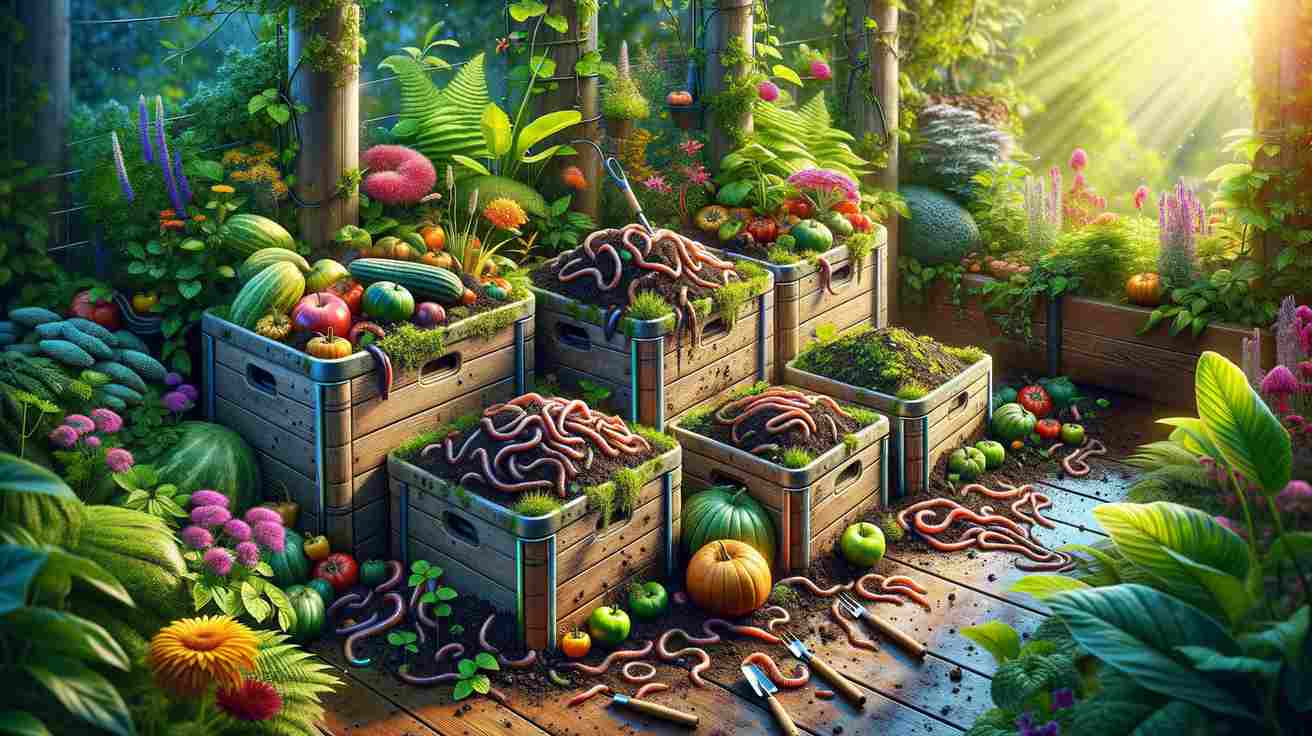
A successful worm bin starts with choosing the right container. While commercial worm bins are available, many gardeners opt for DIY solutions using plastic or wooden bins. The bin should have adequate ventilation to prevent odor and provide sufficient drainage to avoid excess moisture build-up.
-
Size: The size of the bin should be proportional to the amount of waste you plan to compost. A typical household generating average kitchen waste might start with a bin that is about 2 to 3 feet long, 1 to 2 feet wide, and about 1 foot deep.
-
Bedding Material: The bedding material is crucial as it provides worms with a home and a medium through which they can move and digest organic matter. Common bedding materials include shredded paper, coconut coir, and aged manure. The bedding should be moist but not soggy.
-
Moisture and Temperature: Worms need a specific environment to thrive. The bedding should maintain a moisture level similar to a wrung-out sponge. The temperature should ideally stay between 55°F and 77°F (13°C to 25°C) for optimal worm activity.
Feeding Your Worms
Feeding worms is more than just tossing kitchen scraps into the bin. Experienced gardeners know the importance of balance and variety in the worm's diet.
-
Acceptable Foods: Worms thrive on fruit and vegetable scraps, coffee grounds, tea bags, and crushed eggshells. These materials are broken down easily and add necessary nutrients to the compost.
-
Foods to Avoid: Meat, dairy, oily foods, and acidic scraps like citrus peels should be avoided as they can create odors and attract pests.
-
Feeding Frequency: Feed your worms in small amounts and adjust based on their consumption rate. Overfeeding can lead to an unhealthy bin, while underfeeding can slow down compost production.
Harvesting Worm Castings
The end goal of vermicomposting is the rich, dark castings that worms leave behind. Harvesting these castings requires some patience and technique.
-
Separation Methods: One common method is to push the finished compost to one side of the bin and add fresh bedding and food to the other. Over time, worms will migrate to the new food source, making it easier to collect the castings. Another method involves laying the compost out in the light, encouraging worms to burrow down while you remove the top layer.
-
Using Castings: Incorporate worm castings into your garden soil, potting mixes, or as a top dressing for existing plants. They can also be used to brew worm tea, a liquid fertilizer that can be sprayed on plant foliage or poured onto the soil.
Common Mistakes and Troubleshooting
Even experienced gardeners encounter challenges with worm bins. Knowing potential pitfalls can help you maintain a healthy and productive composting system.
Overfeeding
One of the most common mistakes is overfeeding. This can lead to a smelly bin and may attract pests. To prevent this, only add more food once the previous batch is significantly broken down.
Odor Issues
A properly maintained worm bin should not emit foul odors. If you notice a bad smell, check for excess moisture or improperly balanced food waste. Adjust by adding more dry bedding or reducing the amount of food.
Pest Prevention
Fruit flies and other pests can become a nuisance. Covering food scraps with bedding and ensuring the lid is secure can help keep these invaders at bay.
Expanding Your Vermicomposting Skills
For those looking to deepen their vermicomposting journey, there are numerous ways to expand your skills and knowledge.
Experimenting with Different Bin Designs
As you become more comfortable with the basics, consider experimenting with different bin designs. Stacking systems, continuous flow bins, and outdoor composting setups each offer unique benefits and challenges.
Advanced Feeding Techniques
Try varying the types of food and bedding to observe how these changes affect compost production and worm health. Some gardeners even experiment with specific "worm chow" recipes for optimal nutrition.
Community and Sharing
Engage with local gardening communities or online forums to share experiences and learn from fellow worm farmers. Swapping tips, worms, and castings can be an enriching experience.
FAQs
-
How many worms do I need to start a worm bin?
- A pound of red wigglers (approximately 1,000 worms) is a good starting point for a small household bin.
-
Can I keep my worm bin outside?
- Yes, but ensure it is protected from extreme temperatures and predators.
-
How often should I turn my worm bin?
- Unlike traditional compost piles, worm bins do not need turning. The worms aerate the compost naturally.
-
What should I do if my worm bin gets too wet?
- Add dry bedding materials like shredded paper or cardboard to absorb excess moisture.
-
How do I know if my worms are healthy?
- Healthy worms are active and rapidly consuming food. If they are sluggish or clumping at the surface, it may indicate an issue with the bin's conditions.
-
Can I use chemical fertilizers along with worm castings?
- While you can, it's often unnecessary as worm castings provide ample nutrients for most plants.
-
Is it possible to over-harvest worm castings?
- Yes, removing too many castings can disrupt the bin's ecosystem. Always leave some behind for the worms to live in.
-
How long does it take for food scraps to turn into compost?
- Under ideal conditions, food scraps can take a few weeks to a few months to fully decompose.
-
Can I add garden waste to my worm bin?
- Small amounts of non-woody garden waste can be added, but avoid large quantities or tough materials like branches.
-
What should I do if my worm bin starts to smell?
- Check for overfeeding, excess moisture, or improper ventilation and adjust accordingly.
Discussion (0)
No comments yet. Be the first to start the conversation!
Leave a Reply