Tomatoes, those vibrant red jewels of the garden, can be the pride of any gardener. However, just as you're about to harvest your beautiful bounty, you notice something disheartening: your tomatoes have split open. Not only does this spoil their appearance, but it also makes them more susceptible to pests and diseases. If you've experienced this, you're not alone. Many gardeners face this challenge, but the good news is that there’s a straightforward solution that takes just a few minutes to implement.
Understanding Why Tomatoes Split
Before diving into the fix, it’s important to understand why tomatoes split. This phenomenon primarily occurs due to fluctuations in water availability. When a tomato plant receives an inconsistent supply of water, the fruits take on more than they can handle, causing the skin to crack.
Causes of Water Fluctuation
- Inconsistent Watering: Perhaps the most common cause, irregular watering schedules lead to uneven moisture levels in the soil.
- Heavy Rainfall: After a dry spell, a sudden downpour can cause tomatoes to swell quickly.
- Overhead Irrigation: Using sprinklers can sometimes lead to water sitting on the fruit, exacerbating the splitting problem.
Why Splitting Matters
Splitting isn't just a cosmetic issue. When tomatoes split, the fruit's internal sugars and acids are exposed, attracting insects and inviting fungal infections. This not only affects the current harvest but can also impact the plant’s overall health and productivity.
The 5-Minute Fix to Prevent Splitting
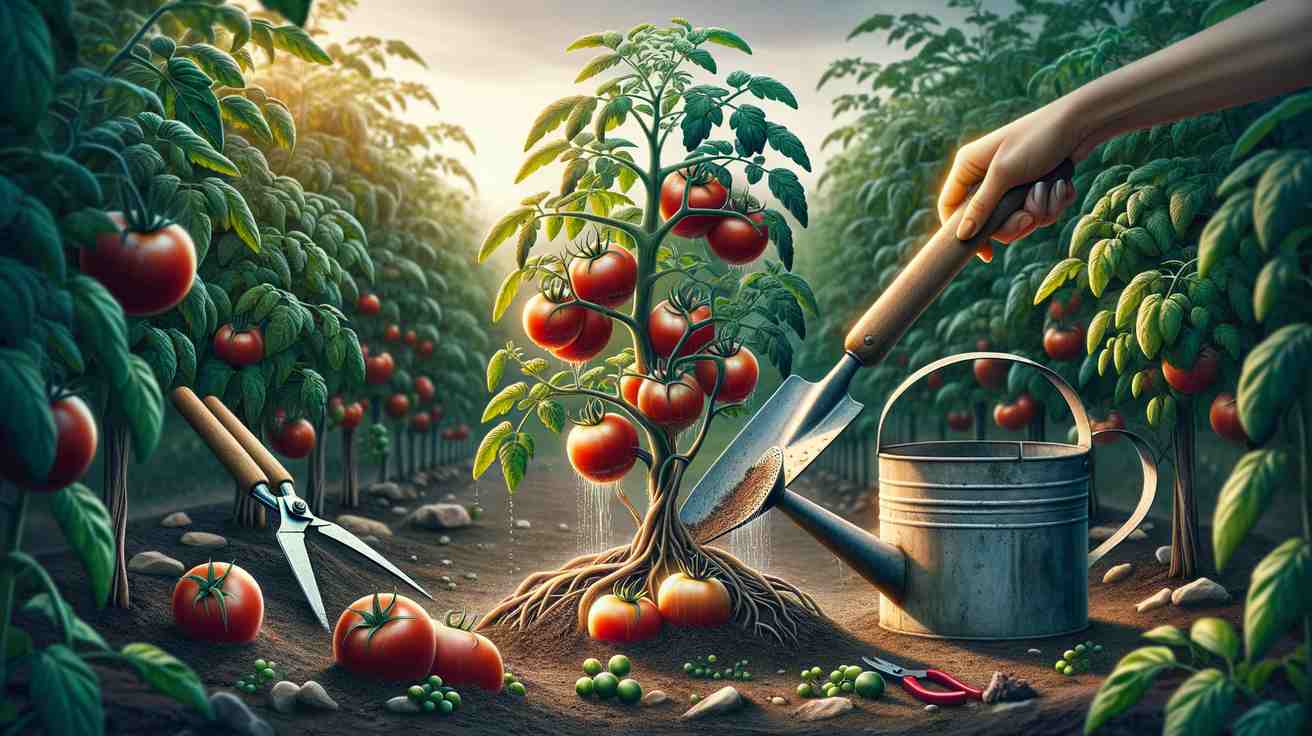
Preventing your tomatoes from splitting involves a simple but effective practice: consistent watering.
Implementing Consistent Watering
- Set a Schedule: Water your tomato plants deeply and consistently. Aim for watering every 2-3 days, more often if the weather is particularly hot and dry.
- Water at the Base: Focus on watering the base of the plant rather than the foliage. This reduces the risk of disease and ensures water reaches the roots where it’s needed.
- Use Mulch: Apply a layer of organic mulch around the base of your plants. Mulch helps retain soil moisture, preventing rapid fluctuations.
- Drip Irrigation: Consider installing a drip irrigation system. It delivers water directly to the soil at a consistent rate, minimizing the risk of splitting.
The Role of Soil and Fertilization
While watering is crucial, the condition of your soil and the way you fertilize can also play a significant role.
- Soil Quality: Ensure your soil is well-draining yet retains enough moisture. Adding organic matter like compost can improve soil structure.
- Balanced Fertilization: Avoid over-fertilizing with high-nitrogen fertilizers, as this can lead to excessive foliage growth and poor fruit development.
Additional Tips for Healthy Tomatoes
Choosing the Right Tomato Varieties
Some tomato varieties are more prone to splitting than others. If you often face this issue, consider planting crack-resistant varieties.
- Cherry Tomatoes: These small, sweet tomatoes are less likely to split.
- Heirloom Varieties: Some heirlooms have thicker skins that are more resistant to cracking.
Monitoring and Adjusting
- Observe Weather Patterns: Pay attention to weather forecasts. If heavy rain is expected, consider covering your plants temporarily.
- Regular Inspections: Check your tomatoes regularly for signs of splitting and adjust your watering schedule accordingly.
FAQs
-
Can I still eat split tomatoes? Yes, split tomatoes are safe to eat if they are free from mold and pests. Simply cut away the damaged parts before consuming.
-
What type of mulch is best for tomatoes? Organic mulches like straw, shredded leaves, or grass clippings work well to retain moisture and add nutrients to the soil.
-
How much water do tomato plants need? Tomato plants typically require about 1-2 inches of water per week, including rainfall.
-
Can container-grown tomatoes split too? Yes, container tomatoes can split if they experience inconsistent watering. Ensure containers have drainage holes and water regularly.
-
How do I know if I'm over-watering? Signs of over-watering include yellowing leaves and soggy soil. Ensure your soil is well-draining and allow the top inch to dry out between waterings.
-
Should I remove split tomatoes from the plant? Yes, it's a good idea to remove split tomatoes to prevent attracting pests and disease.
-
Do fertilizers cause tomatoes to split? Over-fertilization, especially with nitrogen-heavy fertilizers, can lead to rapid growth and splitting. Use a balanced fertilizer for best results.
-
How can I tell if my soil is well-draining? Perform a percolation test: dig a hole, fill it with water, and see how long it takes to drain. If it drains within 24 hours, your soil is well-draining.
-
Is it okay to water tomatoes in the evening? Morning is best for watering to allow leaves to dry throughout the day, reducing the risk of disease.
-
Can pruning help prevent splitting? Pruning can improve air circulation and sunlight exposure, indirectly supporting healthier fruit development.
Discussion (0)
No comments yet. Be the first to start the conversation!
Leave a Reply