
In the world of gardening, few practices spark as much debate as the seemingly counter-intuitive act of removing the first flowers from pepper plants. To the untrained eye, this might appear to be an exercise in futility. After all, flowers are the precursors to fruit, and fruit is the gardener's reward. Yet, seasoned gardeners swear by this practice, claiming it leads to more robust plants and a more bountiful harvest. This practice has roots in both science and tradition, drawing on generations of horticultural experience.
Understanding Pepper Plant Growth
The Initial Growth Phase
Pepper plants, whether hot or sweet, go through several growth stages, each critical to the plant's overall health and yield potential. In the initial growth phase, the plant focuses on establishing a strong root system and sturdy stems. During this time, the plant's energy is directed toward vegetative growth, which includes the development of leaves and stems.
The First Flowers: An Overview
The first flowers on pepper plants typically appear when the plant is still relatively small. While these flowers might seem like a sign of healthy growth, they can actually be a distraction that diverts energy from the plant's root and stem development. By removing these early blooms, gardeners can help the plant redirect its energy toward establishing a robust framework capable of supporting a larger harvest later in the season.
Why Remove the First Flowers?
Encouraging Strong Root Systems
Strong roots are the foundation of any healthy plant. By removing the first flowers, you allow the pepper plant to devote more energy to root development. A well-developed root system enhances the plant's ability to absorb water and nutrients, which is crucial during the hot and dry periods of the growing season.
Promoting Vigorous Vegetative Growth
In addition to strengthening the root system, removing the first flowers encourages the plant to grow more leaves and branches. Leafy growth is vital as leaves are the site of photosynthesis, the process by which plants convert sunlight into energy. More leaves mean more energy, which ultimately supports a more productive fruiting phase.
Delaying Fruit Setting for Higher Yields
Allowing the plant to set fruit too early can stunt its growth and reduce its overall yield. By removing the first flowers, you delay fruit setting, which can result in a larger and more prolific harvest. This practice is particularly beneficial in cooler climates where the growing season may be shorter, and maximizing yield is crucial.
The Science Behind Flower Removal
Energy Allocation
Plants have a finite amount of energy, which they must allocate between growth, reproduction, and defense mechanisms. When a plant begins to flower, it allocates a significant portion of its energy to the production of flowers and fruits. By removing the first flowers, you temporarily shift the plant’s energy allocation away from reproduction and back toward growth.
Hormonal Balance
Flowering triggers the production of certain hormones that signal the plant to enter the reproductive phase. Removing these flowers can alter hormonal levels, maintaining a more vegetative state for a longer period. This hormonal balance can lead to a stronger plant structure, capable of supporting more fruit later on.
Practical Steps for Removing First Flowers
Timing and Technique
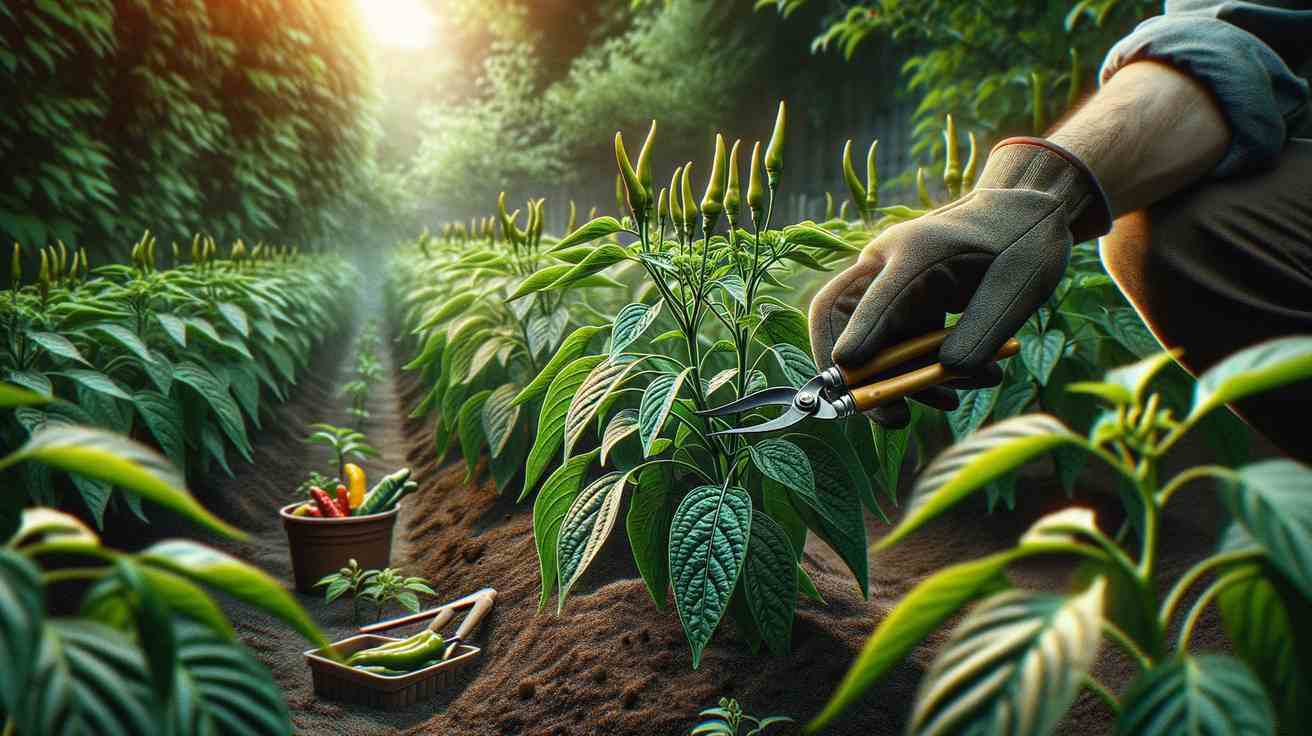
Timing is key when it comes to removing the first flowers. This should be done as soon as the first flowers appear and before they can set fruit. Use a pair of clean, sharp scissors or pruning shears to snip the flowers off at the base. Be careful not to damage the surrounding leaves or stems.
Ongoing Maintenance
After the initial removal of flowers, continue to monitor your pepper plants for new blooms. It might be necessary to remove additional early flowers to maintain the plant’s focus on vegetative growth. Keep the plant well-watered and fertilized to support its development.
Environmental Considerations
Consider the growing conditions in your area. In regions with shorter growing seasons, delaying flower development can provide significant benefits by ensuring the plant has adequate time to mature. In warmer climates, where the growing season is longer, the need for flower removal may not be as pressing, but it can still enhance plant vigor and yield.
Advantages of Flower Removal
Increased Fruit Size
By delaying initial fruit set, the plant can allocate more resources to fewer fruits, often resulting in larger-sized peppers. This is especially beneficial for varieties known for their size, such as bell peppers.
Enhanced Plant Health
A well-balanced plant that has not been prematurely stressed by fruit production is generally more resilient to pests and diseases. The increase in foliage can also improve photosynthesis, contributing to overall plant health.
Longer Harvest Period
Encouraging the plant to grow larger before setting fruit can extend the harvest period. This means you’ll be picking fresh peppers over a longer period, maximizing the utility of your garden space.
Common Misconceptions
Yield Reduction Concerns
One common concern among gardeners is that removing early flowers might reduce the total number of fruits. However, experienced gardeners find that the practice actually improves the total yield by allowing the plant to mature more fully before fruiting.
Stress on the Plant
Some fear that removing flowers might stress the plant. In reality, strategic flower removal can alleviate the stress associated with premature fruiting, allowing the plant to mature naturally.
Alternatives and Complementary Practices
Pruning and Pinching
In addition to removing early flowers, regular pruning and pinching of pepper plants can help shape the plant and encourage bushier growth. This practice can further enhance the plant’s ability to support a large number of fruits.
Fertilization and Soil Management
Ensuring your pepper plants have access to nutrient-rich soil can amplify the benefits of flower removal. Use a balanced fertilizer and amend the soil with organic matter to provide the necessary nutrients.
Conclusion
Removing the first flowers from pepper plants may seem counterintuitive, but it is a time-tested practice that can significantly enhance plant growth and fruit yield. By focusing the plant's energy on developing a strong root system and robust foliage, gardeners set the stage for a more productive harvest. This technique, combined with proper care and environmental considerations, can lead to healthier plants and a more bountiful garden.
FAQs
-
Why do some gardeners not remove the first flowers?
- Some gardeners in longer growing seasons may not find it necessary, as their plants have more time to mature.
-
Does removing the first flowers guarantee a larger yield?
- While not guaranteed, many experienced gardeners report improved yields with this practice.
-
Can flower removal be beneficial for all types of peppers?
- Yes, both hot and sweet peppers can benefit from early flower removal.
-
How many times should I remove flowers?
- Typically, just the first set of flowers is removed, but monitoring for additional early blooms can be beneficial.
-
Is flower removal necessary for container-grown peppers?
- It can be beneficial, as container-grown peppers often have limited resources and space.
-
Will removing flowers delay my harvest?
- It may delay the initial harvest, but can extend the overall harvest period.
-
Can I remove flowers with my fingers?
- It’s better to use clean, sharp scissors or shears to avoid damaging the plant.
-
What if my plant is already fruiting heavily?
- At that stage, it’s best to focus on supporting the plant with proper care rather than removing flowers.
-
Should I fertilize immediately after removing flowers?
- Yes, providing nutrients can help the plant recover and continue growing vigorously.
-
Can I apply this technique to other fruiting plants?
- Similar principles can apply, but results can vary depending on the plant species.
Discussion (0)
No comments yet. Be the first to start the conversation!
Leave a Reply