
Burying Banana Peels: An Unexpected Gardening Adventure
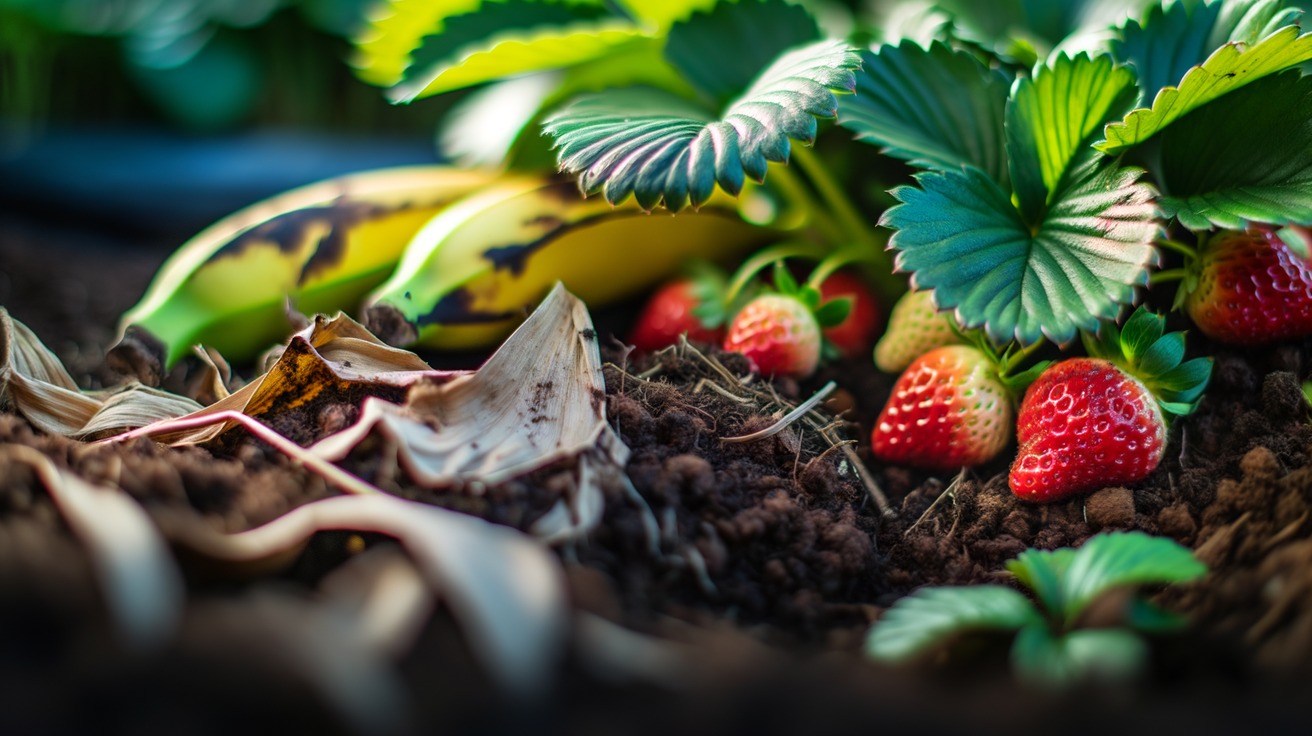
It was a calm Saturday morning when I first decided to bury banana peels around my strawberry plants. The idea seemed as simple and sweet as the ripe banana I’d just enjoyed—an organic fertilizer rich in potassium and other nutrients to enrich my soil. Little did I know that this innocent endeavor would lead me into a whirlwind of garden chaos, filled with unexpected twists and newfound wisdom.
As I dug a shallow trench around my luscious strawberry plants, a wave of nostalgia washed over me. I remembered visiting my grandmother’s garden as a child, watching her bury scraps with the same tender precision. She would sing old folk songs as she worked, each note intertwining with the scent of rich, earthy soil. Her garden thrived, much like my own budding sanctuary, nestled behind the red picket fence.
With a heart full of memories and hands full of optimism, I gently laid the banana peels to rest beneath the soil. I wouldn’t have believed it then, but this small act would soon transform my tranquil garden into a landscape of lively chaos and surprising natural phenomena.
The Benefits of Burying Banana Peels
Understanding the Nutrient Boost
Banana peels are a gardener’s hidden treasure trove, teeming with nutrients like potassium, phosphorus, calcium, and magnesium. These elements are crucial for plant growth and vitality. Potassium, in particular, helps plants transfer nutrients internally, bolster disease resistance, and improve fruit quality and production.
I anticipated that my strawberries would flourish under this enhancer, turning sweet and succulent. But as I watched with eager eyes, my strawberries began a journey far more complex than I ever expected.
The Role of Phosphorus
While potassium strengthens plant processes, phosphorus plays a pivotal role in photosynthesis and energy transfer. Banana peels, therefore, provide a balanced nutrient infusion that should ideally support robust plant health and abundant fruiting.
The Sudden Onset of Garden Chaos
An Unplanned Feast: The Pest Invasion
Barely a week into my experiment, the once serene landscape became a battleground for an invasive army of curious wildlife. Squirrels, possums, and even neighborhood cats were drawn to the alluring aroma of decaying peels. Each visit left the soil disturbed, my garden tools knocked over, and some cherished strawberry buds trampled.
The Unexpected Bacterial Bloom
While I grappled with the new wildlife visitors, another phenomenon brewed beneath my feet. The natural decomposition of banana peels fostered a microbial explosion. Beneficial bacteria and fungi flourished, which thrilled me initially. However, the rapid increase in microbial activity soon led to competition for resources, leaving my strawberries occasionally overshadowed by an overzealous microbial workforce.
Odor and Overabundance
By the time the second week rolled around, I was greeted by an unexpected aroma every morning—a pungent reminder of buried riches. What was meant to be a nutrient ally had inadvertently turned into a battle with unwelcome smells. And as if on cue, the proliferation of fungi even led to a brief episode of mold on the soil surface, threatening my beloved berries.
Lessons Learned and Garden Management Strategies
Redirecting the Wildlife Drama
Determined not to let my garden transform into a wildlife paradise without boundaries, I set out to develop a strategy. By redirecting critters with a dedicated compost pile in a distant part of the garden, I slowly reclaimed my strawberries’ territory. Installing physical barriers and utilizing sensory deterrents helped restore a sense of peace.
Balancing Microbial Life
To manage microbial vigor, I began incorporating carbon-rich materials such as dried leaves and wood chips along with the peels. This helped balance the carbon-to-nitrogen ratio, ensuring my microbial helpers supported rather than overwhelmed strawberry growth, creating a more harmonious underground ecosystem.
Adjusting Techniques for Odor Control
I started pre-composting my banana peels in a controlled environment before introducing them to my garden. This reduced the robust odor and initiated decomposition on a smaller, less disruptive scale.
The Road to A Flourishing Garden
Despite the turmoil, the banana peel experiment ultimately enriched the soil, and my strawberries grew stronger and more vibrant. The chaos taught me resilience, adaptability, and a deeper understanding of the complexities woven into every inch of my garden.
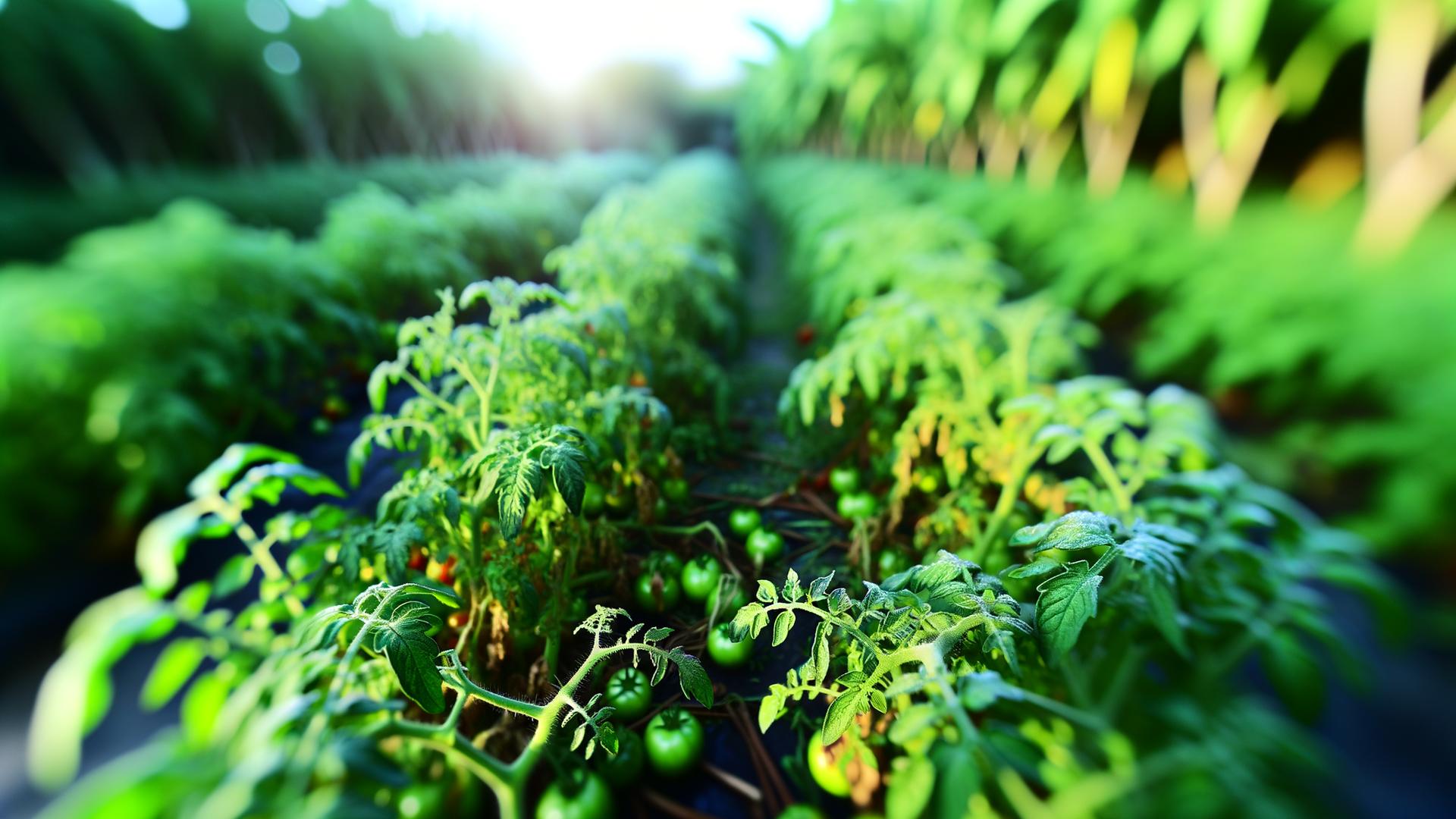
These experiences fostered not only a hardier garden but a seasoned gardener in me, braver and more informed, ready to take on new innovative challenges. As I stand today amongst the rows of my garden, I can’t help but feel a renewed connection with nature—its secrets, its beauty, and even its unpredictability.
FAQs
What nutrients do banana peels add to the soil?
Banana peels are rich in essential nutrients like potassium, phosphorus, calcium, and magnesium, all of which support plant health and growth.
How can I prevent wildlife from being attracted to buried banana peels?
Creating a dedicated compost area away from key plants and using barriers can help manage wildlife interest in buried banana peels.
Is there an odor associated with decomposing banana peels?
Yes, decomposing banana peels can produce an odor. Pre-composting or burying deeper can minimize this effect.
How do banana peels affect microbial life in the soil?
Banana peels foster increased microbial activity, which can enhance soil health but may require balancing with carbon-rich materials.
Can banana peels cause mold in the garden?
If not properly balanced or buried deeper, the decomposition of banana peels can sometimes lead to mold on the soil surface.
Should banana peels be composted before adding to the garden?
Pre-composting banana peels can reduce odors and initiate decomposition, making them less disruptive when added to the garden.
Are there alternative organic fertilizers to consider alongside banana peels?
Other options include composted kitchen scraps, grass clippings, or dedicated organic fertilizers to support plant health.
How often should I add banana peels to my garden?
To prevent overwhelming the soil, bury banana peels once every couple of weeks and monitor plant and soil response.
Can banana peels help deter pests?
While they primarily nourish plants, the scent and decomposition can sometimes attract rather than deter pests if not managed properly.
What can be learned from unexpected gardening outcomes like this?
Unexpected outcomes highlight the importance of adaptability, experimentation, and learning in gardening to improve techniques and outcomes.
Discussion (0)
No comments yet. Be the first to start the conversation!
Leave a Reply