
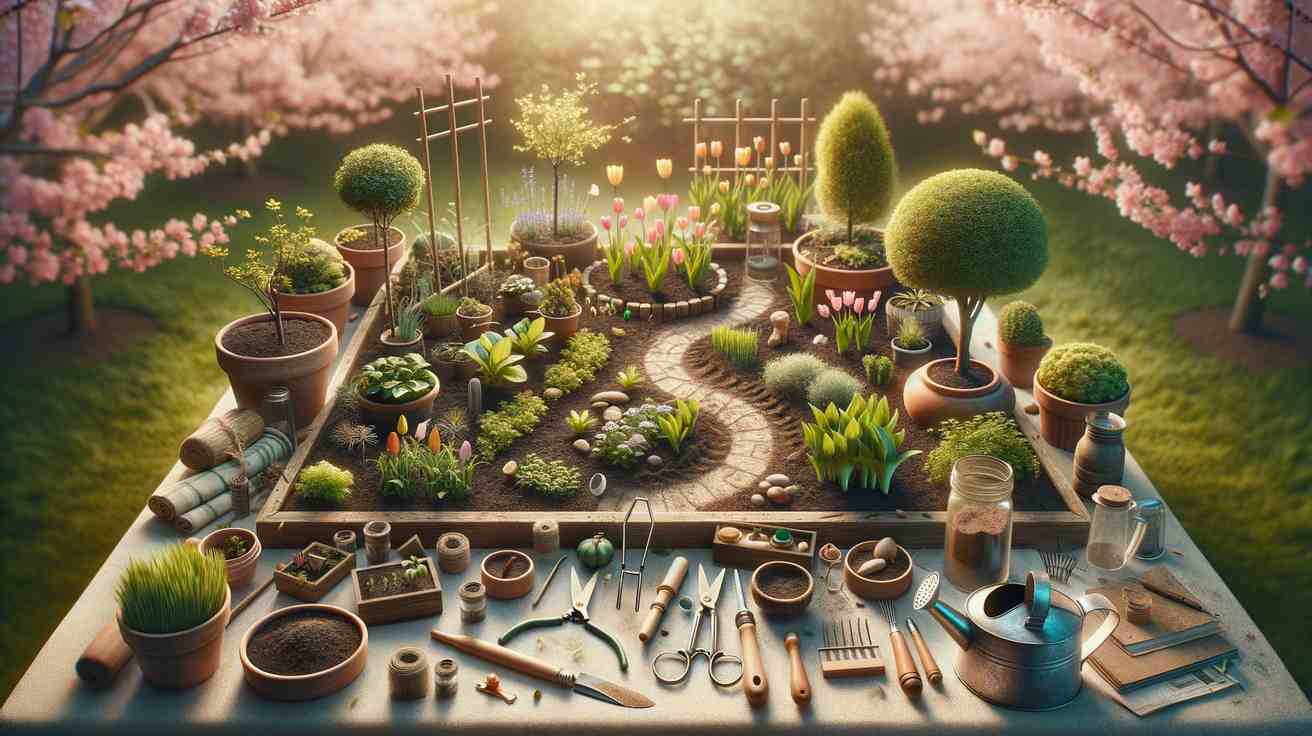
Warm minimalism, a design ethos celebrated for its simplicity and comfort, is finding its way into our gardens this spring. As the world continues to embrace the beauty of less, this gardening trend is not just about reducing clutter—it's about enhancing the natural allure of outdoor spaces with intention and warmth. In this article, we'll explore how this design philosophy translates into real gardens, including practical tips on how to implement warm minimalism in your own green sanctuary.
Understanding Warm Minimalism
The Essence of Warm Minimalism
Warm minimalism is a design style that combines clean lines and minimalist principles with a welcoming, cozy aesthetic. Unlike traditional minimalism, which can sometimes feel stark or cold, warm minimalism incorporates natural materials, soft textures, and a restrained color palette to evoke a sense of tranquility and connection to nature.
Why It Works in Gardens
Gardens are inherently places of life and growth, so the warm minimalist approach works particularly well outdoors. By focusing on natural elements and reducing visual clutter, gardens can become serene retreats that invite relaxation and contemplation. This style encourages the gardener to embrace simplicity while still celebrating the lushness and diversity of the natural world.
Elements of a Warm Minimalist Garden
Natural Materials
To create a warm minimalist garden, start by choosing natural materials like wood, stone, and clay. These materials blend seamlessly with the landscape and age gracefully over time, adding character and depth to your garden.
- Wood: Use untreated or lightly treated wood for decking, fences, and furniture. Look for woods that develop a beautiful patina as they weather.
- Stone: Incorporate stones in pathways, borders, or as focal points. Choose stones that reflect the local geology to maintain a cohesive look.
- Clay: Terracotta pots are excellent for warm minimalist gardens, providing earthy tones and a rustic charm.
Thoughtful Plant Selection
When selecting plants for a warm minimalist garden, opt for native species and perennials that thrive in your climate. This approach not only reduces maintenance but supports local ecosystems.
- Grasses: Ornamental grasses like miscanthus or fountain grass add texture and movement.
- Shrubs: Consider shrubs like boxwood or hydrangeas that offer structure and seasonal interest.
- Trees: Trees like Japanese maple or olive trees provide dappled shade and architectural interest.
Controlled Color Palette
A warm minimalist garden employs a controlled color palette to create harmony and cohesion. Stick to a few complementary colors to maintain a sense of unity.
- Earth Tones: Browns, greys, and greens form the backbone of the palette.
- Accent Colors: Use muted accent colors like sage, terracotta, or soft whites to add depth without overpowering the space.
Simplified Layout
A simplified layout is crucial for a warm minimalist garden. Focus on clean lines and open spaces to allow the garden to breathe and flow naturally.
- Pathways: Design straightforward pathways that guide the eye and foot through the garden. Gravel or stone is ideal for a natural look.
- Zones: Create distinct zones for different activities, such as a seating area, a small herb garden, or a meditation corner.
Implementing Warm Minimalism in Your Garden
Planning Your Space
Before you begin transforming your garden, take time to plan. Consider the size and shape of your space, and how you want to use it.
- Make a sketch of your garden, noting existing features like trees and shrubs.
- Identify areas that can be simplified or decluttered.
- Think about how light moves through your space and plan plant placement accordingly.
Choosing the Right Plants
When selecting plants, prioritize those that are low-maintenance and well-suited to your environment. This not only aligns with the minimalist ethos but ensures your garden remains sustainable.
- Native Plants: These are adapted to local conditions and support wildlife.
- Drought-Tolerant Plants: Perfect for reducing water usage, options include lavender and succulents.
- Seasonal Interest: Choose plants that offer interest throughout the year, such as evergreens or plants with interesting bark or foliage.
Incorporating Natural Materials
Introduce natural materials thoughtfully to enhance your garden's aesthetic and functionality.
- Mulch Paths: Use bark mulch or gravel for pathways, which are both cost-effective and sustainable.
- Stone Features: Create a seating area with stone or a fire pit to add warmth and functionality.
- Wood Elements: Consider a wooden bench or pergola for a touch of natural elegance.
Maintaining Simplicity
Maintenance is key to preserving the minimalist look. Regular upkeep will ensure your garden remains a tranquil retreat.
- Pruning: Keep plants tidy by pruning regularly to maintain their shape and health.
- Weeding: Stay on top of weeds to prevent them from disturbing the clean lines of your garden.
- Seasonal Cleanup: Remove dead plant material to keep the garden looking fresh and uncluttered.
Enhancing the Experience
Adding Personal Touches
While minimalism emphasizes simplicity, don't hesitate to add personal touches that reflect your personality and style.
- Art and Sculpture: Select pieces that complement the natural materials and colors of your garden.
- Lighting: Use soft lighting to create a warm ambiance in the evening. Solar-powered lights are a sustainable choice.
- Textiles: Introduce cushions or throws in natural fibers for comfort in seating areas.
Creating a Connection with Nature
A successful warm minimalist garden fosters a deep connection with nature, encouraging mindfulness and relaxation.
- Wildlife-Friendly Features: Incorporate bird feeders or a small water feature to attract wildlife.
- Mindful Spaces: Designate areas for meditation or contemplation, perhaps with a bench or a hammock.
Sustainability Considerations
Warm minimalism inherently supports sustainable practices by emphasizing quality over quantity and durability over disposability.
- Composting: Integrate a composting system to manage garden waste and enrich your soil.
- Water Conservation: Use rain barrels to collect water for irrigation and choose drought-resistant plants to minimize water use.
FAQs
1. What is warm minimalism in gardening?
Warm minimalism in gardening is a design approach that combines minimalist principles with natural, cozy elements to create a tranquil outdoor space.
2. How can I choose the right plants for a warm minimalist garden?
Opt for native and low-maintenance plants that thrive in your climate, focusing on a controlled color palette and plants that offer year-round interest.
3. What materials are best for a warm minimalist garden?
Natural materials like wood, stone, and clay are ideal for a warm minimalist garden, as they blend with the natural environment and age beautifully.
4. How do I maintain a warm minimalist garden?
Regular pruning, weeding, and seasonal cleanups are essential to maintaining the simplicity and elegance of a warm minimalist garden.
5. Can I still add personal touches to a minimalist garden?
Yes, personal touches such as art, soft lighting, and textiles in natural fibers can enhance the warmth and personality of your garden.
6. How do I create zones in my garden?
Use pathways and natural barriers to define distinct areas for different activities, like seating areas or herb gardens, while maintaining an open flow.
7. What role does color play in a warm minimalist garden?
A controlled color palette helps create harmony and cohesion, focusing on earth tones and muted accents to enhance the garden's natural beauty.
8. How can I incorporate sustainability into my garden design?
Use sustainable practices like composting, water conservation, and choosing durable materials that reduce environmental impact.
9. What are some examples of wildlife-friendly features?
Incorporate bird feeders, water features, or native plants that provide food and habitat for local wildlife.
10. Can a small garden work with warm minimalism?
Absolutely. Small gardens can benefit from warm minimalism by using space efficiently and focusing on quality over quantity.
Discussion (0)
No comments yet. Be the first to start the conversation!
Leave a Reply