

Unlocking Garden Bliss: My Journey to No-Till Beds and the Secrets Behind Their Success
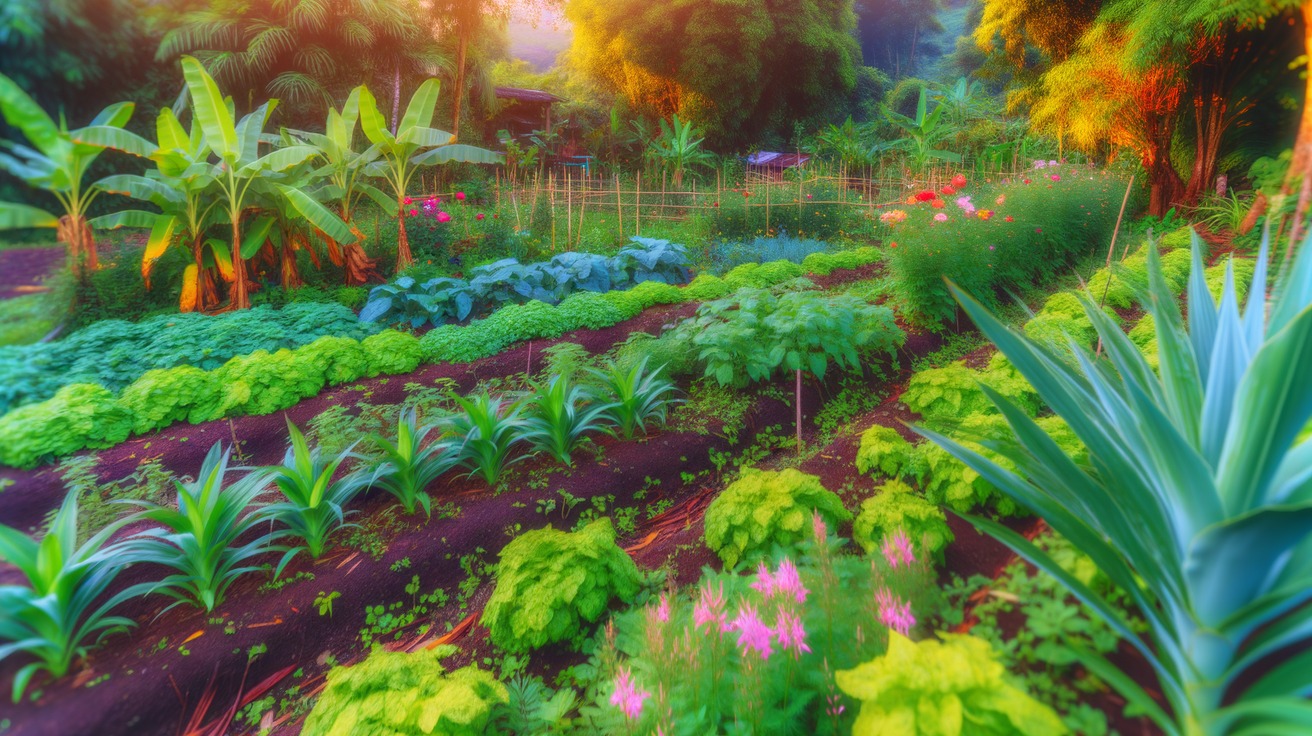
Every gardener has a moment of epiphany, a turning point when all the pieces of the horticultural puzzle come together in perfect harmony. For me, it was the early morning raindrops dancing softly on the leaves of my experimental no-till bed. As the sun peeked through the clouds, illuminating my lush garden, a sense of profound achievement washed over me. This was the moment I discovered the true power of no-till gardening, and it changed my life forever.
I recall my early days of gardening, battling with the elements, the pests, and most notably, my own misconceptions. It was exhausting tilling the soil year after year, as I was taught to believe that breaking the ground was synonymous with a successful garden. Yet, my plants looked tired, the earth beneath them even more so—stiff and lifeless. Desperate for a change, I stumbled upon the concept of no-till gardening, a practice known for revitalizing soil and boosting plant health. Skepticism crept in alongside curiosity. Could it truly be this simple?
Embarking on this journey was a leap of faith. But as I embraced the philosophy of working with nature, rather than against it, a remarkable transformation began. My garden flourished in ways I never thought possible. Let me take you through this incredible voyage, sharing the secrets of no-till gardening that I learned along the way.
Understanding No-Till Gardening
What is No-Till Gardening?
No-till gardening is an agricultural practice that foregoes the traditional method of tilling—a process that involves turning and disturbing the soil. Instead, the no-till approach emphasizes minimal disturbance of the soil and promotes natural processes that nourish plant life. By stacking layers of organic material on top of the soil, we create an environment where plant roots can spread without encountering compacted earth, allowing for healthier growth and a robust ecosystem.
Why Choose No-Till?
The benefits of no-till gardening are profound. These practices improve soil health, increase water retention, and boost biodiversity. No-till beds create a symbiotic relationship between the soil's natural microorganisms, earthworms, and your plants, resulting in a self-sustaining system.
Transitioning to No-Till
Preparing Your Garden Bed
The initial step in transitioning to a no-till garden is preparing your current garden bed. Begin by ceasing all tilling activities. Allow the existing soil bed to settle and strengthen its natural composition. Remove obvious weeds or cover them with a thick layer of biodegradable cardboard to suppress their growth.
Building a No-Till Bed
Building a no-till bed is akin to creating a lasagna garden. Start with a layer of organic matter, such as shredded leaves, straw, or grass clippings. Follow with a layer of compost or well-rotted manure. This alternate layering acts as your soil builder, decomposing over time to provide vital nutrients to your plants.
Selecting the Right Materials
Choosing materials is a vital decision. For a successful no-till bed, opt for materials that break down easily. Organic compost, straw, coffee grounds, and wood chips are excellent choices. The closer these materials are to their natural state, the better they will foster microbial activity and soil health.
Caring for No-Till Beds
Watering and Fertility
No-till gardens are lauded for their water efficiency. The mulch layer retains moisture effectively, reducing the need for frequent watering. This retention capacity is an advantage during dry spells. When fertilizing your no-till bed, continue to use organic fertilizers. These aid in maintaining soil nutrition without disrupting the established ecological balance.
Managing Weeds
One of my greatest fears before adopting no-till methods was the specter of weeds taking over. Much to my pleasant surprise, the thick mulch layers of organic material I applied suffocated many potential intruders, sparing me from hours of weeding. When weeds do appear, they are often easily removed by hand due to the loose, fertile soil.
Protecting and Enriching Soil Life
At the heart of no-till gardening is the protection of soil life. Earthworms, fungi, and bacteria form a rich tapestry that keeps your plants healthy. Applying a no-till method respects and nurtures these organisms. Supplementing your efforts with periodic compost tea applications further enhances soil fertility.
Success Stories and Challenges
My Garden's Transformation
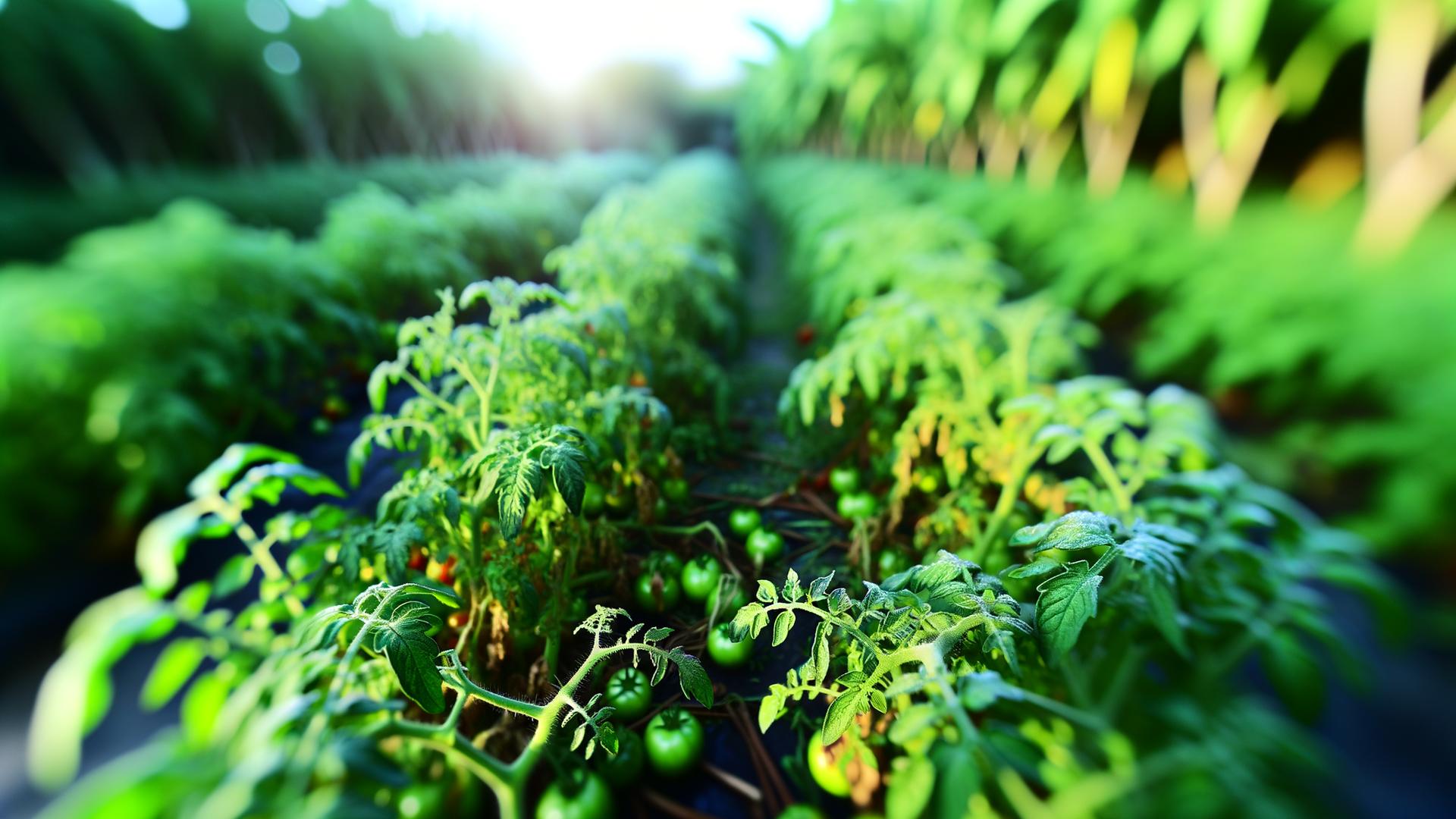
Adopting no-till was indeed transformative. Watching my garden evolve from strained, patchy plots into a thriving biodiversity web was surreal. My tomatoes grew larger, and my herbs more aromatic. As the structure of my soil improved, so did the quality of produce.
Common Challenges
As rewarding as no-till gardening is, it is not without its challenges. Transitioning from traditional methods can take time, and patience is key. Understanding the unique rhythm of your garden's growth cycle may also require close observation. Incorporating cover crops like clover or rye during off-seasons can bind nitrogen, ensuring the soil remains fertile.
FAQs About No-Till Gardening
-
What are the key benefits of no-till gardening?
- No-till gardening improves soil structure, increases water retention, and enhances organism biodiversity, leading to thriving plants.
-
Can I transition my traditional garden to no-till?
- Absolutely. By halting tilling, layering organic materials, and patiently allowing nature to take its course, you can transition successfully over time.
-
Do I need special tools for no-till gardening?
- The beauty of no-till lies in its simplicity. You need fewer tools, typically just hand equipment for planting and maintaining the garden.
-
How do no-till gardens handle pest problems?
- The increased organism diversity in no-till gardens often results in better natural pest control, reducing the need for chemical interventions.
-
How soon will I see results after adopting the no-till method?
- Results vary, but most gardeners notice improved soil quality and healthier plants within the first growth season.
-
Can I use no-till methods in raised beds?
- Yes, no-till is ideal for raised beds. It requires minimal disturbance, making it perfect for tight spaces.
-
What is the role of fungi in no-till gardens?
- Fungi break down organic matter, facilitating nutrient exchange between the soil and plants. It's essential for plant health and resilience.
-
How do I address compaction in older lawns turned no-till gardens?
- Introduce a few years of organic mulch layers, potentially enhanced by light aeration with a garden fork to slowly improve compaction.
-
What makes no-till beds efficient in water use?
- The mulch layers retain moisture effectively, reducing evaporation and ensuring plants have consistent access to water.
-
Is no-till gardening suitable for all types of plants?
- Most annuals, perennials, and vegetables thrive in no-till settings. Adjustments may be needed for root crops to ensure adequate soil depth.
Discussion (0)
No comments yet. Be the first to start the conversation!
Leave a Reply