Unlock the Secret: The Must-Have Native Plant Your Local Bees are Craving!
A Personal Journey: Discovering the Missing Piece in My Garden
It was a warm spring evening when the idea first took root. I was sitting on my patio, sipping tea, and admiring the beauty of my rather well-planned garden. Each plant was meticulously chosen, from the vibrant petunias to the hardy marigolds. But there was a problem, a mystery even the most seasoned gardener might overlook. My garden was silent. Not the peaceful kind of quiet, but the absence of a particular melody – the gentle hum of bees.
I had heard whispers of dwindling bee populations, but never thought my small plot would manifest this silent crisis. Frustrated and curious, I decided to delve deeper into what was missing. It wasn’t until a neighbor shared her experience with local native plants that I found my answer. My garden lacked key native species that local bees couldn’t resist, crucial for their survival and my garden’s health.
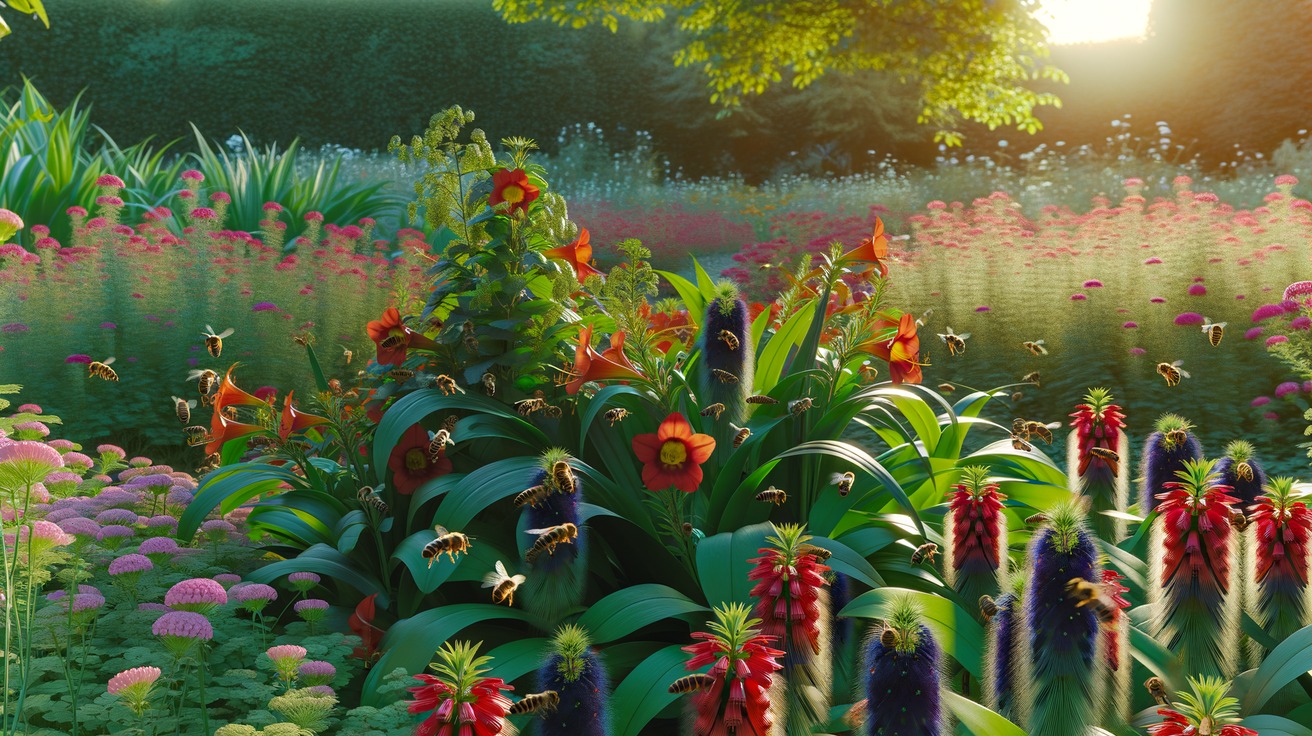
With newfound determination, I embarked on a quest to integrate native plants into my landscape. This decision transformed my garden into a thriving ecosystem buzzing with life. And so, I want to share this journey with you and reveal the secret that turned my silent sanctuary into a symphony of bees.
Understanding the Buzz: Why Native Plants Matter
Native plants have evolved alongside local bees, fostering a symbiotic relationship that is crucial for both the plants and the bees. Embracing native flora can revitalize your garden and significantly support the local bee population.
The Role of Native Plants in the Ecosystem
Native plants offer more than just beauty. They provide essential nectar and pollen, the primary food sources for bees. These plants are genetically adapted to thrive in local soil and climate conditions, offering a sustainable solution for your garden.
The Threat to Bee Populations
The decline in bee populations has far-reaching implications. Agricultural dependency on bee pollination means that without them, our food systems face a critical threat. Supporting bees through native plant gardening is a simple yet impactful way to contribute to environmental conservation.
Introducing the Must-Have Native Plant: Meet the Wild Bergamot
So, what is the secret weapon against a quiet garden? Allow me to introduce you to Wild Bergamot (Monarda fistulosa), a plant that is as beneficial as it is beautiful.
About Wild Bergamot
Wild Bergamot, commonly known as bee balm, is a perennial herb belonging to the mint family. Its fragrant, lavender blooms are not only captivating but also highly attractive to various pollinators, including bees, butterflies, and hummingbirds.
Why Local Bees Crave Wild Bergamot
The aromatic blooms of Wild Bergamot produce a high yield of nectar, a prized resource for bees. This makes it an ideal addition for any gardener aiming to create a bee-friendly environment. Its ability to attract long-tongued bees, like the bumblebee, is particularly noteworthy.
Cultivating Your Wild Bergamot
Planting and Care
Growing Wild Bergamot is surprisingly straightforward. Here’s how you can incorporate it into your garden:
- Location: Choose a bright, sunny spot. Though it can tolerate partial shade, full sun enhances flowering.
- Soil: Well-drained soil is ideal. Incorporate compost to improve soil fertility if necessary.
- Watering: Water young plants regularly. Once established, they are quite drought-tolerant.
Maintenance Tips
- Pruning: Deadhead flowers to encourage continuous blooming.
- Dividing: Every few years, divide the plants to promote vigor and prevent overcrowding.
- Pest Control: While Wild Bergamot is generally pest-resistant, occasional monitoring for powdery mildew is advisable.
The Ecological Benefits of Native Plant Gardens
Aside from supporting local bee populations, planting natives like Wild Bergamot offers numerous ecological benefits.
Promoting Biodiversity
Native plant gardens enhance biodiversity by supporting a wide range of wildlife, including birds and beneficial insects. This balance is pivotal in maintaining a thriving ecosystem.
Reducing Environmental Impact
Native plants require fewer resources. Their adaptation to local conditions means reduced need for water, fertilizers, and pesticides, aligning with sustainable gardening practices.
FAQs About Native Plant Gardening for Bees
1. What are native plants?
Native plants are species that have naturally occurred in a region for thousands of years, adapted to the local environment without human intervention.
2. How do native plants benefit bees?
Native plants provide familiar and essential food sources (nectar and pollen) for local bees, aiding in their nourishment and reproductive success.
3. Why is Wild Bergamot a must-have for bees?
Wild Bergamot's rich nectar supply is particularly appealing to a variety of bee species, making it an effective natural attractant.
4. Can I grow Wild Bergamot in a pot?
Yes, Wild Bergamot can be grown in containers, provided they have adequate drainage and are situated in a sunny location.
5. What blooming season does Wild Bergamot have?
Wild Bergamot typically blooms from mid-summer to early fall, offering extended nectar availability.
6. Do native plants require special soil?
While they can thrive in average garden soil, well-drained soil is recommended to maximize their growth potential.
7. How do I prevent disease in Wild Bergamot?
Ensuring good air circulation and avoiding overhead watering help prevent powdery mildew, a common issue with bee balm.
8. Will native plants attract pests?
Native plants are generally more resistant to pests and diseases, thanks to their adaptation to local environments.
9. Can native plants coexist with non-native species in my garden?
Absolutely! Integrating native plants with non-native species can create a balanced and diverse garden ecosystem.
10. How can I support local bees beyond planting native plants?
Providing water sources, avoiding pesticides, and maintaining a flowering garden throughout the seasons are excellent practices.
Discussion (0)
No comments yet. Be the first to start the conversation!
Leave a Reply