
Unlock the Secret Kitchen Scrap That Elevates Tomato Sweetness!
It was a sun-kissed afternoon, and I found myself wandering through the tangled rows of my grandmother's lovingly tended garden. Tomatoes, ripe and gleaming, hung like jewels on their vines. As a little girl, I spent countless summers here, discovering the magical world of gardening under her gentle guidance. On that particular day, my grandmother handed me a plump, rosy tomato. "Taste it," she urged with a twinkle in her eye. As the burst of sweetness danced on my tongue, she leaned in and revealed a family secret—a humble kitchen scrap that made all the difference. Little did I know, this nugget of wisdom would become my gardening gospel.
The Magic of Eggshells in the Garden
Understanding the Science
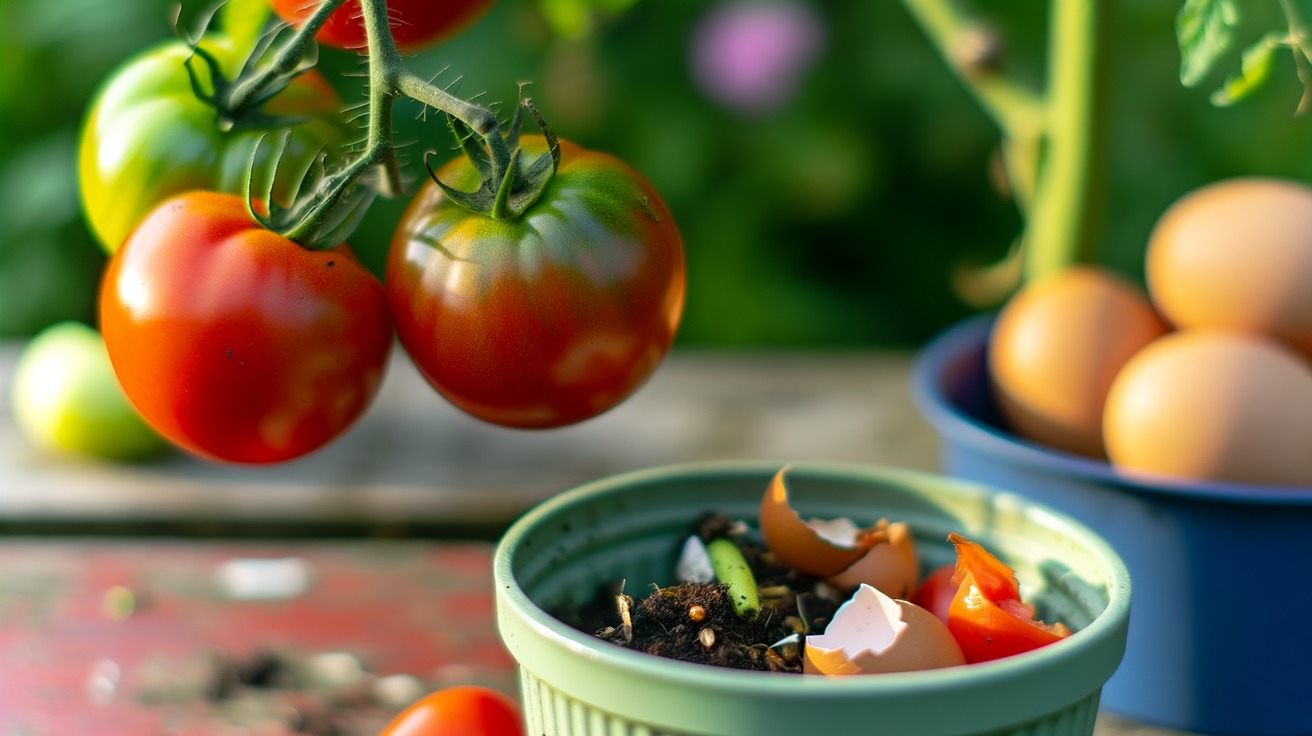
Eggshells are composed primarily of calcium carbonate, a key ingredient in strengthening cell walls. But when these shells find their way into the soil, the magic truly happens. The calcium from eggshells acts as a natural fertilizer, enriching the earth and helping prevent problems like blossom end rot in tomatoes—a common affliction that results in unsightly, rotted spots on the fruit. By maintaining a healthy calcium level in the soil, tomatoes grow stronger and sweeter, benefiting from the strengthened cellular structure.
Preparing Eggshells for the Garden
Using eggshells doesn't require much effort but does need a little preparation. First, collect the shells in a container as you accumulate them. Once you have a decent amount, rinse them to remove any albumen (the egg white), and let them dry. Next, crush the dried shells into small pieces. If you're in the mood for a bit of DIY fun, consider grinding them into a fine powder using a mortar and pestle or a coffee grinder. This increases the surface area and speeds up the rate at which calcium is released into the soil.
Incorporating Eggshells Into the Soil
Planting Time
When it comes time to plant your tomato seedlings, integrate the crushed shells into the soil around the planting hole. A handful of coarse shells or a spoonful of powdered ones should do the trick. Mix them into the soil to give your young tomatoes a head start.
Throughout the Growing Season
Don't stop there! Eggshell supplements can be added to the garden throughout the growing season. Simply sprinkle around the base of the plant and work them into the top layer of soil lightly. Not only do they contribute calcium, but the texture of crushed shells can deter certain pests like slugs, which dislike crawling over the sharp edges.
The Benefits Beyond Tomatoes
Supporting a Biodiverse Garden
Eggshells aren't just a magic bullet for improving tomato sweetness but also a boon for the broader vegetable patch. The calcium and mineral content can benefit peppers, eggplants, and even some flowering plants. Moreover, they help improve soil structure over time, contributing to a richer, more fertile environment for all garden life.
Going Organic with Kitchen Scraps
Nutrient Recycling
Eggshells embody the beauty of organic gardening—closing the loop by recycling kitchen scraps back into the earth. By enriching your garden with natural supplements instead of chemical fertilizers, you support a healthier ecosystem that thrives under natural balances.
A Sustainable Practice
Reducing waste is crucial for sustainable living. By utilizing eggshells in the garden, we're taking a small, yet meaningful, step towards minimizing our ecological footprint. These shards of potential would otherwise end up in landfills, contributing instead to the life-sustaining cycle of growth and nourishment.
Troubleshooting Common Issues
Over-Acidity Concerns
One concern that might arise is soil acidity. However, the relatively neutral pH of eggshells means they aren't likely to significantly alter your soil's pH on their own. Still, it's wise to test soil regularly, especially if you're using eggshells in conjunction with other amendments.
Pest Deterrence Skills
While we mentioned that eggshells can deter soft-bodied pests, they're not a cure-all. For larger, more tenacious garden visitors, consider complementary organic deterrents, such as planting companion plants or using natural sprays.
Key Considerations for Beginner Gardeners
Observing Your Plants
The best garden lessons often spring from observation. Watch how your tomatoes and other plants react to the incorporation of eggshells. Remember that climate, soil type, and plant variety can all affect outcomes.
Experimenting with Quantities
If you're new to gardening, start with moderate amounts of eggshells and gradually adjust based on your plants' performance and soil health feedback. Patience and persistence in observation will pay off.
The Sweet Reward
There's little to rival the satisfaction of plucking a tomato from your garden, knowing it's a fruit of such knowledge and care. By incorporating eggshells, you're nurturing not just your plants, but also a legacy of sustainability and stewardship that blossomed in that sunlit garden of my childhood memories. Sharing these same sweet, sun-warmed tomatoes with friends and family becomes an act of love, stemming from the quiet magic hidden within each eggshell.
FAQs
Can I use eggshells from raw eggs only?
Yes, you can use eggshells from both raw and cooked eggs as long as they are rinsed and dried properly before being crushed.
How long do eggshells take to decompose in the soil?
Crushed eggshells decompose slowly, taking months to years. However, they start releasing beneficial calcium into the soil as soon as they are integrated.
Do you need to rinse eggshells before using them in the garden?
Rinsing is advised to remove egg residue and prevent odor while they break down.
Can eggshells be used to deter all garden pests?
Eggshells primarily deter soft-bodied pests like slugs and snails, but they won't be effective against larger pests such as rodents or birds.
Should eggshells be buried or left on the soil surface?
You can do either, but lightly incorporating them into the soil helps them break down and be more effective sooner.
Can I use eggshell powder as a foliar spray?
Eggshell powder needs to be mixed with water and strained properly to create a foliar spray, but its efficacy is less proven compared to soil application.
Are eggshells sufficient for all plant nutrient needs?
Eggshells offer primarily calcium. While beneficial, they should be part of a balanced approach to fertilization that includes other nutrients.
Is there a risk of bacteria from eggshells?
Properly rinsing and drying eggshells minimizes any risk of bacteria when using them in the garden.
How do eggshells compare to commercial calcium supplements?
Eggshells are a cost-effective, natural alternative, though slower to release calcium compared to synthetic options.
Can I add too many eggshells to my garden?
Moderation is key. Overloading soil with eggshells can create an imbalance or alter soil texture adversely.
Discussion (0)
No comments yet. Be the first to start the conversation!
Leave a Reply