

My Gardening Revelation: The Aspirin Miracle
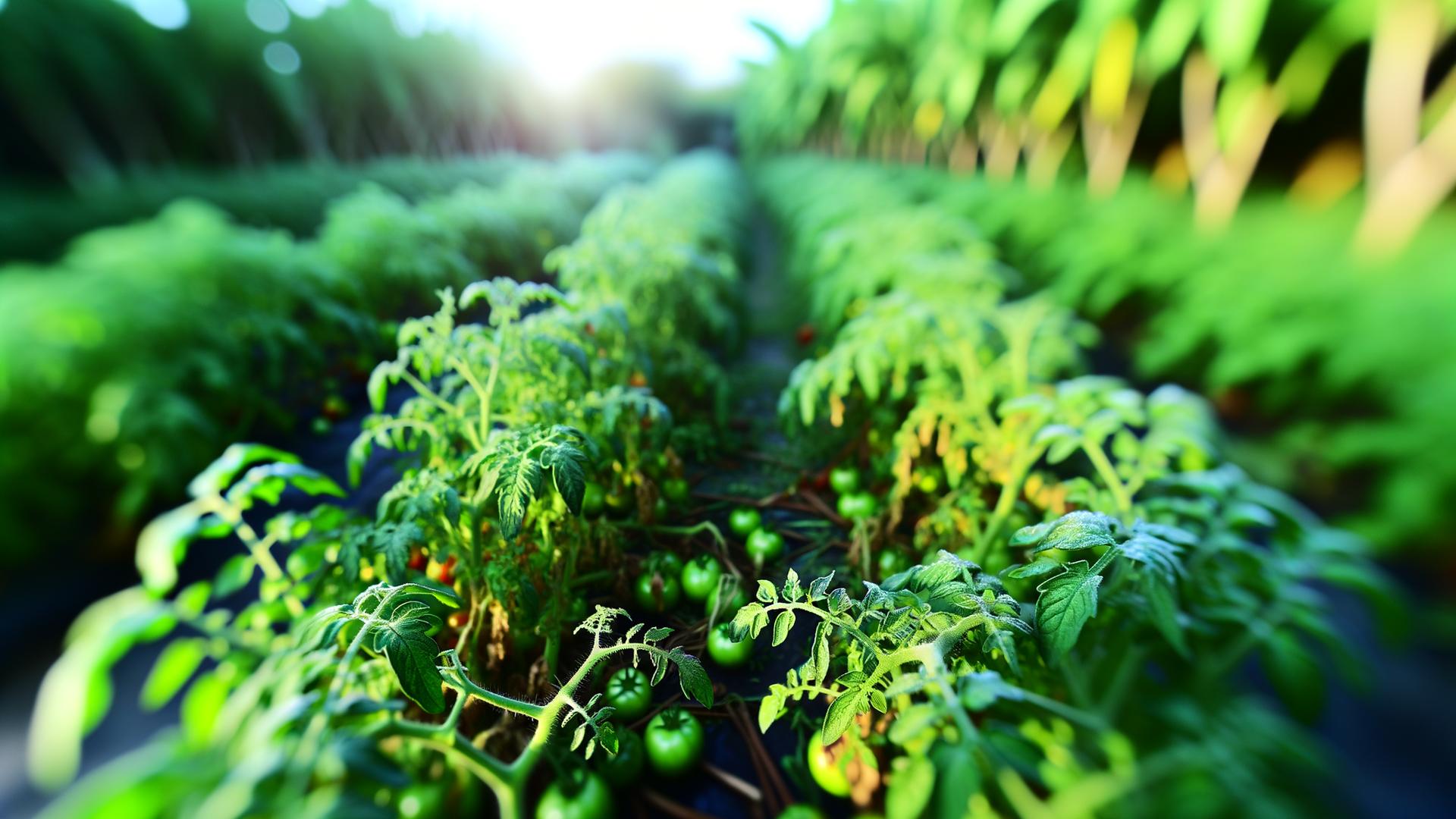
I remember it vividly—it was a misty morning in early spring, my hands chilled by the moist earth as I planted rows of budding tomato seedlings. They were a gift from my grandmother, passed down through family generations like a cherished heirloom. Each delicate plant held the potential for succulent tomatoes that would grace our family's summer dining table. But their survival was new territory for me. That is, until I unearthed an ancient secret that transformed my garden.
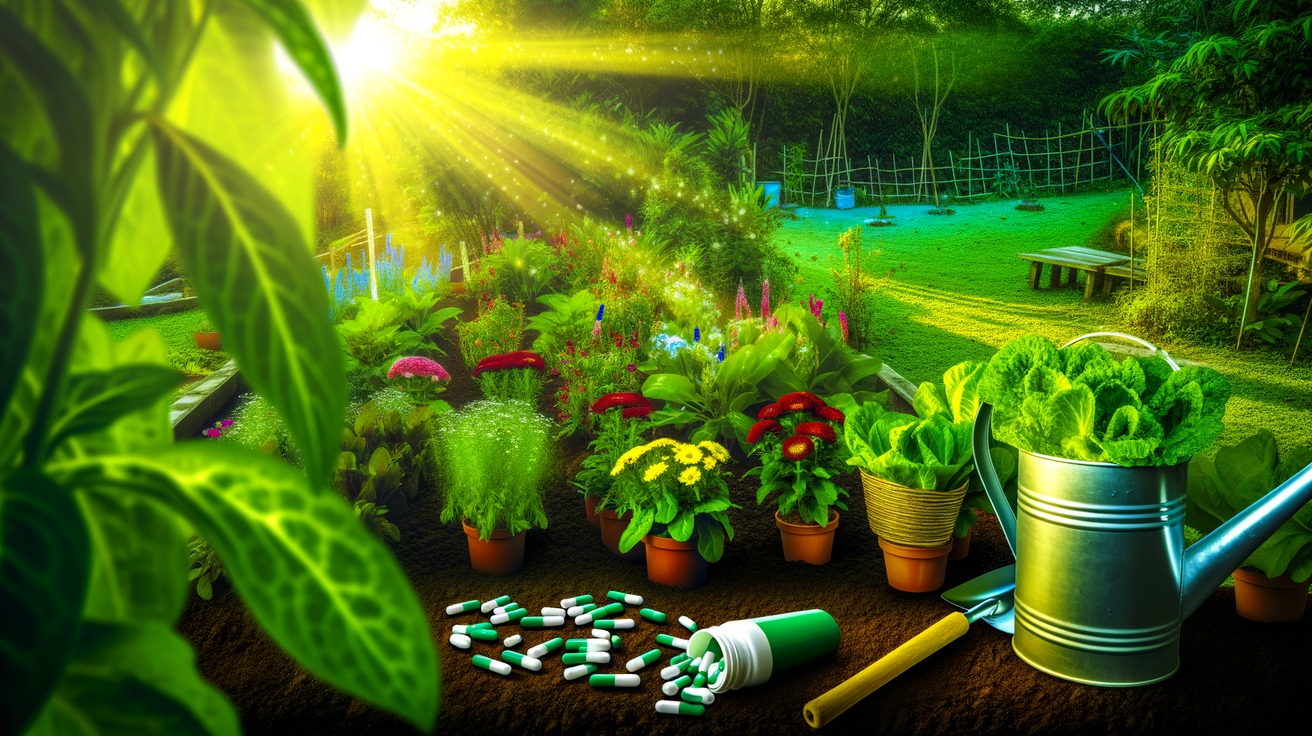
The sleepless nights scouring endless gardening books felt like chasing a mirage until I stumbled upon an age-old remedy shared by my wise neighbor, Mrs. Delaney. A simple suggestion she made over the garden fence that would forever change my gardening journey: aspirin. With skepticism, I dropped a couple of tablets into my watering can, giving my heirloom transplants their first 'aspirin tonic.' The results? A lush and thriving vegetable patch that not only amazed me but reminded me of the power of nature's simple science.
That seemingly ordinary pill, guarded in an unassuming bathroom cabinet, became the key to unlocking robust, disease-resistant, and flourishing plants. This is the story of how aspirin became an indispensable elixir in my green-thumb arsenal—and how you, dear reader, can also harness its power for your garden.
Understanding the Aspirin Phenomenon
The Science Behind Aspirin and Plants
Aspirin, or acetylsalicylic acid, is known for its human health benefits, but when it comes to plants, this humble compound unleashes a different type of magic. Plants naturally produce a hormone called salicylic acid as a defense mechanism against stress and disease. When aspirin is applied to plants, it mimics this hormone, boosting the plant's immune response and providing resilience against pests and disease.
The Historical Roots
The use of salicylic acid can be traced back centuries in plant care. Ancient civilizations knew the properties of willow bark, where salicylic acid is naturally found. Gardeners subtly learned and passed down the technique through generations, a blend of folklore and botany that illustrates the symbiotic relationship between humans and plants.
Aspirin's Garden Benefits
Enhanced Disease Resistance
Aspirin acts as a natural vaccine for plants. When they absorb it, their defense mechanisms strengthen, allowing them to better fend off common diseases such as blight, mold, and mildew. This is particularly crucial for food-producing gardens where health and yield quality are paramount.
Stimulated Growth
Regular aspirin treatments have shown to stimulate a plant's growth hormones, encouraging leafy proliferation and robust root systems. This can lead to a flourishing garden with more abundant blooms and heavier yields.
Improved Photosynthesis
Aspirin can also improve photosynthesis efficiency, ensuring plants utilize light more effectively. This can result in greener foliage and healthier plants overall, creating a more vibrant garden.
How to Use Aspirin in Your Garden
Correct Dosage and Application
The golden rule when using aspirin for plants is moderation. Typically, the ratio is one uncoated aspirin (325 mg) per gallon of water. It’s crucial that the aspirin is fully dissolved to ensure even distribution when applied to the plants.
Foliar Spray
Aspirin's magic can be spread evenly over your plants with a foliar spray. Once every two to three weeks, mist your plants during cooler parts of the day to allow absorption without the risk of burning the foliage.
Soil Drench
For deeper effects, incorporate the aspirin solution directly into the soil. This method encourages strong root development and fortifies plant structures from the ground up.
Plant Types and Considerations
While aspirin is generally safe for a broad range of plants, always test on a small section or a single plant. Sensitive species may have adverse reactions, so cautious experimentation is wise. Remember that seedlings and young plants may require a lower concentration.
Aspirin and Common Garden Challenges
Fungal Diseases and Pests
Preventing diseases like powdery mildew and rust becomes more manageable with regular aspirin application. Moreover, its use can deter pests, although it should not replace organic or chemical pest control entirely.
Drought Resistance
Aspirin can help bolster a plant’s drought tolerance by enhancing water retention capabilities, offering gardeners a supportive tool during dry spells.
Tomatoes: A Favorite Aspirin Candidate
Tomatoes benefit significantly from aspirin's properties, becoming more resistant to diseases such as blight. Regular treatment can lead to stronger plants that yield more fruitful harvests.
Garden Success Stories
Tales from Fellow Gardeners
An elderly gardener, Mr. Grundy, once shared with me how aspirin revived his wilting roses. After just a month of treatment, his rose bushes bloomed with unparalleled vigor, their lush petals becoming the talk of the neighborhood.
Trials and Triumphs
It's crucial to remember that while aspirin can be a miracle worker, successful gardening remains a balanced act of many variables. Consistent and mindful care combined with aspirin's benefits can lead to rewarding outcomes.
FAQ: Your Aspirin Garden Queries Answered
Can I use any type of aspirin for my garden?
A: It's best to use uncoated, non-buffered aspirin. Coatings can reduce its effectiveness for plant use.
How often should I apply aspirin?
A: Every two to three weeks is typically sufficient for most garden plants.
Is it safe to use aspirin on all plants?
A: Generally, yes, but always test on a small area first. Certain sensitive species may react negatively.
Will aspirin affect the taste of fruits and vegetables?
A: Aspirin does not alter the taste but enhances the plant's health, often resulting in better-quality produce.
Can aspirin help with insect infestations?
A: While it can boost a plant's defense, it shouldn't be the sole solution for insect control.
Should I stop using other fertilizers if I use aspirin?
A: No, aspirin should complement your regular gardening regime, not replace it.
How should I store aspirin for garden use?
A: Keep it in a dry, cool place and ensure it remains in its original, uncoated form.
Can aspirin revive dying plants?
A: It can aid stressed plants but is not a guaranteed solution for those already greatly damaged.
What environmental conditions affect aspirin's efficiency?
A: Extreme heat or light can diminish its effectiveness, so apply during cooler parts of the day.
Can aspirin be harmful to beneficial insects or wildlife?
A: When used appropriately, it generally poses little risk to beneficial garden creatures.
Discussion (0)
No comments yet. Be the first to start the conversation!
Leave a Reply