
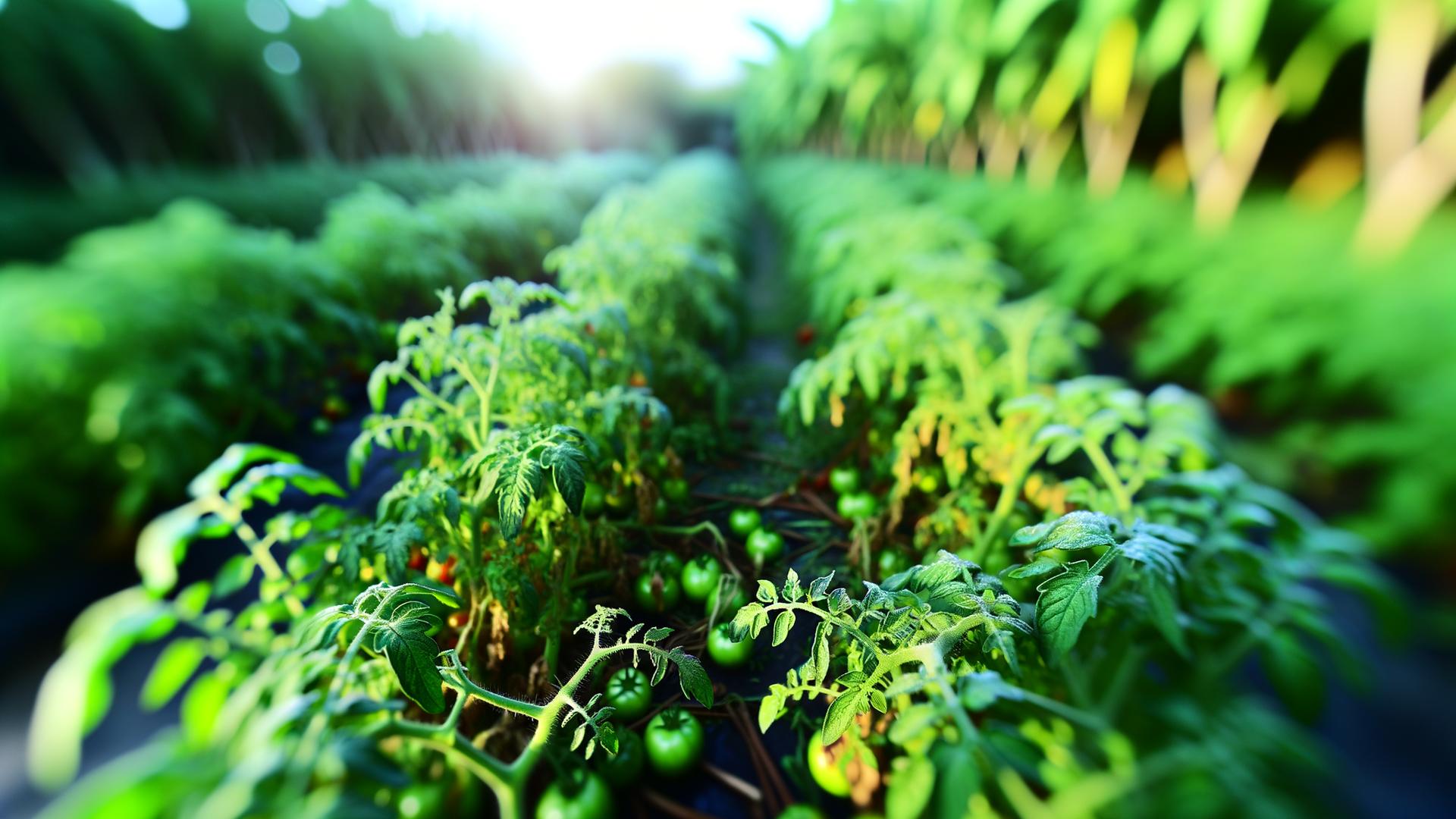


The Personal Journey to a Pest-Free Garden
I remember the first time I attempted to grow a garden that didn't succumb to the usual army of pests. It was my third year of gardening, and each season before had become an unintentional buffet for aphids, slugs, and every other imaginable interloper. My grandmother, a seasoned gardener with hands that smelled perpetually of basil and marigold, watched my struggles with a knowing smile.
One March evening, as the light faded into a gentle twilight, she beckoned me onto her porch, where her own garden stood lush and unblemished. She revealed the secret to her success wasn't in harsh repellents or laborious maintenance, but in understanding the subtle dance of nature—the art of companion planting. This simple but effective approach helped create a harmonious ecological balance that naturally deterred pests.
That year, my garden flourished with vibrant blooms and healthy produce, untouched by unwanted visitors. The joy of watching my plants thrive affirmed what Grandma always believed—partnering the right plants together could potentiate a magical, pest-resistant synergy.
Understanding Companion Planting
What is Companion Planting?
Companion planting is the age-old practice of strategically planting different crops together to enhance growth, maximize space, repel pests, and prevent disease. The idea is to mimic plant communities found in nature, where certain species thrive together more than they could alone.
Certain plants emit natural chemicals that deter harmful insects, while others attract beneficial insects that prey on pests. Some combinations improve nutrient uptake, while others help with pollination or provide a helpful shade canopy.
The Science Behind Companion Planting
Despite its simplicity, the magic of companion planting lies in complex botanical interactions and ecological relationships. Each plant exudes chemicals from its roots and foliage which can attract or repel insects, enhance flavors, and even affect the growth of neighboring plants.
Understanding which chemical compounds work synergistically remains a fascinating area of study but observing and learning from natural plant patterns can offer practical guidance.
The Ultimate Companion Planting Combos to Plant This March
March is an exciting time to delve into companion planting as the soil begins to warm and days lengthen. Here’s a guide to some effective plant arrangements that serve as both a shield and a vibrant addition to your garden.
1. Three Sisters: Corn, Beans, and Squash
The Three Sisters method stems from Native American traditions, embodying a nearly perfect symbiotic relationship:
- Corn: Provides a natural support for the beans to climb, eliminating the need for man-made structures.
- Beans: Fix nitrogen in the soil, enriching it for the other sisters.
- Squash: Spreads across the ground to create a living mulch, preventing weeds and keeping pests away.
2. Basil and Tomatoes
For a flavorful combination with pest-repelling properties, pair basil with your tomato plants. Basil enhances the growth and flavor of tomatoes while repelling flies and mosquitoes, making this duo a must-have in culinary gardens.
3. Cilantro and Spinach
Cilantro, when planted near spinach, attracts beneficial insects like hoverflies and parasitic wasps that prey on aphids—a common spinach pest. Meanwhile, spinach provides the shade cilantro often craves.
4. Carrots and Onions
Carrots and onions make excellent partners. The strong scent of onions masks the smell of carrot plants, confusing the carrot fly, a common threat. In return, carrots improve the conditions for onion growth underground.
5. Marigolds and Cabbages
If cabbages are infested with cabbage moth larvae or aphids, marigolds can be a gardener's hero. Known for their strong scent, marigolds are great for deterring many insect pests while adding a bright touch to your garden.
6. Rosemary and Beans
Rosemary's aromatic oils are a natural deterrent for bean beetles. Plant them close to your bean crops to reduce pest presence while enhancing the flavor of your beans.
7. Nasturtiums and Cucumbers
Consider nasturtiums to fend off aphids, the major pest enemy of cucumbers. Nasturtiums act as a brilliant trap crop, drawing pests away and keeping your cucumbers healthy and productive.
8. Lavender and Lettuce
Lavender's pleasant aroma repels insects that could otherwise feast on tender lettuce leaves. Aesthetically pleasing and practical, this combination creates a serene, pest-free zone in your garden.
9. Yarrow and Aromatic Herbs
Yarrow attracts predatory insects and improves soil fertility while enhancing the growth of nearby aromatic herbs such as oregano, sage, and thyme. This boosts the health and aroma of your herb garden.
10. Chives and Carrots
The vibrant chive flowers act as a deterrent to carrot root flies. Simultaneously, carrots have a positive influence on the chives' growth.
Implementing Your Garden Plan
Step 1: Map Your Garden
Before you plant, draw a map of your garden. Consider where the sunlight hits, the type of soil, and which areas retain moisture. Plan your companion planting combos based on these conditions.
Step 2: Prepare the Soil
Plants thrive in different soils, so amend your garden beds according to their needs. Compost and natural fertilizers create a robust growth medium that enhances plant nutrition.
Step 3: Plant Your Companions
Using your map:
- Plant taller crops like corn in sections where they won’t shade smaller companions needing full sun.
- Interplant shorter crops to take advantage of open spaces, accessing sunlight in between taller varieties.
Step 4: Monitor Growth
Pay attention as your plants grow. Adjust spacing and plant pairings as needed based on what's thriving or struggling.
Step 5: Encourage Beneficial Wildlife
Maintain plants like dill or fennel around your garden perimeter to attract pollinators and predatory insects. These allies naturally regulate pest populations.
FAQs
1. What is companion planting?
Companion planting involves planting different crops together to enhance their growth and resistance to pests and improve space use in your garden.
2. What are the benefits of companion planting?
The benefits include pest and disease control, improved plant health and yield, efficient use of space, and enhanced flavor and growth of certain crops.
3. When is the best time to start companion planting?
The best time to start depends on your growing zone, but generally, March is ideal as it marks the beginning of the planting season for many spring crops.
4. Can any plants be companions?
Not all plants make good companions. Some release chemicals that inhibit the growth of others, so it’s vital to research compatible pairings.
5. What are the most effective companion plants for pest control?
Plants like marigolds, nasturtiums, and basil are effective at repelling a variety of common garden pests.
6. How do I know if companion planting is working?
Signs include healthier plants, fewer pests, and increased productivity in your garden. You may also notice beneficial insects and improved growth patterns.
7. Can companion planting work in small spaces or containers?
Yes, even in small gardens or containers, you can plant compatible low-growing plants with taller ones to maximize space and benefits.
8. What mistakes should be avoided in companion planting?
Avoid planting allelopathic plants like black walnuts, which may inhibit the growth of companions, and always ensure proper spacing to reduce competition.
9. Do all pests get repelled by companion plants?
While companion plants repel many pests, some resilient species might still require additional natural pest management methods.
10. How do companion plants affect soil health?
Many companion plants improve soil health by fixing nutrients, preventing erosion, and increasing organic matter through leaf litter decomposition.