Unlock July's Water-Free Gardening Secret with This March Must-Do!
It was a warm July afternoon. I was stretching in my favorite sun hat, basking in the fragrance of my mature lavender blooming vibrantly against the cerulean sky. As a seasoned gardener, I felt blissfully at home in my garden. But this July, everything was different. My water bill remained astonishingly low despite the sweltering summer heat; my plants thrived without the usual sprinklers and watering cans. Curious neighbors peered over fences, one after the other, asking in amazement, “What’s your secret?”
It all began one crisp March morning. Let me take you on this transformative journey from early spring preparation to a thriving, water-wise summer garden.
The March Must-Do: Preparing the Soil
Understanding Your Soil
March, with its unpredictable weather and renewed life, is the perfect time to test your soil. Knowing your soil’s pH level, nutrient content, and texture unlocks the potential for a robust garden.
- pH Levels: Most plants prefer a neutral pH of 6.0-7.0. Adjust with lime (to raise) or sulfur (to lower) as needed.
- Nutrient Content: Enrich the soil using well-rotted compost, enhancing the organic matter and balancing nutrients.
- Texture: Aim for loamy soil—a balanced mix of sand, silt, and clay. This allows for optimal drainage, which is key for water conservation.
Adding Organic Matter
Adding organic matter is a magical March ritual. For me, this means composting kitchen scraps and mulching fallen leaves over my garden beds. By doing so, I not only enrich my soil but also improve its moisture retention.
- Composting: Partake in the cycle of life by using kitchen waste. It enriches the soil with microorganisms that support root health.
- Mulching: Apply a 2-3 inch layer of mulch around your plants to help retain moisture and suppress weeds.
Water-Saving Strategies
The Art of Mulching
By March’s end, I’d perfected my mulch plan. This not only provides insulation from early spring chills but also prepares the soil for a low-water summer. My choice is biodegradable straw mulch, its golden hue a cheerful sight during spring’s chilly days.
Drip Irrigation Setup
A deceptively simple yet revolutionary practice: drip irrigation. In March, I install it to deliver water straight to the roots, minimizing water waste.
- Select the System: Drip systems vary, so choose according to your garden’s size and needs.
- Installation Tips: Ensure the system is secure, without leaks, for maximum efficiency.
Xeriscaping for Success
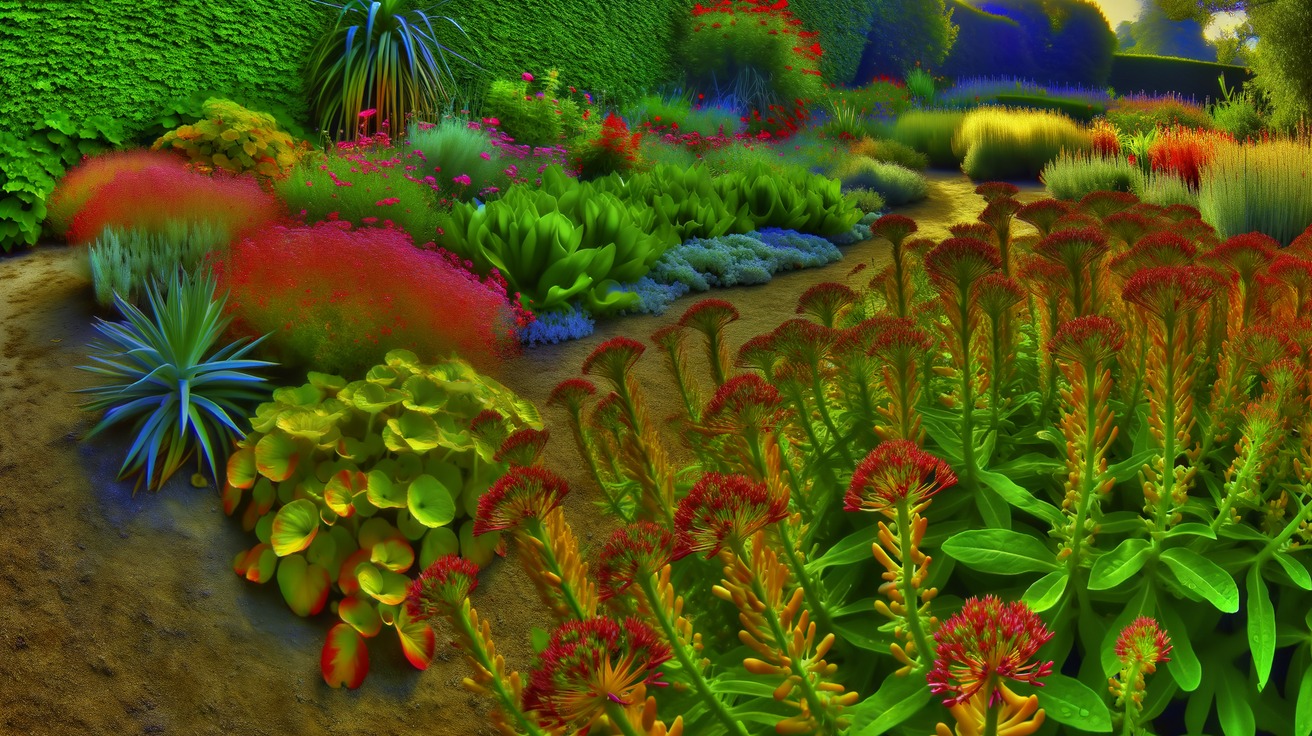
Incorporate xeriscaping, a landscaping style that reduces or eliminates the need for irrigation. For this, March is the month to design and lay out your drought-tolerant species like succulents, lavender, and ornamental grasses.
Planning Your Plant Collection
Embrace Native Plant Species
Native plants are adapted to thrive in local conditions with minimal care, especially regarding water needs.
- Research: Identify plants that are indigenous to your region.
- Benefits: These plants support local wildlife and require less external resources.
Choosing Drought-Tolerant Varieties
Plants like sedums, echinacea, and salvias not only tolerate dry spells but also add striking colors to your summer garden.
- Low Water Requirement: Look for terms like “drought-resistant” or “water-wise” when selecting.
- Companion Planting: Pair plants that share watering needs, enhancing efficiency.
Implementing Companion Planting
The Symbiotic Relationships
By March, experimenting with companion planting can set the groundwork for a thriving ecosystem. Consider pairing plants to repel pests, improve flavor, and reduce water loss.
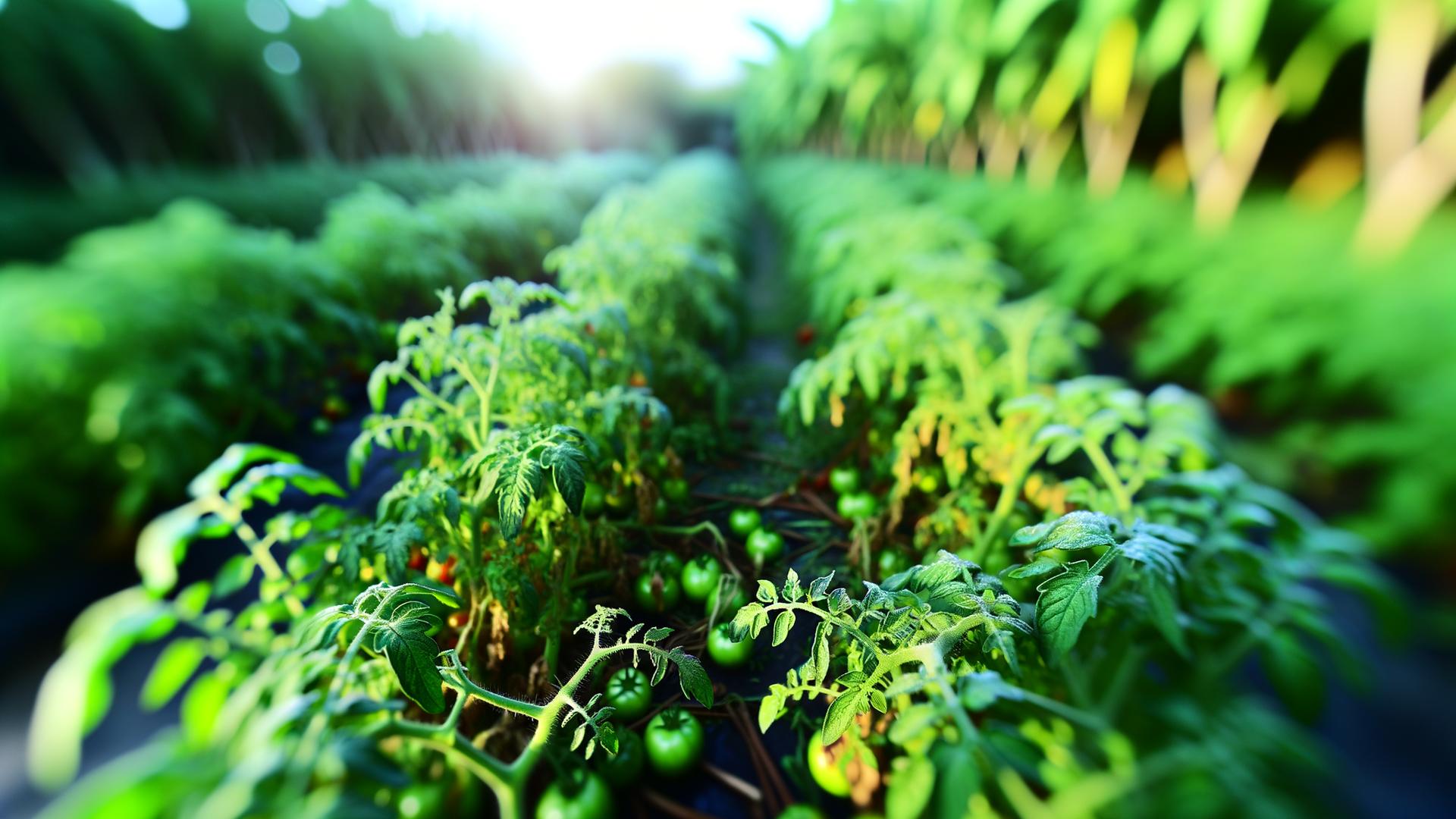
- Classic Pairs: Basil and tomatoes, beans, and corn work hand-in-hand to enhance growth and conserve resources.
- Pest Control: Marigolds are nature’s allies, deterring nematodes and aphids.
Maximizing Space
Interplanting compatible species can maximize growth in a compact area, reducing the need for more ground and, consequently, more water.
Monitoring and Tending
Early Signs of Success
By monitoring your garden in March, catch early signs of vigorous spring blossoms. It’s motivational knowing that your actions have paved the way for effective use of natural rainwater and applied moisture from drips.
Pruning and Weeding
Simple maintenance, like pruning and weeding in March, ensures optimal plant health:
- Pruning Encourages Growth: Pruning focuses your plant’s energy on new growth, keeping it robust.
- Weeding Reduces Waste: Weeds compete for resources, so regular March weeding is crucial.
Thriving into July
Observe the Transformation
By July, my garden was an embodiment of relaxed, sustainable gardening. Each plant told its tale, rooted deeply into the soil—and needing barely a sip of water in thanks to my early spring work.
Sharing the Knowledge
Neighbors were eager for the secret. I shared the story of March’s labor of love and watched as they embraced the water-free journey.
FAQs
FAQ 1: What is the first step for water-free gardening?
Start by testing your soil to tailor nutrients and pH levels to your plant's needs.
FAQ 2: How does mulching help in water conservation?
Mulch retains moisture, reduces evaporation, and keeps soil conditions steady.
FAQ 3: What is the best irrigation system for a water-wise garden?
A drip irrigation system minimizes water waste by delivering moisture directly to roots.
FAQ 4: What types of plants are best for low water conditions?
Native and drought-tolerant plants such as sedums, echinacea, and lavender thrive with minimal water.
FAQ 5: How often should I water in a low-water garden?
Water sparingly—only during dry spells—and use efficient methods like drip irrigation.
FAQ 6: Can companion planting help with water conservation?
Yes, by enhancing plant growth, companion planting maximizes resource use efficiently.
FAQ 7: Why should I start preparing in March?
March provides a cool climate, ideal for laying down essential water-saving groundwork before summer.
FAQ 8: Are native plants truly beneficial?
Absolutely, they are adapted to local conditions and thus require less watering and maintenance.
FAQ 9: What mulch is recommended for water conservation?
Biodegradable straw mulch is excellent for retaining moisture and controlling weeds.
FAQ 10: How does feeding soil improve water efficiency?
Healthy soil retains water better, making nutrients more accessible to plants while reducing runoff.
Discussion (0)
No comments yet. Be the first to start the conversation!
Leave a Reply