

Unleash Magic in Your Garden: The Power of Planting These Two Together!
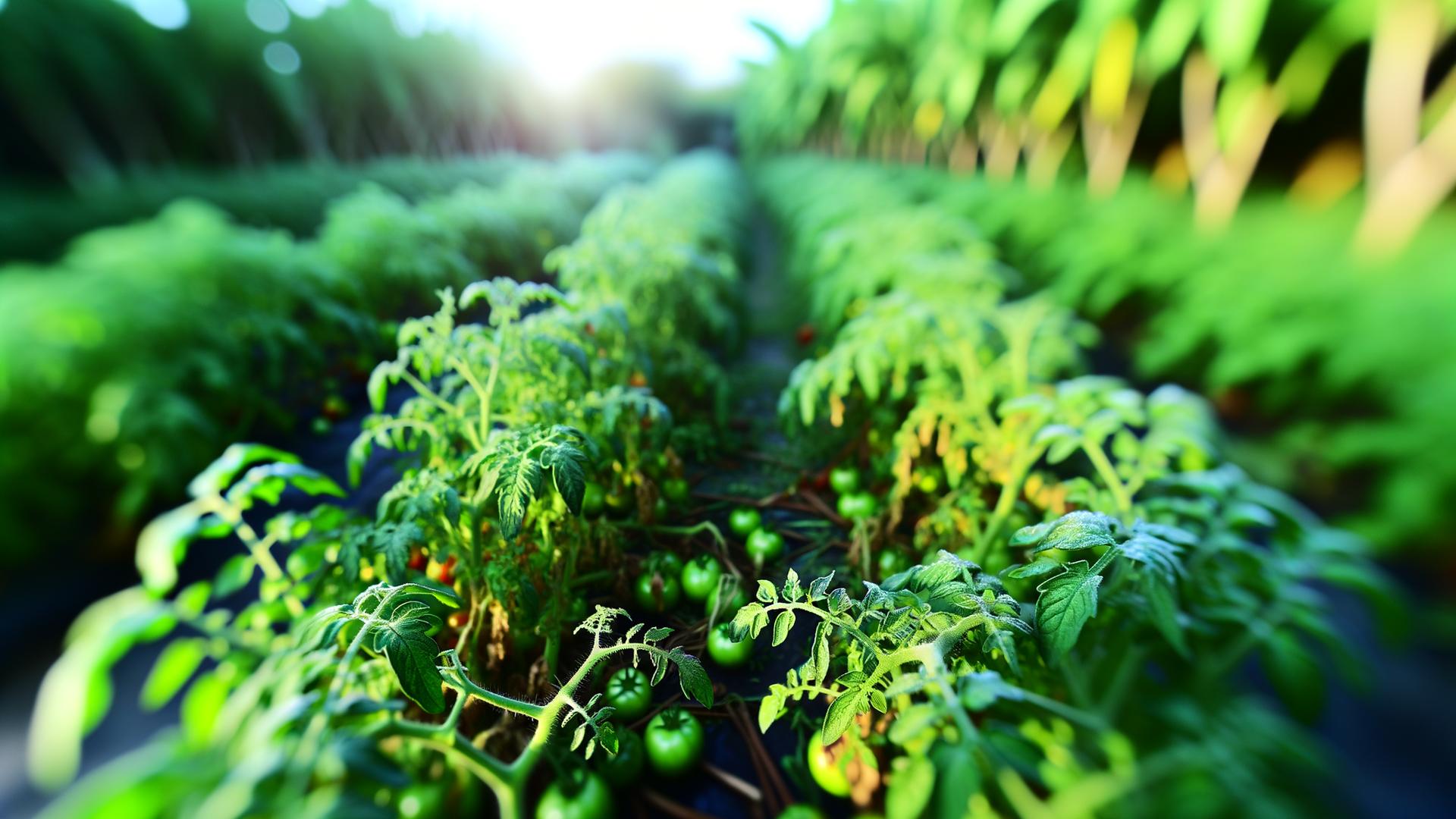
I remember a quiet Sunday morning about three years ago, when the first shafts of light broke over my little garden in the English countryside. As I sipped my coffee, I noticed the most enchanting sight: a delicate dance between vibrant tomatoes and the rich, lush leaves of basil. Their harmonious companionship unveiled a secret whisper of the garden. I was spellbound by their beauty, intertwined so naturally as if painted by Mother Nature herself. This green magic swept a wave of joy through my heart, an invitation into the world of companion planting.
Gardening is more than a hobby; it's a journey into a magical world where nature graciously offers lessons of resilience, patience, and unity. And sometimes, when we plant certain companions, the results can touch a little more than the soul—they can transform your garden into a thriving ecosystem. So, let's embark on this captivating journey of companion planting, focusing on the renowned duo: tomatoes and basil.
Understanding the Magic of Companion Planting
Companion planting is more than just placing two plants side by side. It's about understanding the intricate relationships and mutual benefits that different plant species can offer each other. This ancient agricultural technique not only enhances each plant's growth but also naturally improves the garden's ecosystem.
What is Companion Planting?
The core idea of companion planting is simple: plants can benefit others growing nearby. These benefits may include deterring pests, enhancing flavor, providing shade, or improving growth and productivity. Your garden becomes a tapestry of support, where every plant has a role in promoting sustainable fertility.
History and Benefits
The practice of companion planting dates back centuries, with farmers and gardeners observing which plants seemed to thrive when grown together. Native American tribes, for example, employed “The Three Sisters Method” of planting corn, beans, and squash together to ensure mutual sustenance. The benefits are manifold, including improved soil health, structural support, better pest control, and increased yields.
The Dynamic Duo: Tomatoes and Basil
Among the most legendary partnerships in the realm of companion planting is the pairing of tomatoes and basil. This combination is famed not just in cooking but in gardening circles as well. The synergy between these two plants is nothing short of mystical.
Mutual Benefits
Tomatoes are sun-loving plants renowned for their delectable fruits that grace countless dishes worldwide. Meanwhile, basil is synonymous with seasoning, its aromatic leaves enhancing culinary masterpieces with a hint of fresh sweetness. But what happens when you plant these two together is where the magic unfolds.
-
Pest Control: Basil acts as a natural repellent against certain tomato pests, such as aphids, asparagus beetles, and tomato hornworms. Its aroma masks the scent of tomatoes, confusing pests searching for their favorite meal.
-
Improved Growth: The chemical composition of basil can enhance tomato growth by boosting its production of essential oils, which some gardeners say makes the tomatoes even more flavorful.
-
Flavor Enhancement: Many gardeners swear that basil, when grown adjacent to tomatoes, enhances the fruit’s natural flavor, making the harvest even more scrumptious.
Planting & Care Guide
To enjoy a bountiful harvest from this dynamic duo, understanding their ideal growing conditions is crucial.
-
Sun Requirements: Both tomatoes and basil thrive in full sun, so choose a sunny spot in your garden or balcony for them.
-
Soil Quality: A well-draining loamy soil enriched with organic matter is ideal. Tomatoes and basil prefer a slightly acidic to neutral pH range (around 6.0 to 7.0).
-
Watering: Maintain consistent moisture in the soil. While tomatoes require deep watering, basil prefers consistent moisture but dislikes soggy roots.
-
Spacing: Plant basil closer to tomatoes, about 12 inches apart from the base of the tomato plant, to maximize the benefits without overcrowding.
Additional Companions for Tomatoes and Basil
While tomatoes and basil are a magical pair, adding a few more companions can create a flourishing garden filled with a diverse array of plants that work in harmony.
Allies for Tomatoes
-
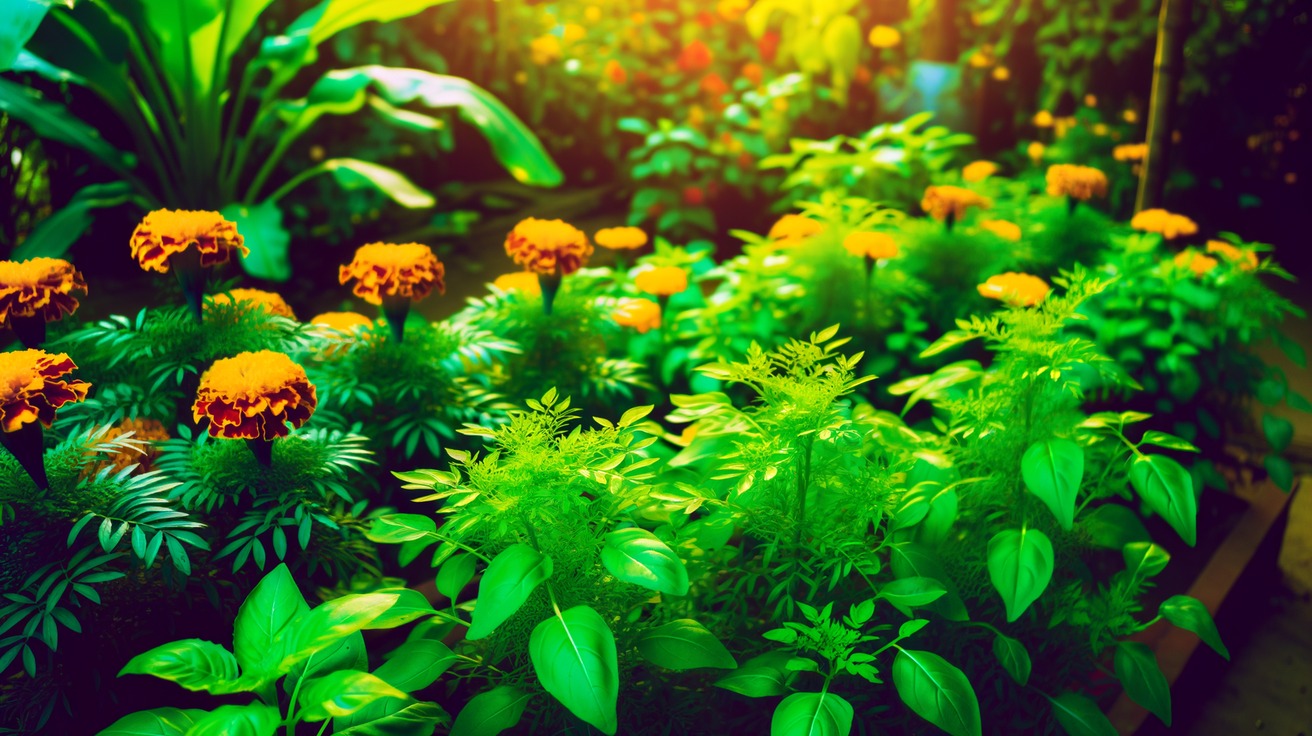
Marigolds: These bright flowers are nature’s pest repellents, great for keeping nematodes and other harmful insects at bay.
-
Carrots and Onions: These help in aerating the soil, allowing tomatoes more room for root expansion.
Allies for Basil
-
Bell Peppers: Sharing similar growing requirements, they make an excellent companion for basil.
-
Oregano and Chives: These herbs not only make excellent culinary companions but also help improve the garden’s resilience against pests.
Common Challenges in Companion Planting
No gardening practice is free from challenges, and companion planting is no exception. Understanding these can help in troubleshooting problems that might arise.
Overcrowding
One major concern is overcrowding, which can stifle plant growth. It's essential to allow sufficient space for each plant to thrive.
Competition for Resources
While plants can provide mutual benefits, they can also compete for nutrients and water. Make sure to monitor their growth and adjust planting strategy as necessary.
Pest Management
Understanding which plants work well together can sometimes lead to trial and error. What works for one garden might need tweaking for another due to different environmental conditions.
Seasonal Adjustments
Companion planting might require adjustments between different planting seasons, as not all companions will be suitable year-round.
Crafting the Perfect Garden Environment
Companion planting doesn’t just enhance the aesthetics or productivity of your garden; it fosters a deeply interconnected ecosystem that celebrates the rich diversity of plant life. Here are some steps to further nurture this environment:
Implementing Crop Rotation
Rotate your crops every season to maintain soil health and productivity. This practice prevents soil depletion and helps control pests and diseases.
Intercropping Techniques
Incorporate intercropping, the practice of growing two or more crops in proximity. It maximizes land use and enhances the biodiversity of your garden.
Incorporating an Integrated Pest Management (IPM) System
By combining biological, cultural, and physical tools in pest management, your garden can maintain its resilience without the need for harmful chemicals.
A Journey Through the Seasons with Tomatoes and Basil
Every season brings a new chapter to your garden, from the first shoots of spring to the thriving growth of the summer and the bounteous harvest of autumn. Let’s explore how to care for your tomatoes and basil through the changing seasons.
Spring: The Beginning
As frosty breaths of winter retreat, start your tomatoes and basil indoors. This helps them gain a head start before transplanting them outside once the danger of frost passes.
Summer: Flourishing Growth
Ensure consistent watering, especially during dry spells. Mulching can help retain moisture in the soil and suppress weeds.
Autumn: Harvest Time
Gently harvest basil leaves regularly to encourage fresh growth. As the first frost nears, harvest your tomatoes before they succumb to the cold.
Winter: Rest and Rejuvenation
This is a perfect time for garden planning and soil preparation. Consider indoor growing setups for basil to enjoy fresh herbs year-round.
Top 10 FAQs on Companion Planting with Tomatoes and Basil
1. Can I plant tomatoes and basil together in containers?
Yes, tomatoes and basil can thrive together in containers, provided the pots are large enough to accommodate their root systems and space them sufficiently to avoid overcrowding.
2. Does basil improve the taste of tomatoes when grown together?
Many gardeners believe basil enhances the flavor of tomatoes due to its influence on the plant's essential oils, making the tomatoes sweeter and richer in taste.
3. How close should basil and tomatoes be planted?
For optimal benefits, plant basil about 12 inches away from tomato plants to ensure enough room for growth and air circulation.
4. Do I need to prune basil when grown with tomatoes?
Yes, regular pruning of basil promotes bushier growth and prevents the plant from flowering too early, which can affect leaf flavor.
5. Are there any negatives to planting tomatoes and basil together?
While generally beneficial, it’s crucial not to plant them too closely to prevent competition for water and nutrients, which could hinder growth.
6. How do I manage pest control with these plants?
Basil acts as a natural repellent. Additional methods include using companion plants like marigolds and implementing IPM strategies for robust pest control.
7. What are the sunlight requirements for tomatoes and basil?
Both plants thrive in full sun, requiring at least 6-8 hours of direct sunlight daily to produce the best results.
8. Can I use the same soil mix for basil and tomatoes?
Yes, a well-draining, nutrient-rich soil mix with organic matter works well for both. Adjust pH as necessary to suit both plants.
9. Is it necessary to rotate tomatoes and basil annually?
Yes, crop rotation helps prevent nutrient depletion and minimizes pest and disease build-up in the soil.
10. Can companion planting deter all pests naturally?
While it significantly reduces the need for chemical treatments, it might not eliminate all pests. Regular monitoring and additional natural pest control methods can enhance overall effectiveness.
Discussion (0)
No comments yet. Be the first to start the conversation!
Leave a Reply