

A Story of Green Hope Turned Yellow
I vividly remember the spring of 2018—a season poised with promise, rejuvenated by the rich aroma of turning soil and the hopeful green of burgeoning shoots. I meticulously sowed cucumber seeds in a neat row within my backyard garden. The anticipation of their juicy crunch invigorated every morning as I tended to my verdant companions, watching them sprout and climb, their tendrils weaving an intricate dance up the trellis.
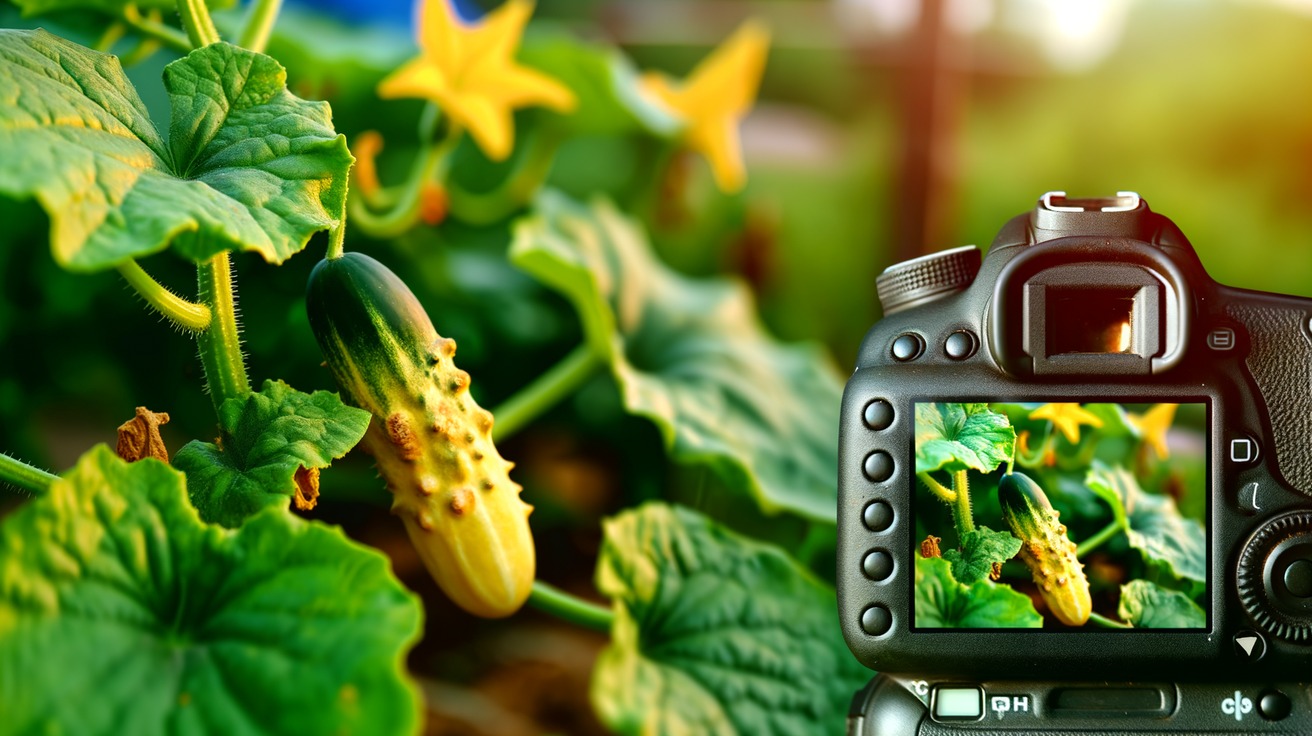
The months rolled by, and what started as a dream slowly began morphing into a gardener’s gentle nightmare. One by one, the caterpillar-green cucumbers transformed into a concerning shade of lemon-yellow. My slice of green heaven seemed to be tinged with a twist of citrus. Frustration mingled with a desperate need for answers.
Yet, those yellowing cucumbers taught me invaluable lessons—lessons I am about to share. Grab your gardening gloves because we’re diving deep into the surprising truth behind yellowing cucumbers!
Why Do Cucumbers Turn Yellow?
Gardening is as much a science as it is an art. Yellowing cucumbers can often be seen as a vivid illustration of their delicate needs not being met. Several factors could lead to this unwanted phenomenon:
1. Nature's Reminder: Ripeness
When cucumbers turn yellow, it might simply be a sign of over-ripeness. The journey from green to yellow is completely natural as the cucumber matures beyond its prime picking period. Unlike their younger and greener counterparts, these cucumbers may harbor a slightly bitter taste and tougher skin.
- Gardeners' Tip: Harvest cucumbers when they are firm and bright green to ensure optimal taste and texture.
2. The Soil Symphony
Cucumbers reflect the soil’s health back to us like an artist reflects life on canvas. The soil’s nutrient profile being imbalanced or insufficient can result in yellowing cucumbers.
-
Nitrogen Deficiency: Essential for vigorous plant growth, nitrogen, when deficient, manifests through a yellow hue in cucumber plants. Ensure you provide a balanced fertilizer to keep your plants thriving.
-
pH Imbalance: Cucumbers prefer a slightly acidic to neutral pH level in the soil; anywhere from 6.0 to 7.0 is ideal. Regular soil tests can indicate whether you need to adjust your soil’s pH using lime or sulfur.
3. The Role of Water
Water stress is another potential culprit. Cucumbers are largely composed of water, demanding consistent hydration to remain luscious and green.
-
Overwatering: Too much water can suffocate the roots, blocking essential oxygen uptake and causing a pale yellowing of the fruits.
-
Underwatering: Conversely, a lack of water can cause stress, leading to the yellowing of the otherwise vibrant cucumbers.
4. The Light Factor
Much like how we need sunlight for vitamin D, cucumbers thrive under the sun’s tender warmth. Insufficient exposure to light can prevent the plant from photosynthesizing efficiently, leading to the yellowing of cucumber fruits.
- Gardeners' Tip: Ensure your cucumber plants receive 6-8 hours of direct sunlight each day for optimal growth.
The Pests and Diseases Playbook
Yellowing can also be a telltale sign of pests or diseases silently wreaking havoc in your garden.
5. Cucumber Beetles
Cucumber beetles are as deceptive as they are destructive. Their feast on cucumber plants can result in yellow, wilted fruits.
- Gardeners' Tip: Use floating row covers or organic insecticidal soap to thwart these pesky invaders before they transmit diseases like bacterial wilt.
6. Powdery Mildew
This fungal disease sprinkles a white, powder-like substance on leaves, eventually leading to yellowing and decay.
- Solution: Regularly remove affected foliage and encourage air circulation around your plants to deter this fungal foe.
Ensuring Healthy Cucumbers
To keep your cucumbers from turning into lemony impostors, integrate these robust gardening practices:
7. Rotate Crops
Avoid planting cucumbers in the same spot each year to prevent soil-borne diseases and pest persistence.
8. Prune and Mulch
Pruning helps enhance air circulation, while applying a layer of mulch can retain soil moisture and deter pests.
9. Consider Companion Planting
Growing plants like radishes, dill, and marigolds alongside cucumbers can naturally ward off pests and enhance growth.
Frequently Asked Questions
Can yellow cucumbers be eaten?
Yes, yellow cucumbers are edible but may not have the best taste. They are often more bitter and less crunchy than their green counterparts.
How can I prevent my cucumbers from turning yellow?
Maintain consistent watering, ensure proper sunlight, check soil nutrients, and regularly monitor for pests and diseases.
What type of fertilizer should I use?
Choose a balanced fertilizer, ideally something like 10-10-10 or a specific vegetable garden blend rich in nitrogen.
How often should I water my cucumber plants?
Water deeply and consistently, typically once a week, depending on rainfall and temperatures, ensuring the soil remains moist but not waterlogged.
What are some organic treatments for cucumber pests?
Floating row covers, neem oil, and insecticidal soaps are effective organic treatments for common cucumber pests.
How can I correct nitrogen deficiency?
Incorporate organic matter such as compost or use a high-nitrogen fertilizer like fish emulsion or blood meal.
What signs indicate cucumber beetles?
Look for small yellow beetles with black spots, as well as wilting or stunted plant growth.
How can I test my soil’s pH?
Use a home soil test kit available from garden centers or send a soil sample to a local cooperative extension service.
Can yellowing occur from lack of pollination?
Yes, inadequate pollination can lead to malformed or yellowing cucumbers. Encourage pollinators by planting flowers and reducing pesticide use.
Is shade cloth beneficial for cucumbers?
In extremely sunny climates, using shade cloth during peak heat can help prevent stress and yellowing in cucumbers.
Embrace the gardening journey, for each leaf that wilts and fruit that turns adds a chapter to your horticultural story. Stay vigilant, nurture wisely, and soon your cucumbers will gleam the promising green of tightly sealed secrets, crunchy with potential and ready to nourish body and soul.
Discussion (0)
No comments yet. Be the first to start the conversation!
Leave a Reply