Blooming Inspiration: A Personal Journey into Gravel Gardening
As twilight painted my backyard with hues of pink and gold, I stood there, barefoot, on my characteristic piece of the world—a patch of unimposing gravel I had poured over. The crunch underfoot became music to my ears. Admittedly, my foray into gravel gardening was met with skepticism, even from myself. Could gray pebbles and stones replace the vibrant green grass and still resonate with the beauty I craved for my sanctuary? This was where my journey began and where countless others are discovering a new kind of greener thumb—a thumb painted with the dusty texture of gravel.
Like many, I craved an outdoor space that married aesthetics with minimal maintenance. Embracing gravel gardening was akin to stepping into an artist's studio with a fresh canvas, eager to paint a masterpiece—each rock and plant a stroke of innovation. This garden transformed into more than a just space; it reshaped a community conversation, inviting enthusiasts from climes near and far. That was the magic of gravel, and here's why experts are all in on this trend.
The Allure of Gravel Gardening
A Trend Rooted in Necessity and Style
Gravel gardening has swiftly become a sustainable solution, birthed from the crossroads of climate change and shifting lifestyle demands. Gone are the days when tangles of lawn would guzzle water and weary gardeners. Today, the gardening trend has evolved into an eco-friendly marvel that speaks resilience and elegance in design, combining nature's raw beauty with human creativity.
Benefits: More Than Just a Pretty (Rocky) Face
- Low Maintenance: Gravel gardens require less watering, weeding, and mowing, making them a paradise for those leading busier lifestyles or in regions grappling with water scarcity.
- Diverse Plant Choices: Designed to suit drought-tolerant plants, these gardens embrace a wide array of foliage that not only thrives but bursts with color and texture.
- Weed Suppressant: The gravel acts as a natural barrier, silencing the unwelcome sprouts of weeds before they have a chance to spoil your curated masterpiece.
- Enhanced Drainage: Say goodbye to waterlogged soil and hello to improved drainage benefits that protect your plants' roots.
Designing Your Gravel Wonderland
Understanding Your Canvas
- Evaluate Your Space: Survey the soil, light exposure, and climate to understand your garden's needs. Gravel gardens can thrive in a variety of settings—from sun-kissed to shaded nooks.
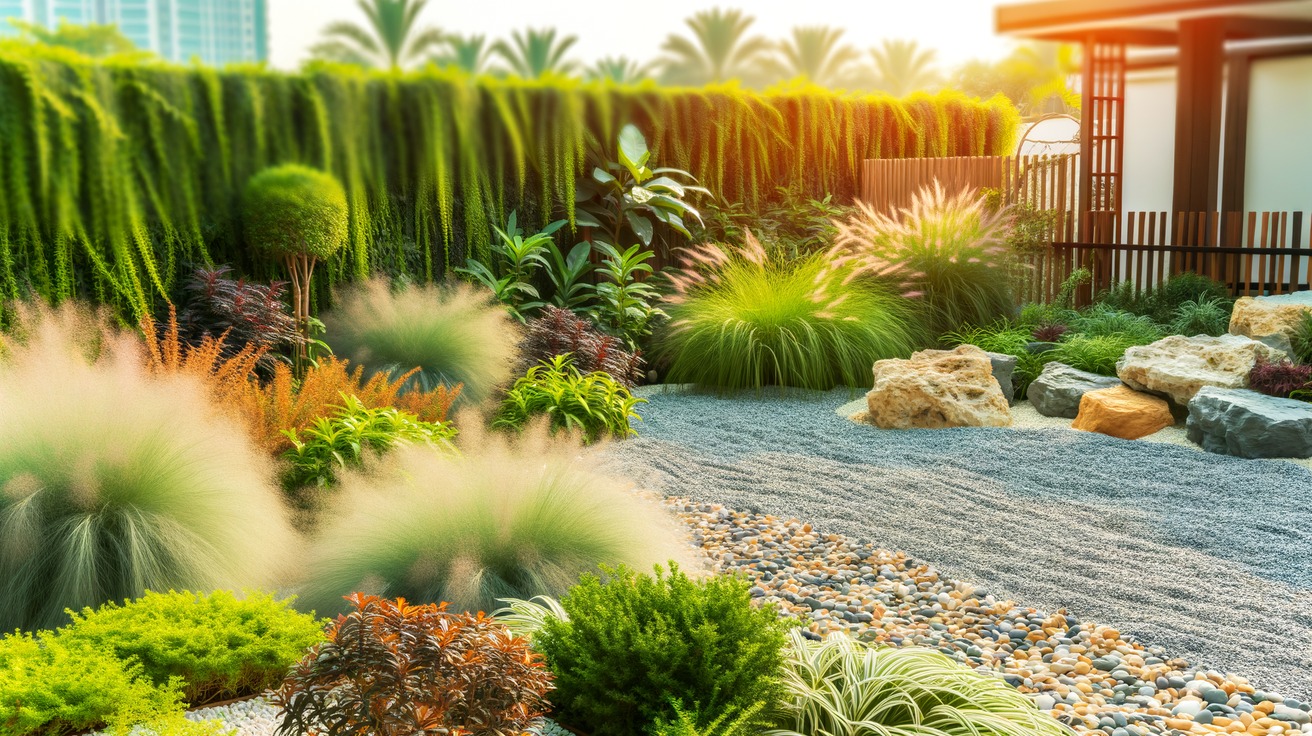
- Select Your Gravel: Not all gravel is created equal. Choices range from pea gravel to river rock to crunched limestone, each adding a unique touch to your garden's texture.
Crafting the Perfect Composition
- Plan Your Layout: Create a visual blueprint. Incorporate patterns, pathways, and purposeful plant groupings. Your gravel garden should inspire movement and rest, delighting the eyes at every turn.
- Plant Selection: Choose plants suited to your garden's climate. Favorites include lavender, sedums, and ornamental grasses. Their drought-resistant nature and vibrant blooms or structural foliage offer a contrast to the muted gravel.
Expert Insights: Why the Passion for Gravel is Growing
Sustainability and Resilience
Gravel gardening is a testament to adaptive gardening in the face of environmental changes. With less water required and natural materials at its core, gravel gardens represent an enduring form of stewardship toward our planet.
Aesthetic Appeal
The minimalist charm and serene elegance of gravel gardens provide a tranquil retreat without sacrificing beauty. This garden design lends itself to modern simplicity and artistic interpretation, appealing to both traditionalists and contemporary landscape architects.
Community Engagement
Gravel gardens stir conversations about responsible gardening practices and inspire gardens to become platforms for community education. Sharing experiences and tips, this trend fosters a collaborative gardening culture eager to embrace environmentally sound practices.
Frequently Asked Questions
How do I prepare the ground for a gravel garden?
Start by removing any existing vegetation, clear old roots, and rocks, and level the ground. Add a layer of crushed stone to aid drainage, followed by a weed membrane to prevent pesky sprouts. Finally, spread your chosen gravel evenly atop this foundation.
Can gravel gardens handle heavy rainfall?
Yes, due to their well-drained nature, gravel gardens are better equipped to handle excess water. However, proper ground preparation is essential to ensure optimal drainage.
Which plants are ideal for gravel gardens?
Opt for hardy xerophytes, such as succulents and Mediterranean-type shrubs. Plants like lavenders, agapanthus, and rosemary adjust well to gravel conditions.
How do I control weeds in a gravel garden?
The best strategy includes laying a weed control barrier or membrane beneath the gravel. Regular raking and manual removal of surface weeds also help keep your garden weed-free.
Is a gravel garden suitable for all climates?
Gravel gardens excel in arid and temperate climates. In colder regions, careful plant selection and additional measures, like frost pillows or protective coverings over roots, are recommended.
What maintenance is required for a gravel garden?
Minimal maintenance involves periodic raking, replenishing gravel over time, and occasional plant care. Compared to traditional gardens, it's significantly less labor-intensive.
Can I use gravel around trees and shrubs?
Yes, gravel can be used in these areas for both aesthetic and practical purposes. Ensure trees and shrubs are well-established, as young plants may struggle to compete with gravel conditions.
How do I create visual interest in a gravel garden?
Play with varying sizes and colors of gravel to design dynamic patterns. Incorporate native and non-native species that offer diverse textures and seasonal blooms to captivate year-round interest.
Are gravel gardens beneficial for wildlife?
Absolutely! Gravel gardens support biodiversity by providing habitats for insects like bees and butterflies. Incorporating native plants further enhances wildlife-friendly landscapes.
How often should I replenish gravel?
It generally requires refreshing every few years to maintain its appearance and functional benefits. Harsh climates may demand more frequent upkeep, while more sheltered gardens can enjoy longer intervals.
Discussion (0)
No comments yet. Be the first to start the conversation!
Leave a Reply