

The Unexpected Harvest: A Personal Tomato Tale
It was an exceptionally sunny afternoon in late June when I ambled down the gentle slope of my garden, heart bursting with anticipation for the fruits of my labor—my beloved tomato plants. For weeks, I had nurtured them like my own children, whispering sweet nothings and watering diligently. Yet, as I knelt down to inspect the first fruits, my heart sank. The delectable red globes I dreamed of were marred by the unsightly, leathery brown blemishes known as blossom end rot. I felt deflated, my summer hopes dashed in a heartbeat.
Determined to solve this gardening conundrum, I stumbled upon an age-old secret, a simple trick passed down through generations. Little did I know, the answer to my tomato troubles lay within the fragile shell of an everyday kitchen waste product: the eggshell. Embarking on this journey not only revived my tomato crop but also taught me a valuable lesson in resilience and resourcefulness.
Come along as I unravel the magic behind eggshells and share how you too can transform your tomato harvest!
Understanding Blossom End Rot
What is Blossom End Rot?
Blossom End Rot is a common problem for tomato growers. It's characterized by a water-soaked spot at the blossom end of the fruit. As the fruit matures, this spot darkens and becomes sunken, rendering affected tomatoes unappetizing. This condition typically occurs due to a calcium deficiency in the plant.
Causes of Blossom End Rot
Though calcium deficiency is the main culprit, several factors can exacerbate this condition:
- Fluctuating Moisture Levels: Inconsistent watering can hinder calcium uptake.
- Excess Nitrogen Fertilization: High nitrogen levels can promote foliage growth at the expense of fruit development.
- Improper Soil pH: Soils that are too acidic or have inappropriate pH levels can impair the availability of calcium.
- Root Damage: Poor root health can limit nutrient absorption.
Understanding these causes can help you better mitigate the problem through natural remedies such as eggshells.
The Eggshell Trick
Why Eggshells?
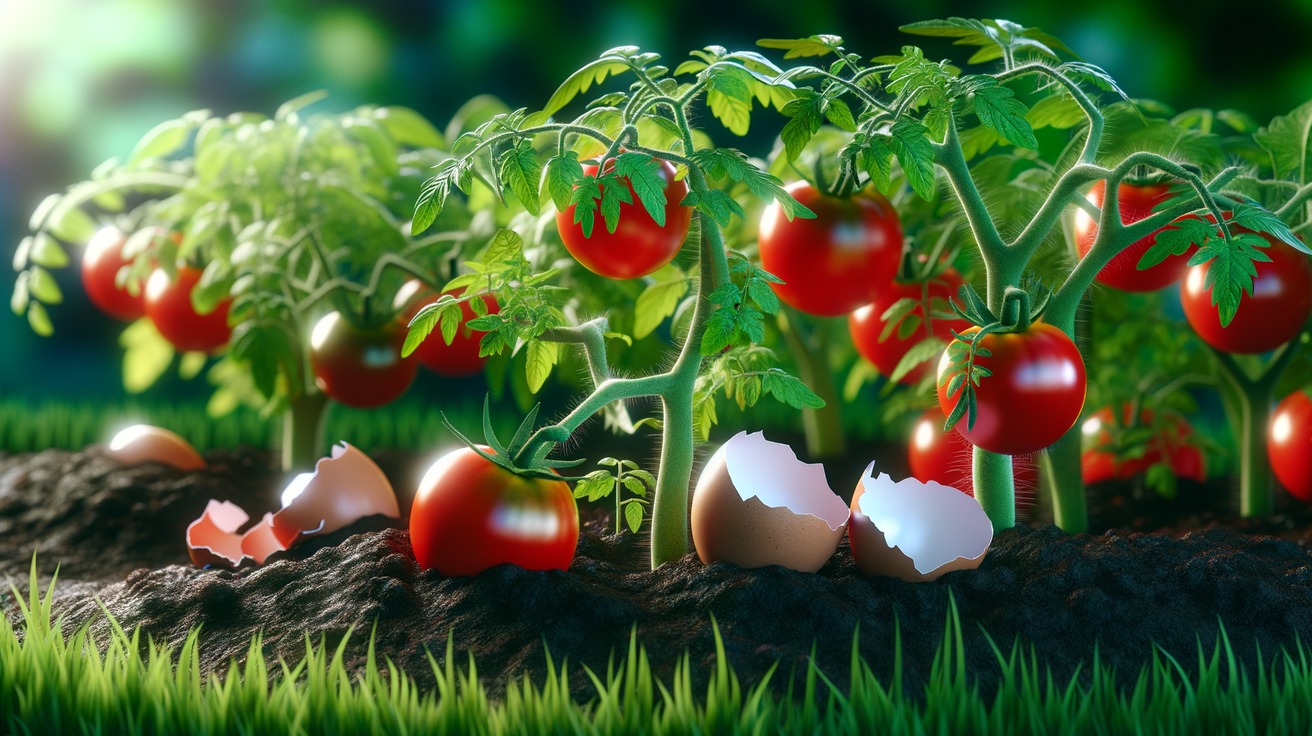
Eggshells are an amazing, sustainable source of calcium carbonate. When incorporated into the soil, they gradually release calcium, boosting the nutrient content that is critical for healthy tomato development.
How to Prepare Eggshells
- Collect Eggshells: Save shells from everyday use. Rinse them to remove any residual egg whites.
- Crush: Once dry, crush the shells into a powder using a rolling pin or mortar and pestle. The finer the powder, the quicker it'll break down in the soil.
- Add to Soil: Before planting, sprinkle this powder evenly around the hole. For established plants, gently work the powder into the topsoil around each plant and water well.
Best Practices for Using Eggshells
- Consistent Application: Regular applications are necessary as calcium moves slowly through the soil.
- Balanced Watering: Ensure consistent watering at the base of the plant to aid calcium uptake.
- Mulching: Use organic mulch to maintain soil moisture and temperature.
Growing the Perfect Tomato
Choosing the Right Variety
Selecting blossom end rot-resistant tomato varieties can further buffer against potential problems. Look for hybrid varieties bred to have improved calcium uptake, reducing the likelihood of occurrence.
Optimal Watering Techniques
Employing proper watering techniques is crucial:
- Use a soaker hose or drip irrigation to provide a steady source of water, avoiding the wetting of foliage which can lead to disease.
- Deep, infrequent watering encourages robust root systems, necessary for nutrient uptake.
Soil Health and Maintenance
Beyond eggshells, other natural amendments can boost soil health:
- Compost: Regular incorporation of compost can improve soil structure and nutrient content.
- pH Adjustment: Use lime to adjust soil pH to optimal levels for calcium availability (pH 6.0 to 6.8).
The Science of Calcium in Plant Health
Understanding the role of calcium in plant health highlights why it is indispensable:
- Cell Wall Development: Calcium strengthens cell walls, enhancing overall plant structure.
- Enzyme Activation: It plays a role in enzyme systems that regulate growth and stress responses.
- Fruit Development: Critical during fruit set and growth phases to ensure healthy and appealing yields.
Natural and Sustainable Gardening Practices
Recycling in the Garden
Beyond using eggshells, other kitchen waste products can enrich your garden. For instance, coffee grounds can enhance soil nitrogen levels, and banana peels can supplement potassium.
Emphasizing Organic Practices
Reducing the reliance on chemical fertilizers supports a healthier ecosystem. Organic matter improves soil structure and biology, promoting a sustainable gardening practice.
Building a Community of Green Thumbs
Learning and Sharing
Join local gardening clubs or online forums where you can share your experiences and learn from fellow gardeners. Community resources are invaluable for troubleshooting unique challenges like blossom end rot.
Experimenting with Companion Planting
Plant tomatoes alongside basil, marigold, or onions to repel pests and enhance growth. Understanding compatible plant relationships can yield healthier gardens.
Frequently Asked Questions (FAQs)
1. How do eggshells prevent blossom end rot?
Eggshells provide a natural source of calcium, which is essential in preventing blossom end rot, caused by calcium deficiency.
2. How often should I add eggshells to my tomato plants?
Crushed eggshells should be added to the soil before planting and can be periodically sprinkled throughout the growing season.
3. Can I use any egg type?
Yes, all types of eggshells from chickens, ducks, and even quail can be used.
4. How fine should the eggshells be crushed?
The finer the powder, the quicker it will decompose, so aim for a fine consistency.
5. Besides eggshells, what else can I do to prevent blossom end rot?
Ensure consistent watering, maintain proper soil pH, and avoid over-fertilizing with nitrogen.
6. Will baking the eggshells improve their effectiveness?
Baking can sterilize and make them more brittle, aiding in easier crushing, but it’s not necessary for effectiveness.
7. My tomato plant still has blossom end rot despite using eggshells. What now?
Check for other factors like watering inadequacies or root damage, which could inhibit calcium uptake.
8. Are there tomato varieties that are less prone to blossom end rot?
Yes, some hybrids are bred for better calcium uptake and disease resistance.
9. How do I test my soil’s pH?
You can buy a pH soil test kit from gardening stores to ensure your soil is within the ideal range.
10. Can I use eggshells for other plants?
Yes, any calcium-loving plants such as peppers, cucumbers, and eggplants can benefit from eggshells.
Discussion (0)
No comments yet. Be the first to start the conversation!
Leave a Reply