
The Journey of a Lawnmower Rebel
On a bright Saturday morning, the distant neighborhood hum resonated through the streets—a chorus of lawnmowers and leaf blowers signaling the start of the weekend ritual. As I sipped my coffee, I gazed out the window at my perfectly manicured lawn. It was a picture of suburban perfection, but something gnawed at my consciousness.
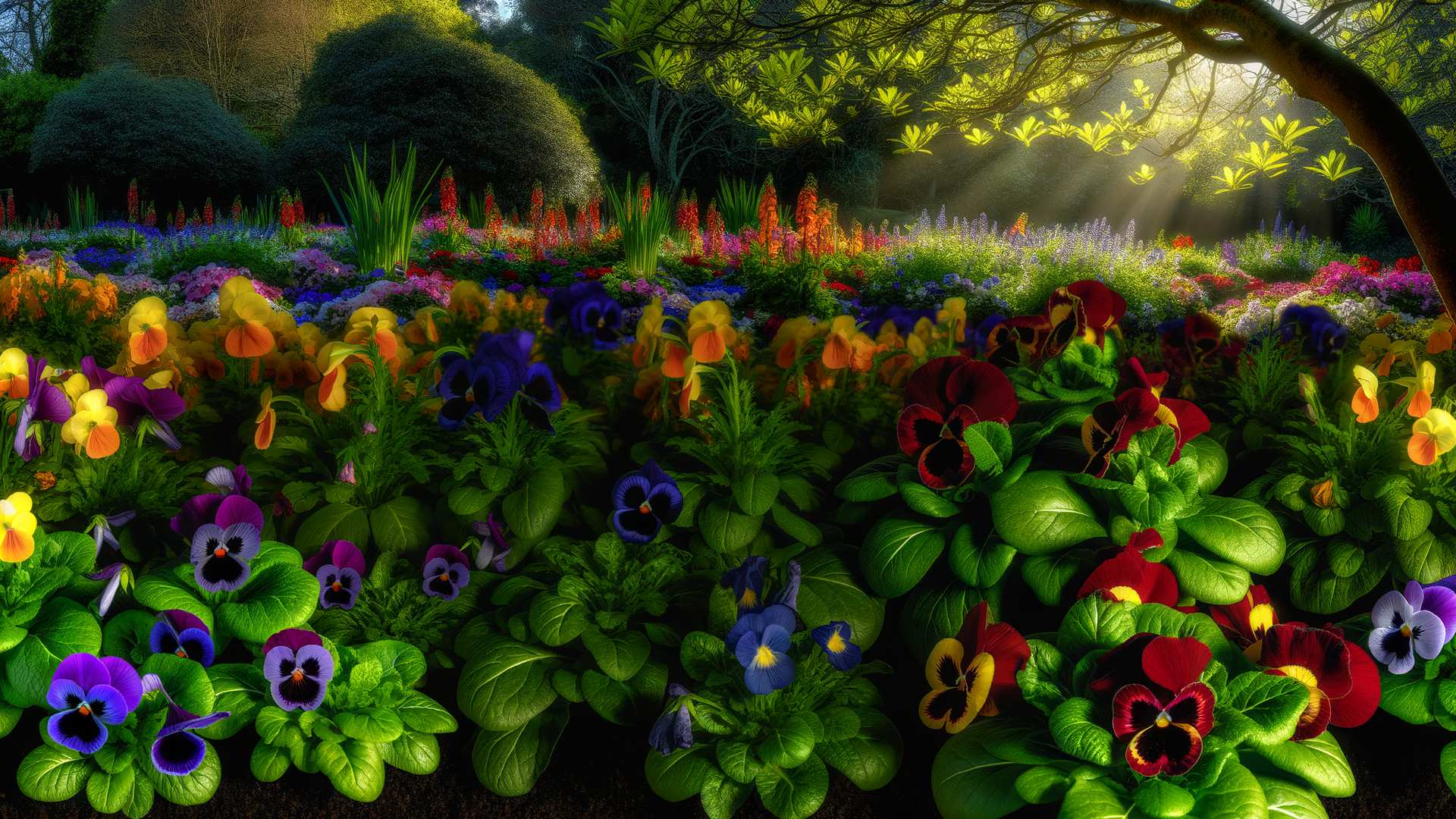
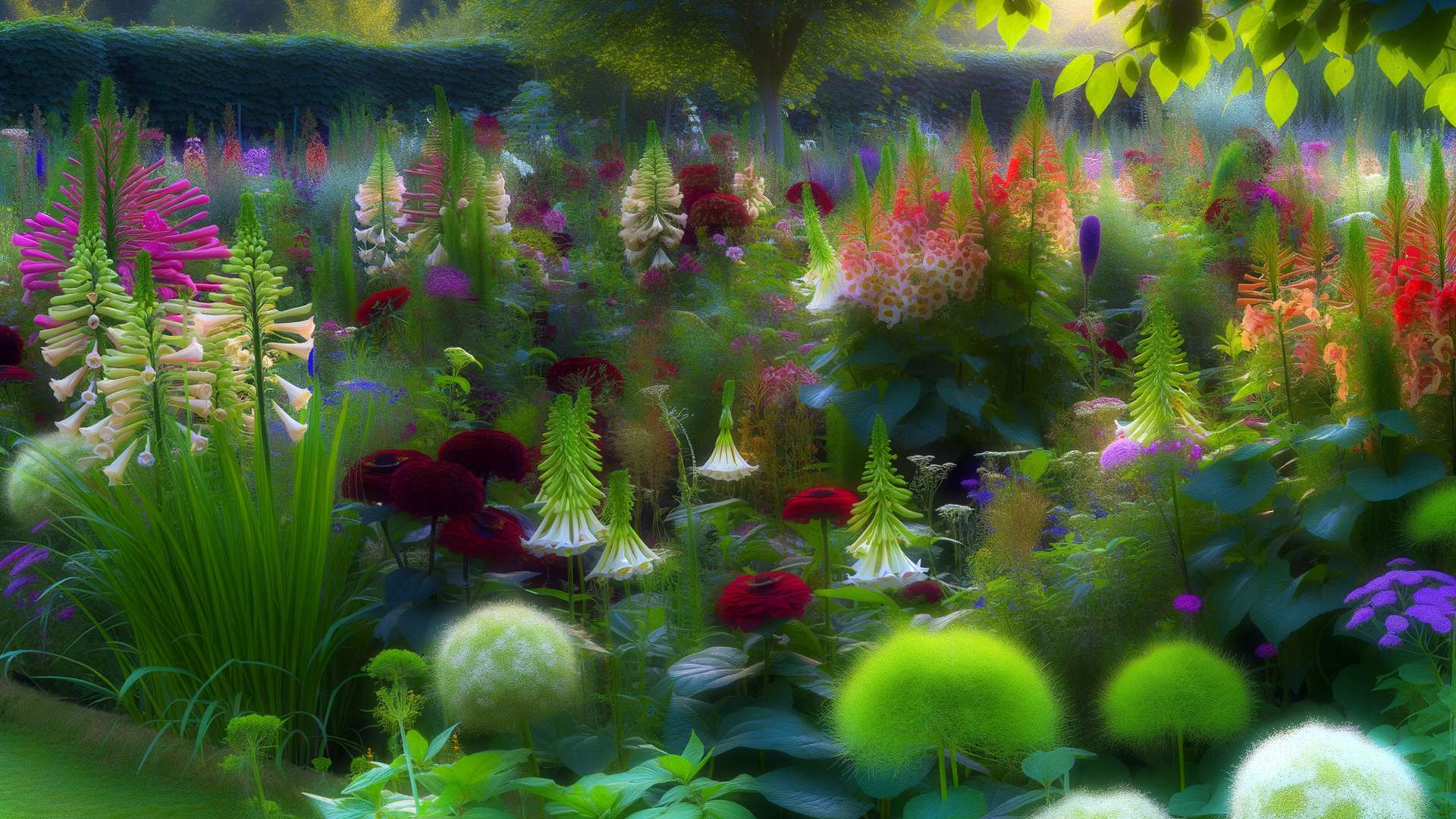
The thought first sprouted during a summer trip when I visited an old friend who had embraced a life less tidy. Her lawn was a wild, vibrant tapestry of color and life, totally untouched by the hum of a mower. Butterflies flitted through the air, and bees busily buzzed from one blossom to another. It was there, surrounded by this wild serenity, that my heart whispered a radical idea: What if I stopped mowing?
When I returned home, I relinquished my tight grip on lawn perfection. Little did I know that my personal rebellion was the beginning of a profound transformation—not just of my lawn, but of my perspective. Join me on an exploration of the surprising benefits of stopping the mow.
The Ecological Impact of Letting Your Lawn Grow
Boosting Biodiversity
One of the most incredible outcomes of ceasing the weekly mow is the explosion of biodiversity. A mowed lawn is often a monoculture, typically dominated by a single species of grass. When you let your grass grow, wildflowers and native plants take root, providing natural habitats for a wide range of creatures.
Building a Mini Ecosystem
Unmowed lawns quickly turn into micro-ecosystems, attracting a variety of insects, amphibians, birds, and small mammals. These creatures not only thrive in a biodiverse environment but also contribute to pest control by feeding on less desirable critters.
Supporting Pollinators
As your lawn blooms with native flowers and grasses, it becomes a sanctuary for critical pollinators like bees, butterflies, and moths. These insects are essential for the pollination of plants, including those in your vegetable and fruit gardens.
The Role of Native Plants
Native plants are specially adapted to their environment, requiring less water and fertilizer. They offer nectar, pollen, and habitats for pollinators, making your yard a vital link in sustaining local wildlife populations.
Environmental Advantages of Mow-free Lawns
Reducing Carbon Footprint
By stepping away from the mower, you significantly cut down on the fossil fuels and emissions associated with lawn care equipment. Lawn mowers contribute to air pollution and greenhouse gas emissions, a matter that is easily remedied by simply letting the grass grow.
Conserving Resources
Without the constant need for watering and fertilizing, you conserve precious resources. A walk-through of those benefits includes reduced water usage and lower chemical runoff entering local waterways.
Improving Soil Health
Longer grass shades the soil, maintaining moisture levels and encouraging healthy microbial activity. This contributes to a richer soil ecosystem, which supports robust plant growth.
Natural Fertilization
Fallen leaves and plant matter accumulate to create natural mulch, which decomposes and enriches the soil with organic matter. This process fosters a healthy environment for plants to thrive without synthetic fertilizers.
Visual and Aesthetic Transformation
Embracing Natural Beauty
An untamed lawn unravels a new definition of beauty. Where once there was uniformity, there is now textural variety, color shifts, and seasonal changes—all seamlessly woven into the landscape.
Landscapes of Interest
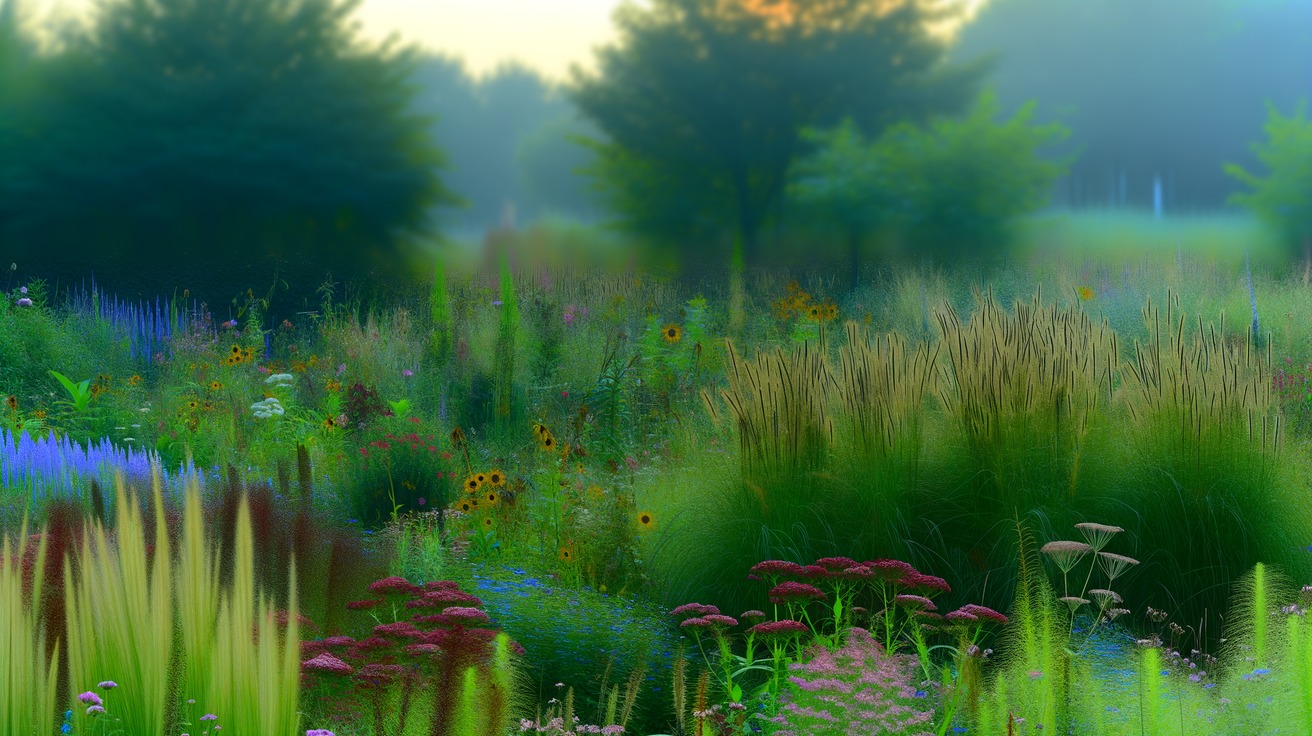
Tall grasses and wildflowers create a picturesque scene that changes with the seasons, inviting a sense of wonder and curiosity. Experience a landscape that evolves over time, offering something new at every glance.
Designing with Nature
Instead of rigid borders, allow nature to dictate the shape and flow of your garden. Use paths, seating areas, and focal points to guide the eye and encourage interaction with your unkempt paradise.
Integrating Perennial Borders
Consider framing your wild lawn with perennials to create a harmonious balance between order and exuberance. This design approach produces a dynamic space that offers structural beauty and ecological function.
Health and Well-being Benefits
Encouraging Outdoor Activity
With a more interesting landscape, both children and adults are naturally drawn outdoors to explore and interact with their surroundings. This encourages physical activity and outdoor play, which are essential for health and happiness.
Mental Health Boost
The return to a more natural environment can ease stress and anxiety. The simple act of being surrounded by thriving life is a natural mood lifter and promotes a sense of well-being that manicured lawns often lack.
Building Community
Your ecological choice can act as a catalyst for neighborhood conversations about sustainable living. Sharing knowledge and experiences fosters community spirit and inspires others to explore their own garden transformations.
Workshops and Events
Host a garden tour or workshop to showcase your wild lawn's progression and to educate others about the myriad benefits of reducing lawn mowing. Create a local network of enthusiasts for continuous learning and support.
Overcoming Challenges and Concerns
Addressing HOA Guidelines
If you live in a community governed by a homeowner's association, it's crucial to understand the rules and advocate for more flexible guidelines that allow for eco-friendly lawn management.
Working with Neighbors
Engage in discussions with neighbors to alleviate concerns about appearance and property values. Educating them on the ecological benefits can turn potential detractors into supporters of your initiative.
Managing Undesirable Weeds
While some weeds add ecological value, others can be invasive. Practicing responsible management by learning which plants to control will help maintain balance in your landscape.
Encouraging Beneficial Species
Prioritize the cultivation of beneficial species through selective trimming and planting to create a lawn that is not only wild but also controlled and aesthetically pleasing.
FAQs About Stopping the Mow
1. What are the environmental benefits of letting my lawn grow?
Letting your lawn grow improves biodiversity, creates habitats for wildlife, enhances soil health, reduces water usage, and decreases reliance on fossil fuels and chemical fertilizers.
2. Will a no-mow lawn affect property values?
It depends on community norms and the design execution. Thoughtful integration of native plants and well-marked paths can maintain aesthetic appeal, potentially increasing property values as eco-friendly practices gain popularity.
3. How does a wild lawn support pollinators?
A wild lawn supports pollinators by providing abundant nectar and pollen sources from native plants and flowers, which are crucial for pollinator health and ecosystem sustenance.
4. How can I avoid my lawn looking too overgrown or messy?
Crucial to a visually appealing no-mow lawn is strategic planning: designate paths, use clear borders, and maintain selective areas to ensure the space looks intentionally designed, not neglected.
5. What about tick and pest concerns?
Ticks thrive in tall grasses but can be managed by keeping paths and frequently used areas trimmed. Natural predators introduced by a biodiverse lawn reduce pest issues overall.
6. Can a no-mow lawn attract unwanted wildlife?
While a no-mow lawn can attract wildlife, most animals are beneficial. Prevent issues by ensuring trash is secure and managing potential hiding spots for larger unwanted wildlife.
7. Are there any legal restrictions to a no-mow lawn?
Legal restrictions vary. Check local ordinances or HOA rules, and consider advocating for environmentally friendly policies if current regulations are restrictive.
8. What are some low-maintenance alternatives to traditional lawns?
Consider planting clover, sedges, and other drought-resistant ground covers, which require less mowing and provide lush, green coverage.
9. Will stopping mowing increase my garden workload?
While you save time on mowing, some maintenance is required to manage invasive species and encourage beneficial plants. The overall workload may shift rather than increase.
10. How do I start transitioning to a no-mow lawn?
Begin by mowing less frequently, planting native species, and educating yourself via gardening resources to encourage diverse plant growth and understand local ecosystems.
Discussion (0)
No comments yet. Be the first to start the conversation!
Leave a Reply