Transform Your Kitchen Scraps: Uncover the Hidden Value of Eggshells!
The morning light trickled through the kitchen window, gently nudging me awake as I prepared my daily breakfast — soft-boiled eggs, cracked open carefully with a touch of nostalgia. My grandmother’s voice echoed in my mind, recounting how, during her childhood, nothing went to waste. One day, while I watched her garden, I saw her press the shell of her morning egg into the soil. Intrigued, I asked her why. With a twinkle in her eye, she told me, “Eggshells are more than waste; they are the secret to a thriving garden.”
Her words, packed with wisdom, shaped my gardening journey in profound ways. Eggshells, discarded by many, became my humble heroes in nurturing plants. In every little shell, I began to see the potential of life, resilience, and regeneration. This guide is a reflection of years of learning, experimenting, and growing, inspired by that serendipitous morning conversation.
The Nutritional Powerhouse: Understanding Eggshells
Composition and Benefits
Eggshells are primarily composed of calcium carbonate, which makes up about 95% of their structure. This compound is not just crucial for maintaining human bone health but also plays a significant role in plant growth. The remaining 5% consists of proteins and other minerals like magnesium, sodium, and potassium, which contribute to soil health.
When added to the soil, eggshells slowly decompose, releasing calcium that can help to elevate soil pH, improving the soil’s tilth and reducing acidity. This slow release not only nourishes plants over time but also enhances aeration and drainage.
Plants That Love Eggshells
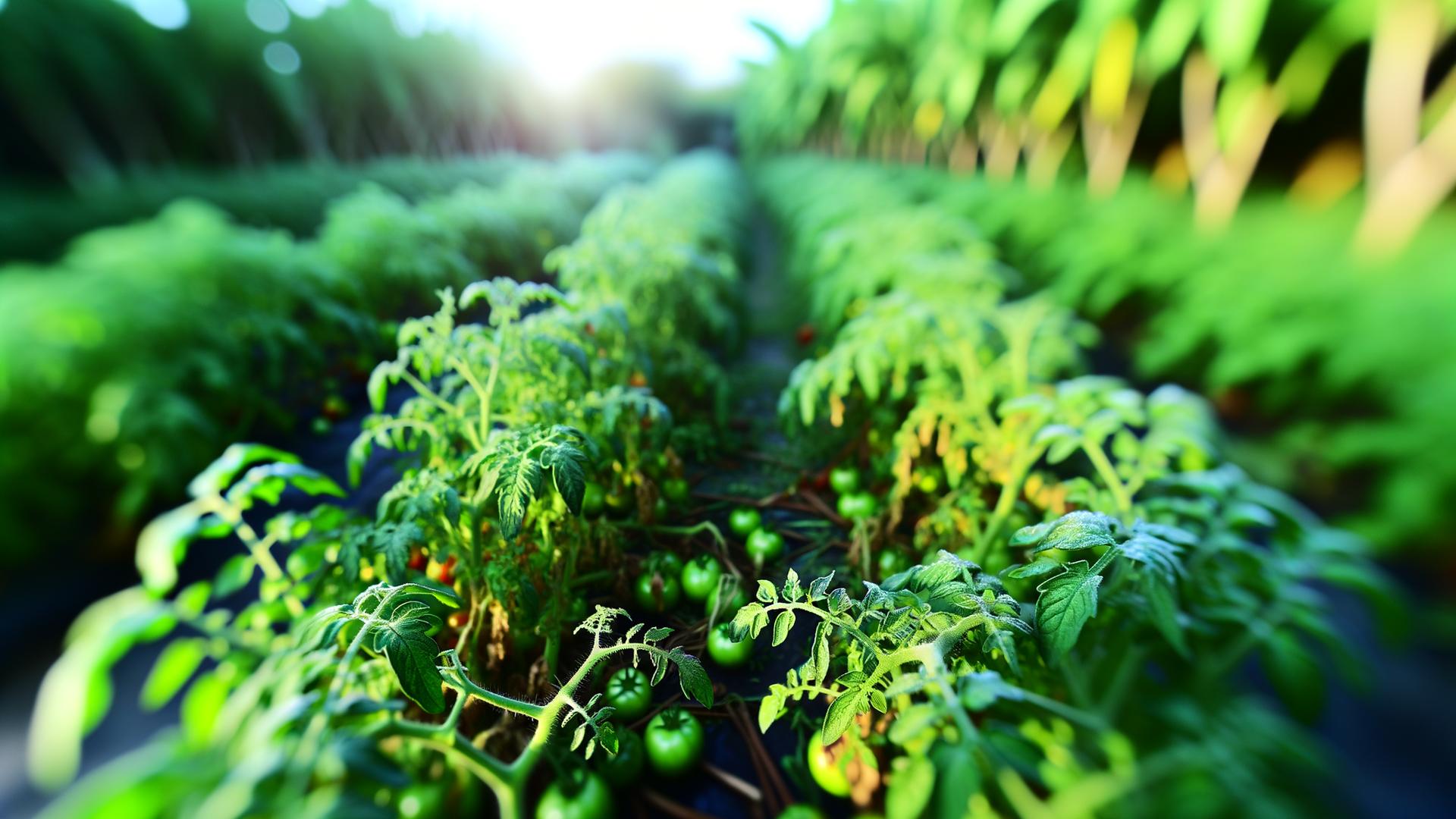
While all plants can benefit from the addition of calcium, some crave it more than others. Tomatoes, peppers, and eggplants are notorious for needing extra calcium to prevent blossom-end rot, a condition resulting from calcium deficiency. Adding crushed eggshells can work wonders for these plants, ensuring they grow healthy and robust.
Preparing Eggshells for the Garden
Collection and Cleaning
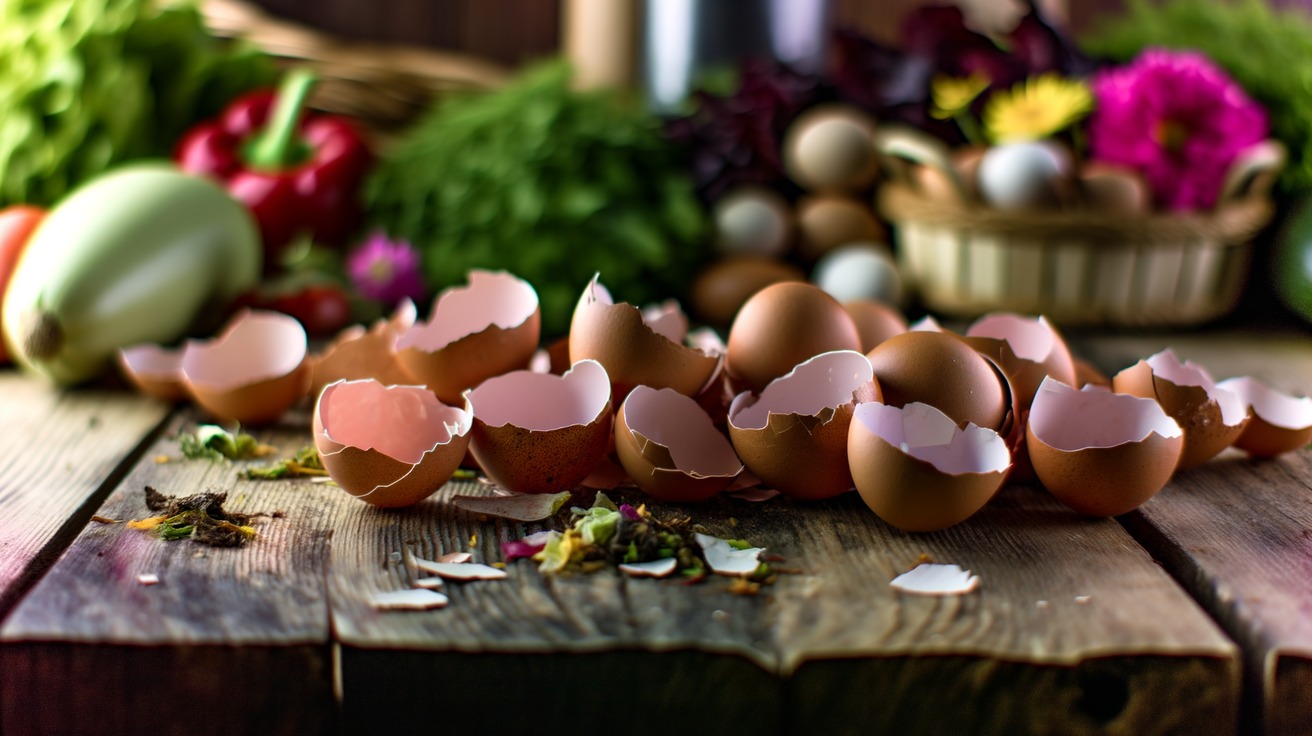
Start by collecting eggshells after cooking. Rinse them thoroughly to remove any residual egg whites, which can attract pests. Allow them to dry completely – you can speed this process by placing them in a low-temperature oven for 10 minutes.
Crushing Techniques
Crushing the eggshells increases their surface area, speeding up their decomposition in the soil. Use a mortar and pestle or a simple rolling pin to break them down into small pieces. For an ultra-fine powder, a blender or coffee grinder works wonders.
Storage Solutions
Store your crushed eggshells in a sealed container until you’re ready to use them. A clean, dry mason jar in a cool place is ideal to keep moisture and pests at bay.
Creative Ways to Use Eggshells in Gardening
Eggshells as Fertilizer
Eggshells make an excellent organic fertilizer. Sprinkle the crushed shells directly into the soil around your plants for a steady release of calcium and minerals.
Compost Enhancement
Add eggshells to your compost bin. They break down over time, enriching the compost with minerals and aiding in the decomposition process by helping maintain a balanced pH.
Pest Deterrent
Crushed eggshells have a sharp texture that can deter soft-bodied pests like slugs and snails. Sprinkle a barrier of shells around your vulnerable plants to protect them.
Seed Starting Pods
Halved eggshells can serve as natural seed starting pods. Fill them with potting soil, plant a seed, and when transplanting, crush the shell and plant it directly into the soil.
Soil Amendment
For potted plants, mix a handful of crushed eggshells into the potting mix to improve drainage and prevent root rot.
FAQs: Answering Common Questions About Eggshells in Gardening
-
Can I use colored or brown eggshells in my garden?
- Yes, all types of eggshells, regardless of color, offer the same benefits when used in gardening.
-
How long do eggshells take to decompose in the soil?
- Eggshells take about six months to decompose fully, depending on the particle size and soil conditions.
-
Do eggshells attract pests if not cleaned properly?
- Unclean eggshells can attract pests like rodents. Always rinse and dry them before use.
-
Can eggshells be used in indoor plant care?
- Absolutely! When finely crushed, eggshells can be mixed into the potting soil of indoor plants.
-
Is there a limit to how many eggshells can be added to a compost pile?
- While there's no strict limit, ensure a balanced mix of greens and browns to maintain a healthy compost pile.
-
Do eggshells repel all garden pests?
- They are most effective against soft-bodied pests like slugs and snails but may not deter larger pests.
-
How often should eggshells be applied to the garden?
- Applying eggshells once a season is typically sufficient, but it varies based on individual plant needs.
-
Can I blend eggshells with other organic fertilizers?
- Yes, eggshells complement other organic fertilizers and can be mixed for a broader spectrum of nutrients.
-
What should I do if I run out of eggshells?
- Alternative calcium sources like bone meal or lime can be used in addition until more eggshells are available.
-
Can eggshells alter the soil pH significantly?
- Over time, they can mildly raise soil pH, which is beneficial for acidic soils. However, dramatic changes are unlikely without large quantities.
A Commitment to Sustainable Gardening
Incorporating eggshells into your gardening practices reflects a commitment to sustainability and the circle of life. What began for me as a simple way to enrich my soil became a lesson in valuing resources and closing the loop of consumption and waste. By embracing the potential of eggshells, not only do we feed our plants, but we also nurture a deeper connection with nature — a reminder that every small effort counts in our garden and beyond.
Discussion (0)
No comments yet. Be the first to start the conversation!
Leave a Reply