Transform Your Garden: This Kitchen Scrap Outperforms Fertilizer for Free!
Once upon a time, in the quaint town of Green Haven, there lived an elderly woman named Eva who owned the most fascinating garden you could ever imagine. Flowers of every color imaginable sprouted in harmonious symphony, and the delicious aroma of her homegrown vegetables wafted through the air, inviting admiration from passersby. People often wondered about Eva’s secret to maintaining such an alluring garden. Was it the mystical weather of Green Haven or perhaps some kind of magical potion? The answer, however, rested in a simple kitchen scrap: the banana peel.
Eva’s journey to this verdant paradise began through necessity rather than choice. A seasoned gardener, she found herself unable to afford expensive chemical fertilizers. Determined not to let this stand in her way, Eva remembered her grandmother's advice: “Waste not, want not.” From that day forward, Eva vowed to turn every kitchen scrap into a new opportunity for her flourishing garden.
Now, I invite you to explore, just as Eva did, the wonders of the forgotten banana peel and how it can truly transform your garden.
The Humble Banana Peel: Nature's Powerhouse
When life gives you bananas, don't just throw away the peel! This often-discarded kitchen scrap is a treasure trove of nutrients that can radically improve your garden soil. Banana peels are a natural source of essential nutrients like potassium, phosphorus, and calcium, all critical for plant growth and strength. Not only are these nutrients vital for plants, but they also contribute to better yield and enhanced resistance to pests and diseases.
The Science Behind Banana Peels
Let's dive a bit deeper into the nutrients found in a banana peel. Potassium is the key player, making up about 42% of the peel. It is vital for photosynthesis and plant vigor, enabling the movement of water and nutrients in plant tissue. Phosphorus aids in root development and boosts flowering, while calcium fortifies plant cell walls.
Together, these nutrients address some of the most common causes of stunted plant growth and poor flowering. Unlike synthetic fertilizers that might run off and damage the environment, banana peels break down naturally, enriching your soil sustainably.
How to Incorporate Banana Peels Into Your Garden
While simply tossing banana peels onto the ground can indeed help, there are numerous methods to more effectively incorporate them into your garden.
Composting Banana Peels
One of the most popular methods is to compost them. By adding banana peels to your compost pile, you're not only recycling organic waste but also enriching your compost with additional nutrients. Chop the peels into smaller pieces before adding them, as this speeds up the composting process.
Banana Peel Tea
Another innovative and easy technique is making a banana peel tea. Soak chopped banana peels in water for a couple of days, then use the nutrient-rich water to fertilize your plants. This method allows the nutrients to be absorbed directly through the soil, ready for uptake by your garden.
Direct Soil Application
For those looking to act swiftly, simply burying banana peels near the base of your plants can be astoundingly effective. Over time, they will decompose and act as a slow-release fertilizer, feeding your plants steadily as they break down.
Making Banana Peel Powder
If you prefer a dry option, making banana peel powder might be the way to go. Dehydrate the peels, and once they are thoroughly dried, grind them into a fine powder. You can mix this powder into the soil or use it as a top dressing.
The Benefits of Using Banana Peels Over Synthetic Fertilizers
While synthetic fertilizers have their place, relying on them comes with certain drawbacks, especially for enthusiastic gardeners aiming for sustainability.
Environmental Impact
Synthetic fertilizers can lead to nutrient runoff, causing eutrophication in nearby water bodies, which harms aquatic life. In contrast, banana peels promote a cyclical, zero-waste system, embodying a greener, more environmentally friendly approach to gardening.
Soil Health
Over-reliance on chemical fertilizers may degrade soil health by negatively impacting beneficial soil microorganisms. Banana peels, however, improve soil structure and encourage a thriving ecosystem beneath the surface.
Cost-Effectiveness
Let's not forget the economic advantage of using banana peels. They are essentially free, providing an accessible fertilizer alternative, especially when compared to costly synthetic concoctions.
Addressing Common Concerns and Tips for Best Results
Are Banana Peels Really Enough?
While banana peels are a magnificent addition, a balanced approach will yield the best results. Integrate other organic matter into your gardening routine alongside banana peels to ensure a well-rounded nutrient base.
Avoiding Pests
Some might worry about attracting rodents or pests with banana peels. To minimize this risk, bury peels several inches underground or compost them to mask any enticing aromas.
Tailoring to Plant Needs
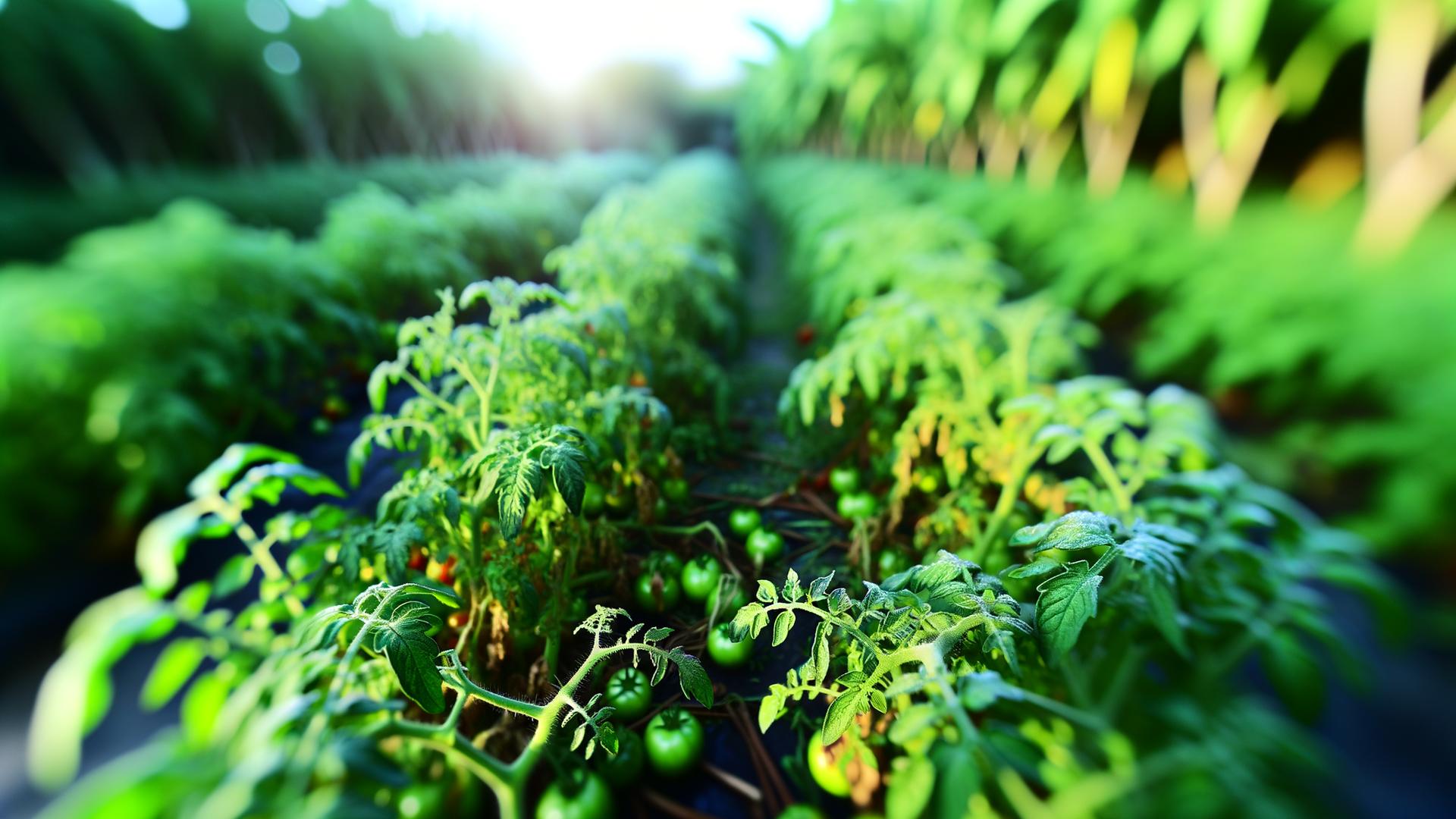
Certain plants benefit more from the nutrients in banana peels than others. Plants like tomatoes, peppers, and roses are particularly responsive to potassium-rich amendments. Keep this in mind when distributing your banana peel applications.
Success Stories: How Banana Peels Changed Gardens Worldwide
Heartwarming tales similar to Eva’s abound in gardening communities around the globe. From suburban backyards to urban balcony gardens, individuals have harnessed the power of banana peels to revitalize their green spaces.
In Kyoto, Japan, a group of community gardeners reported improved yield in their vegetable patches using banana peel amendments. In Toronto, Canada, a budding horticulturist transformed a lackluster balcony garden into a lush sanctuary with the help of banana peel compost.
These stories illustrate that no matter where you are or the size of your gardening space, harnessing the humble banana peel can result in significant transformations.
Frequently Asked Questions
Are banana peels suitable for all plants?
While banana peels benefit many plants, those that thrive on potassium such as tomatoes, peppers, and roses will see the most pronounced improvements.
How often should I use banana peels in my garden?
Depending on your method, banana peels can be used throughout the growing season—compost them continuously or apply monthly as direct soil amendments.
Will banana peels attract pests?
Burying banana peels or incorporating them into compost helps to avoid attracting unwanted pests by masking any odors.
Can I use banana peels if I have a small garden or container plants?
Absolutely! Adjust the quantity based on the space, and they can be ideal for small gardens and potted plants.
Do dried banana peels have the same effect as fresh ones?
Yes, dehydrated banana peels ground into powder offer the same benefits and are a great option for those seeking longevity and convenience in application.
Should I avoid using banana peels if my garden has certain pests?
It depends on the pest, but proper application—such as burying or composting—can generally mitigate pest issues.
How should I store banana peels until I use them?
Storing banana peels in a freezer until ready for use can slow decomposition and is particularly helpful if you're gathering peels for composting.
Will banana peels change the pH of my soil?
Banana peels have a negligible impact on soil pH, with their main contribution being in nutrient delivery.
Is banana peel application safe for wildlife?
When used correctly, banana peels are harmless to wildlife and even contribute to a richer habitat for beneficial insects.
Can I use banana peels with other types of organic waste?
Certainly, combining banana peels with other organic materials like coffee grounds, eggshells, and leaves will make for an even richer amendment.
Discussion (0)
No comments yet. Be the first to start the conversation!
Leave a Reply