


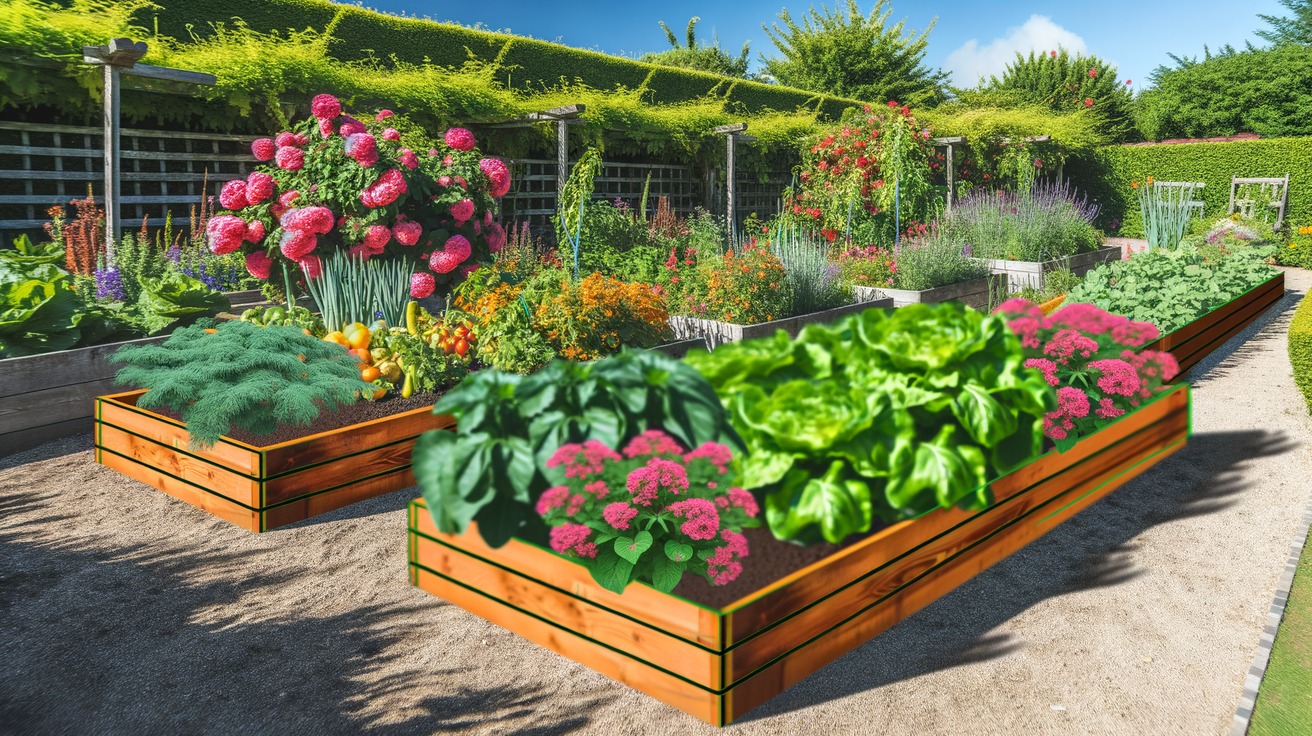
A Miracle: The Unexpected Transformation of My Garden
As a passionate gardener, I've always prided myself on maintaining a lush and bountiful garden. My weekends were dedicated to nurturing my little patch of paradise, where everything from vibrant petunias to crunchy carrots thrived under the sun. Yet, despite my best efforts, I often felt that my garden wasn't quite living up to its full potential. Little did I know that the answer to my dilemma would come in the form of a humble, $12 raised bed that dramatically outperformed the rest of my garden.
It all began one late spring afternoon while wandering through a local garden center. There I stumbled upon a discounted kit for a raised garden bed, marked down simply because of a minor scratch on the box. With a skeptical heart but intrigued mind, I decided to give it a chance. Little did I know, that unassuming purchase would change my gardening journey forever.
The Journey to Discovering the Power of Raised Beds
The Initial Set-Up: An Experiment Begins
Back home, I assembled the raised bed with ease. Within an hour, it stood sturdy on my plot, ready to embrace its botanical occupants. Wanting to test its capabilities, I filled it with a carefully selected mix of nutrient-rich soil, compost, and some heirloom seeds I had been saving for a special occasion.
The Early Days: Observations and Adjustments
Within a week, the difference was already palpable. While the rest of my garden was striving to awaken from its winter slumber, the raised bed sprouted life with vigorous enthusiasm. The seeds germinated faster, and the seedlings seemed to beam with energy. It was clear something special was happening.
Unexpected Surprises: Thriving Against All Odds
Then came the summer heat, an annual battle that often left parts of my garden parched and needy. Yet, to my surprise, the plants in the raised bed thrived, seemingly unaffected by the harsh conditions. The soil retained moisture better, thanks to the elevated structure, while the improved drainage prevented any sogginess from sporadic rain showers.
The Benefits Unveiled: Why the Raised Bed Triumphed
Enhanced Growth
One significant advantage of raised beds is the improved root growth. The loose, aerated soil allows roots to spread and breathe freely, leading to stronger plants with higher yields. In contrast, the compacted ground in traditional beds often hinders root expansion, which can stunt growth and reduce productivity.
Improved Soil Quality
The life force behind the raised bed's success was, undoubtedly, the superior soil quality. By manually mixing high-quality soil with compost and organic matter, I created a fertile environment tailored specifically for the needs of my plants. This difference was starkly noticeable when compared to the rest of my garden, where the naturally clay-heavy soil posed more of a challenge.
Pest and Weed Control
Raised beds offer natural barriers against common garden pests. Their height makes it more challenging for creatures like snails and slugs to wreak havoc on tender plants. Moreover, since the soil was prepped and monitored closely, weeds were virtually non-existent, saving me countless laborious hours of weeding.
Ease of Access
The ergonomic design of a raised bed is undeniable. No longer did I have to kneel and hunch, straining my back to tend to my plants. Everything was within an arm's reach, making planting, pruning, and harvesting a joy rather than a chore.
Tips for Building Your Own Raised Bed
Choosing the Right Materials
- Lumber: Opt for untreated wood like cedar or pine. These are cost-effective and resistant to decay.
- Soil: Use high-quality soil enriched with compost. A balanced pH and nutrient-rich mix will foster healthy plant growth.
Construction Basics
- Dimensions: Aim for a depth of at least 12 inches to support root expansion. A width of 4 feet allows you to reach the center from either side, while length can vary based on your space.
- Placement: Choose a sunny spot and ensure the ground beneath is level for even water distribution.
Maintenance Musts
- Seasonal Care: Refresh the soil with compost annually and periodically check for any necessary repairs to the structure.
- Rotation: Rotate crops each season to prevent nutrient depletion and control pests.
Frequently Asked Questions
What size should a raised bed be?
The optimal dimension is typically 4 feet wide by 8 feet long and at least 12 inches deep, making it accessible from both sides.
Can I use any type of wood for a raised bed?
While you can use any wood, untreated options like cedar or pine are recommended due to their resistance and affordability.
Do raised beds dry out faster than traditional garden soil?
Raised beds can dry out quicker, especially during hot weather. Regular watering and mulching can help retain moisture.
How do I prevent weeds in a raised bed?
Start with a high-quality soil mix and consider adding a weed barrier at the base. Regular monitoring and mulching also help.
Are raised beds suitable for all types of plants?
Most plants thrive in raised beds, though some may require more depth or specific soil conditions, like root vegetables.
How often should I change the soil in a raised bed?
It's advisable to amend the soil annually with compost or organic matter, rather than completely changing it.
Can I place a raised bed on a hard surface like concrete?
Yes, but ensure good drainage by placing a lining of gravel at the bottom before adding soil.
Is it more expensive to fill a raised bed?
Initially, it may cost more to fill a raised bed with high-quality soil. However, the long-term benefits and yields often justify the expense.
How can I control pests in a raised bed?
Maintaining healthy soil, using companion planting, and regular monitoring are effective ways to control pests naturally.
Are there any plants I should avoid in a raised bed?
Avoid planting invasive species or those that require specific soil types not conducive to raised bed conditions.
Discussion (0)
No comments yet. Be the first to start the conversation!
Leave a Reply