

A Personal Journey of Resilience
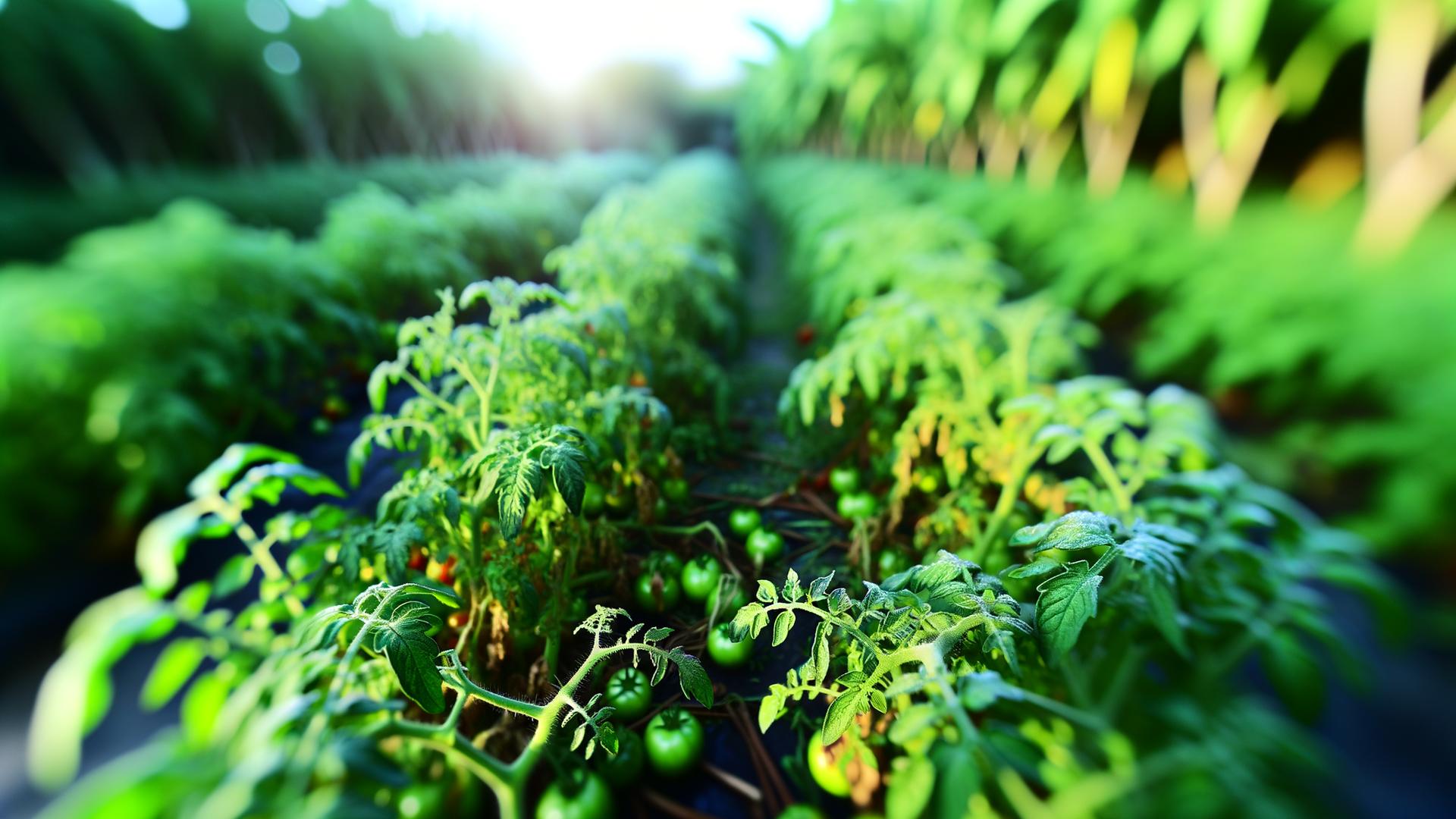
As I gazed upon my once-thriving garden, its leaves now crisped from the relentless summer heat, a pang of loss echoed through me. This garden was more than a collection of plants; it was a sanctuary, a piece of art, and a tribute to the wisdom of my grandmother who taught me the art of nurturing and growth. Gardening was a shared passion—hers a voice of encouragement, her hands guiding mine through the rich soil when I was a child.
But now, things had changed. The warming climate was playing havoc, and year after year, drought conditions were making it harder to maintain that lush, verdant life I so cherished. Yet, nestled within these challenges was a hidden whisper of hope—a burgeoning secret set to transform gardens worldwide by 2026. And that secret? The art of drought-proofing.
Understanding the Need for Drought-Proofing
The Harsh Reality of Climate Change
The effects of climate change are no longer a distant prediction but a very present reality. Higher temperatures and erratic weather patterns are transforming the traditional gardening landscape. Droughts, increasingly severe and frequent, threaten the sustainability of our gardens.
The Traditional Approach
Historically, gardeners opted for plants requiring vast amounts of water, believing this was the only way to achieve a luscious green space. However, as water becomes an ever-scarcer resource, such practices are unsustainable. The quest for more sustainable gardening techniques is driving innovation and creativity.
Unveiling the 2026 Drought-Proofing Secret
The Science Behind Drought-Resistant Innovations
The breakthrough of 2026 harnesses biotechnological advances to develop drought-tolerant plant varieties. These remarkable plants are equipped with advanced root systems, allowing them to thrive in arid conditions by maximizing water absorption and retention.
Incorporating these plants into your garden design not only ensures resilience during dry spells but also contributes to a broader environmental effort to conserve water resources on a global scale.
Strategies for a Drought-Proof Garden
Beyond selecting drought-resistant plants, several strategies can bolster your garden's ability to withstand dry conditions:
-
Smart Watering Techniques: Efficient irrigation systems and drip watering minimize water waste while ensuring your plants get the moisture they need directly at the roots.
-
Mulching: Applying a layer of organic mulch helps retain soil moisture, suppress weeds, and reduce evaporation.
-
Soil Health: Improving soil quality with organic matter enhances its water-holding capacity, giving plants a stronger foothold during droughts.
-
Plant Zoning: Group plants with similar water needs together to streamline irrigation and reduce water use.
Selecting the Right Plants
The New Era of Flora
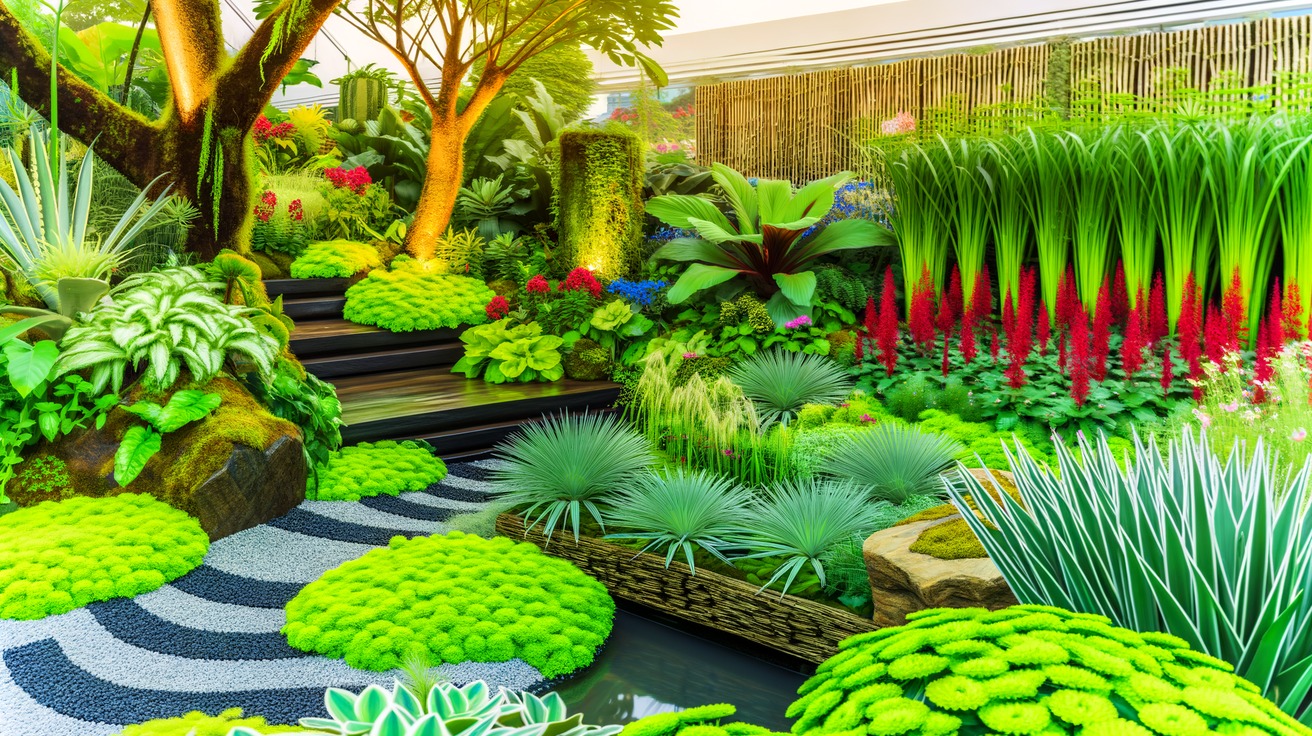
A new wave of resilient plant species is here, bringing beauty and functionality to water-wise gardens. Popular choices include:
-
Succulents and Cacti: Known for their adaptability and striking appearance, succulents store water in their leaves, making them perfect for dry climates.
-
Native Perennials: Often overlooked, local plant species have naturally adapted to thrive in your specific climate, offering resilience and low-maintenance beauty.
-
Ornamental Grasses: Varieties like blue fescue and buffalo grass offer texture and movement while requiring minimal water.
Integrating Innovation with Tradition
While embracing new plant varieties, do not be afraid to incorporate traditional gardening knowledge. Companion planting, understanding natural pest control, and maintaining biodiversity are all critical components of a robust garden capable of weathering the storm of drought.
Cultivating Community and Knowledge Sharing
The Role of Community in Sustainable Gardening
Adopting drought-proof gardening practices isn’t a solo endeavor. Engage with your local gardening community, share resources and experiences, and learn from those who have implemented these practices successfully.
Workshops and Online Resources
Gardening workshops, both in-person and online, offer invaluable knowledge. Social media platforms and gardening forums are treasure troves of tips and stories. As you embark on this journey, remember: knowledge is the best fertilizer for a thriving garden.
Monitoring and Adapting to Conditions
Stay Observant
Continuous observation of your garden will provide insights into how plants are responding to drought-proofing efforts. Watch for changes in leaf texture or color, which might indicate water stress or adaptation.
Flexibility is Key
As climate conditions shift, be ready to adapt your gardening strategies. Flexibility is your greatest asset in crafting a sustainable, thriving garden.
The Emotional Reward
Reclaiming Peace and Resilience
The process of drought-proofing your garden isn't merely a battle against climate change; it’s a reaffirmation of life and resilience. It offers peace of mind knowing that your sanctuary can endure life's trials with grace.
Connection to Heritage
Every drop of water saved, every plant thriving under the beating sun, echoes a gardener’s innate resilience and capacity for innovation. By adopting these practices, you are part of a lineage of gardeners who have adapted, thrived, and celebrated the extraordinary tenacity of nature.
Frequently Asked Questions
What are the best drought-tolerant plants for my region?
Understanding your local climate is crucial. Explore local native plants as they are already adapted to your climate and are likely to thrive with minimal intervention.
How often should I water my drought-proof garden?
It's generally sufficient to water once a week, deeply soaking the soil, which encourages roots to grow deeper and access moisture more effectively.
Can I have a lush, colorful garden without using much water?
Absolutely! Through thoughtful plant selection and design, your garden can be both vibrant and water-efficient.
What is the most efficient way to apply mulch?
Apply a 2-3 inch layer of organic mulch over your soil once your plants are mature enough to avoid smothering young seedlings.
How do I group plants by water needs?
Research the water requirements of the plants you choose and group those with similar needs together to optimize irrigation efforts.
What's the role of technology in drought-proof gardening?
Tech innovations such as drip irrigation systems, soil moisture sensors, and smart water controllers help optimize water usage efficiently.
What are some common signs of water stress in plants?
Signs include wilting, brown leaf tips, and yellowing leaves. If you spot these signs, adjust your watering practices accordingly.
How can community gardens help in drought-proofing?
Community gardens allow for resource sharing, collective learning, and foster a support network to experiment with and adopt drought-proof practices.
Can mulching really make a difference?
Yes, mulching significantly reduces soil water loss, suppresses weed growth, and improves soil quality, boosting your garden's resilience.
How can I continuously learn about drought-proof gardening?
Regularly connect with local gardening groups, attend workshops, and stay updated with reliable online gardening platforms for evolving practices.
Discussion (0)
No comments yet. Be the first to start the conversation!
Leave a Reply