A Bloom to Remember: My Garden Journey
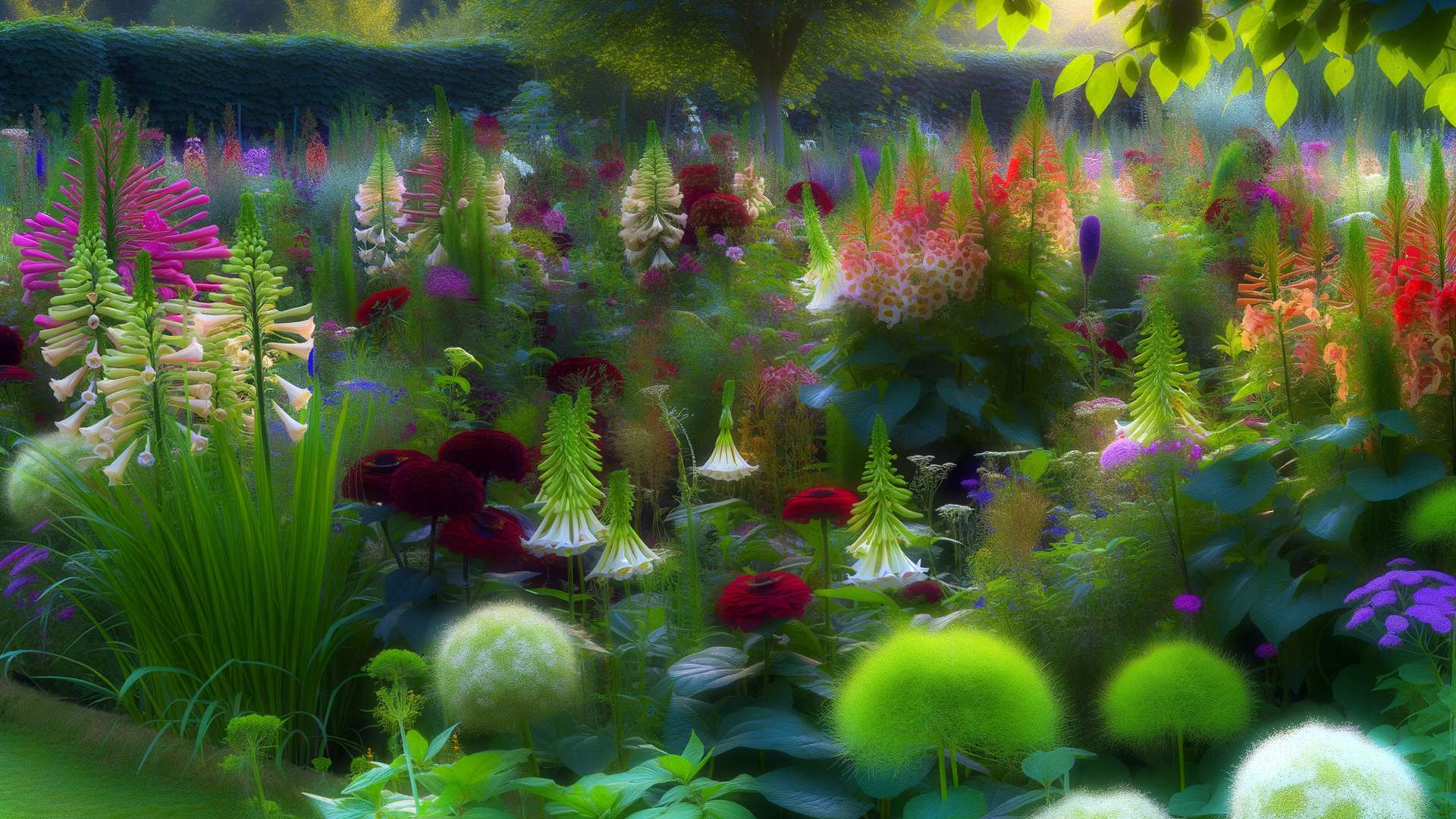
When I was a child, my grandmother's garden was a sanctuary. It was a universe filled with colors and scents, each flower more captivating than the last. She taught me that a garden is more than a collection of plants; it's an evolving piece of art that transforms with the seasons. My favorite memories always rested in the endless blooms that unfolded from spring to the last whispers of fall. Inspired by her passion, I yearned to recreate that magic and share it with others. Thus began my own journey into the lush and vibrant world of summer blooms.
Each year, I cultivated an ever-changing kaleidoscope of flowers that ensured my garden thrived in a colorful display from June into the cool breezes of October.
Understanding Bloom Cycles
The Science of Blooming
Gardens that boast blooms all summer long aren't accidental; they're a result of understanding plant bloom cycles and peak flowering times. Typical full-bloom periods usually fall in spring and early summer, but extending that show requires a strategic selection of both early and late-blooming species.
Timing is Everything
The secret lies in planning. Some plants, such as peonies, dazzle in early summer, while others, like coneflowers, offer vibrant color deep into the fall. By layering plants based on bloom times, you can ensure your garden never loses its charm.
Top Perennials for Continuous Blooms
Coneflower (Echinacea)
Coneflowers are a cornerstone of a summer garden. Known for their hardy nature and vibrant petals, these blossoms thrive on minimal care. Available in a myriad of colors, from the classic purple to sunny yellows and soothing whites, coneflowers continue to bloom even through droughts.
Black-Eyed Susan (Rudbeckia)
When it comes to tough plants that laugh in the face of blistering summer heat, Black-Eyed Susans stand tall. These cheerful yellow petals surround velvety brown centers, providing garden shine from late spring through fall. Interestingly, the more you pick them, the more they bloom!
Salvia (Salvia nemorosa)
Salvias are a must for any aspiring dream garden. Their stunning spikes of indigo or violet blooms beckon all manner of pollinators. Prone to repeated blooming when deadheaded regularly, they bring vertical interest to your summer landscape.
Annuals for Colorful Impact
Petunias
Versatile, colorful, and available in almost every hue possible, Petunias turn an ordinary garden into a visual masterpiece with their cascading blooms. They respond well to deadheading and frequent feeding, rewarding gardeners with a non-stop show until frost.
Marigolds
The sunny faces of Marigolds add bold hues and repel pests, making them both beautiful and practical. Their ability to adapt to any soil makes them a gardener's favorite. Even when pinched back regularly, they'll keep your garden ablaze with color.
Zinnias
No garden seeking summer-long blooms is complete without Zinnias. Thriving in sunny beds and containers alike, these bright blooms come in a rainbow of colors and offer a performance that stretches through the hottest months.
Shrubs That Provide Lasting Flowers
Hydrangeas
Few plants are as captivating as Hydrangeas. With enormous blooms that transform from creamy whites to deep purples and vivid blues depending on soil pH, they provide a stunning, long-lasting splash of color.
Butterfly Bush (Buddleja)
Sending a sweet aroma into your garden, the Butterfly Bush attracts both butterflies and hummingbirds. With flowers appearing in delightful colors and elongated spikes throughout the summer months, they're a beautiful addition guaranteed to impress.
Edible Bloomers
Nasturtium
Adding Nasturtiums to your garden not only brings a lovely floral array but also introduces spicy-tasting blossoms to your salad bowl. The wide variety of color in these edible blooms last through the summer and into early autumn.
FAQs About Summer-Blooming Gardens
What is the best way to ensure my plants bloom all summer?
Ensuring continuous blooms involves choosing a mix of perennials and annuals with varied bloom times. Deadheading and fertilization are also crucial for extended flowering.
How often should I water my summer flowers?
Most summer flowers require consistent watering, typically every other day, especially during dry spells. However, always check the specific needs of each plant species.
Do I need to fertilize flowers during summer?
Yes, regular fertilization supports sustained blooming. Use balanced, water-soluble fertilizers every 4-6 weeks for best results.
Can all flowers be deadheaded?
Almost all flowers benefit from deadheading. This process not only promotes further blossoming but also maintains a tidy appearance.
Are there any pests that can harm my summer blooms?
Common issues include aphids, snails, and spider mites. Regularly inspect plants and use eco-friendly pest control methods as needed.
What annual plants are suited for pots and containers?
Petunias, marigolds, and geraniums are excellent choices for container gardening, as they're vibrant and can withstand varied conditions.
How can I extend the blooming period of perennials?
Regular deadheading, appropriate pruning, and proper soil nutrition can extend the flowering period of most perennials.
Is it possible to have a blooming garden without sunlight?
While sunlight is critical for most flowering plants, certain species like Impatiens can thrive in shady areas, offering blooms in less sunny spots.
What should I do with my garden at the end of summer?
Begin by cutting back perennials, removing annuals past their prime, and consider planting fall bulbs for spring blooms.
Are summer blooming gardens high maintenance?
With the right selection of drought-tolerant, pest-resistant plants, summer gardens can be relatively low-maintenance. Regular weeding and watering ensure the best results.
Discussion (0)
No comments yet. Be the first to start the conversation!
Leave a Reply