Unlock the Secrets: Why Your Tomatoes Crack and How to Fix It!
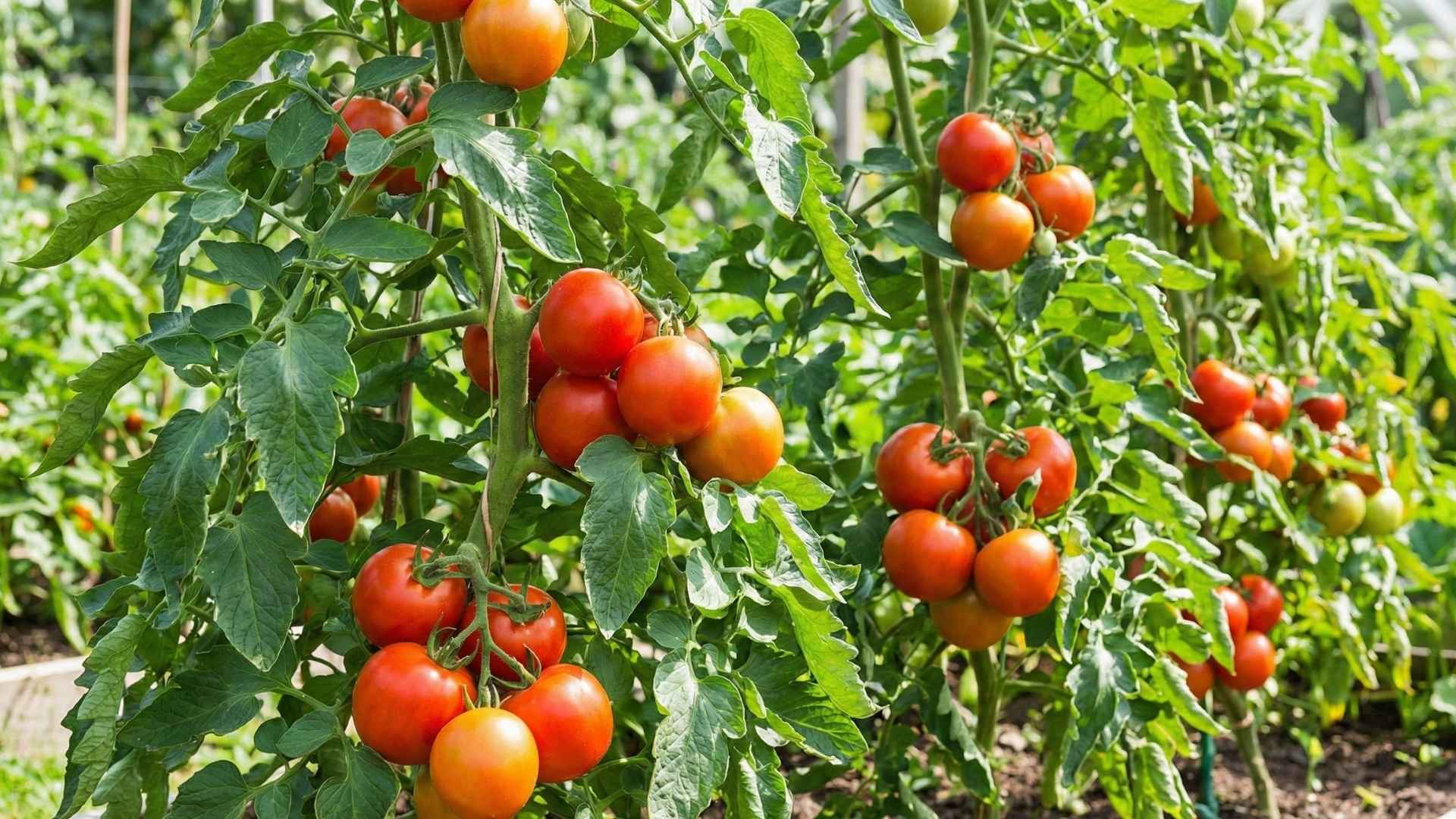
One fine morning, Lucy, an avid gardener with a heart full of dreams for her tomato plants, walked through her lush garden. Her eyes sparkled like the morning dew as she looked forward to harvesting a bounty of ripe, perfect tomatoes. But as she approached her beloved plants, horror struck — her plump, juicy tomatoes were marred with cracks, a sight no gardener wants to see. Disheartened yet determined, Lucy embarked on a journey to unveil the mystery behind these cracked tomatoes and find a way to prevent it.
Come along on this journey with Lucy as we explore why tomatoes crack and how to fix this enigmatic problem, ensuring a future harvest of flawless tomatoes.
The Anatomy of a Tomato
Before delving into the reasons behind cracked tomatoes, it's essential to understand the anatomy of this fruit. Yes, botanically speaking, tomatoes are fruits! The tomato comprises a thin outer skin, a layer of flesh, juice, and seeds encased within gel sacs. This structure is crucial because it determines how a tomato reacts to its environment.
Seeds of Growth: The Role of Plant Stress
Plants, much like humans, respond to stress in various ways. When tomatoes are subjected to environmental stress, whether through inconsistent watering, rapid growth, or temperature fluctuations, their outer skin can become brittle or incapable of expanding at the needed rate to keep up with the growth of the flesh underneath. This imbalance is the underlying cause of cracking.
The Cracks of Doom: Types of Cracks
Tomatoes, despite their robust exteriors, are prone to two common types of cracks:
Radial Cracking
Just like a sunburst, radial cracks extend outward from the stem of the tomato. This type of cracking often occurs when sudden growth, usually spurred by heavy rainfall or excessive watering after a dry spell, makes the inner fruit grow faster than the skin can cope.
Concentric Cracking
Concentric circles form around the stem, creating a bullseye pattern on top of the tomato. This is usually caused by steady and slow growth that meets environmental stressors. While it might seem aesthetically pleasing, it's an indication your tomatoes are struggling with excess moisture or uneven ripening.
Unveiling the Culprits: Why Tomatoes Crack
Lucy soon realized there were several reasons why her tomatoes were breaking apart.
1. Uneven Watering
The prime suspect in tomato cracking is inconsistency in watering. When tomatoes are deprived of water, they become desperate. Their cells are parched and crying out for moisture. Suddenly ease their thirst with too much water and they'll swell hastily, causing the skin to rupture.
2. Weather Whims
Ah, the unpredictability of Mother Nature. Sudden downpours or prolonged droughts can throw a wrench in any gardener's plans. Rain after an extended dry period can lead to the rapid intake of water by tomato plants, causing the fruit to crack.
3. Overfertilization
In her quest for perfection, Lucy had a tendency to over-fertilize. Rich soil boosts growth, but too much nitrogen encourages fast vegetative growth at the expense of fruit health, potentially leading to fragile skin that is prone to cracking.
4. Tomato Varieties
Some tomato varieties are simply more prone to cracking. Cherry tomatoes, for example, are notorious for it. Choosing cracking-resistant varieties can be key.
5. Temperature Extremes
Hot and cold snaps can stress your tomato plants, impacting how easily the skin can stretch to accommodate growing flesh within. Consistent mild temperatures are ideal to prevent stress cracking.
The Detective Work: How to Fix and Prevent Tomato Cracks
Now that we know why it happens, let's figure out how Lucy — and you — can prevent the dreaded tomato cracks.
1. Consistent Watering Practices
Water your tomato plants deeply but infrequently, ensuring the soil remains consistently moist but not waterlogged. Using a drip irrigation system or soaker hoses can help deliver water directly to the plant roots, minimizing surface evaporation and stress.
2. Mulching Magic
Mulch is a garden wizard when it comes to retaining soil moisture and regulating temperature. Apply a generous layer of organic mulch, like straw or shredded leaves, around your tomato plants to maintain consistent soil conditions.
3. Choose the Right Varieties
Opt for crack-resistant varieties such as 'Mountain Spring', 'Sun Gold', or 'Juliet'. By selecting these hardier breeds, you increase your odds of a flawless harvest.
4. Mindful Fertilization
Use a balanced, low-nitrogen fertilizer to avoid excessive vegetative growth. Aim for a formulation like 5-10-10, focusing on providing enough phosphorus and potassium for strong root and fruit development.
5. Pruning with Precision
Excessive foliage can lead to poor airflow and increased humidity around the plant, contributing to cracking. Prune your tomato plants to ensure good airflow, more focused energy on fruit development, and less susceptibility to sudden environmental changes.
6. Harvest Timing is Key
Become familiar with the texture and feel of your tomato varieties. Harvest your tomatoes before they fully ripen on the vine. Let them finish ripening on your kitchen counter, mitigating the risk of sudden growth spurts caused by rain or watering.
7. Protective Coverings
In areas prone to sudden temperature changes or heavy rains, consider using row covers to shield your tomato plants. These covers act as buffers against environmental stresses.
A Perfect Season: Tending to Your Garden
As Lucy continued her journey, she found herself in tune with her garden, applying her newfound knowledge to every aspect of her tomato care. Each lesson learned turned into daily practice, and every challenge became an opportunity to grow, not just for her tomatoes but for herself as a gardener.
With consistent watering schedules, mindful fertilization, protective mulching, and the right choice of tomato varieties, Lucy enjoyed a season rich with bountiful, unblemished tomatoes. Her garden was not just a space of cultivation but a sanctuary of peace and learning.
FAQs
-
Why do tomatoes crack after rain? Rain after a dry spell causes tomatoes to absorb water rapidly, leading to cracking as the skin can't expand quickly enough.
-
How can I prevent tomato cracking? Maintain consistent watering, use mulch, choose crack-resistant varieties, and avoid over-fertilizing.
-
Is cracked tomatoes safe to eat? Yes, provided there are no signs of rot or mold. Simply cut away any affected areas.
-
Can watering at specific times help prevent cracking? Watering in the morning allows the soil to dry somewhat during the day, reducing excess moisture.
-
Will pruning help prevent cracking? Yes, it improves air circulation and directs energy to fruit growth rather than excessive foliage.
-
What's a good watering schedule for tomatoes? Water deeply 1-2 times a week depending on your climate and soil conditions, ensuring consistent moisture.
-
Can cracked tomatoes still ripen off the vine? Yes, harvest them at the first sign of color and let them ripen indoors on the counter.
-
Are some tomatoes more resistant to cracking by default? Indeed, varieties like 'Celebrity', 'Sun Gold', and 'Juliet' are bred for crack resistance.
-
Why do smaller tomatoes, like cherry tomatoes, crack more often? Smaller tomatoes are more susceptible since their skins are thinner and can’t handle rapid moisture changes as well.
-
How does mulch help in preventing cracking? Mulch retains soil moisture and moderates temperature fluctuations, reducing plant stress.
As Lucy's story exemplifies, the journey of gardening is a tapestry woven with patience, understanding, and a touch of trial and error. Let each cracked tomato serve as a lesson, guiding us closer to the balance every gardener seeks. So go on, tend to your tomatoes with care, and unlock the secrets to a flawless harvest.
Discussion (0)
No comments yet. Be the first to start the conversation!
Leave a Reply