Discover the Best Flowers to Sow in February for a Stunning Spring Garden!
It was a crisp winter morning, and I wrapped my scarf a little tighter as I ventured into my garden. The world seemed asleep beneath the frost-kissed blanket, and yet, deep within the earth, magic was preparing to unfold. As I gazed at the blank canvas of soil, brimming with potential, I was reminded of my grandmother’s garden—a kaleidoscope of colors and life every spring. Her teachings beckoned me to begin planning for the breathtaking transformation that February sowing would bring. It’s a joy, a curative act, to engage with the rhythms of nature this way, sowing hope and beauty even when the world appears barren.
Here, dear reader, is a journey through the time-tested process of sowing the best flowers in February to ensure your own garden will blossom into brilliance come spring.
Preparing for February Sowing
Understanding Climate and Soil Conditions
February can be deceptively cold, yet it’s a powerful month for those who dare to defy the frost. Before you dive headlong into sowing, it's crucial to understand your garden's microclimate and soil conditions. Opt for a sunny spot, sheltered from harsh winds, and ensure your soil is well-drained.
Tools and Materials You’ll Need
To begin your February gardening adventure, gather essential tools: trowel, seed trays or pots, grow lights (if you're sowing indoors), and organic seed-starting mix. Also, consider getting some cloches or garden fleece if you're in an area prone to late winter frosts.
The Best Flowers to Sow in February
Sweet Peas (Lathyrus odoratus)
Sweet peas are a gardener's favorite for their heady fragrance and stunning variety of colors. These climbers are perfect for borders, trellises, or even in pots.
- Sowing Indoors: Start seeds in pots with moist seed compost. Ensure they receive plenty of light and keep them at a cool temperature.
- Transplanting: Once frost risks have passed, transplant them outdoors. Pinch out the tips to encourage bushier growth.
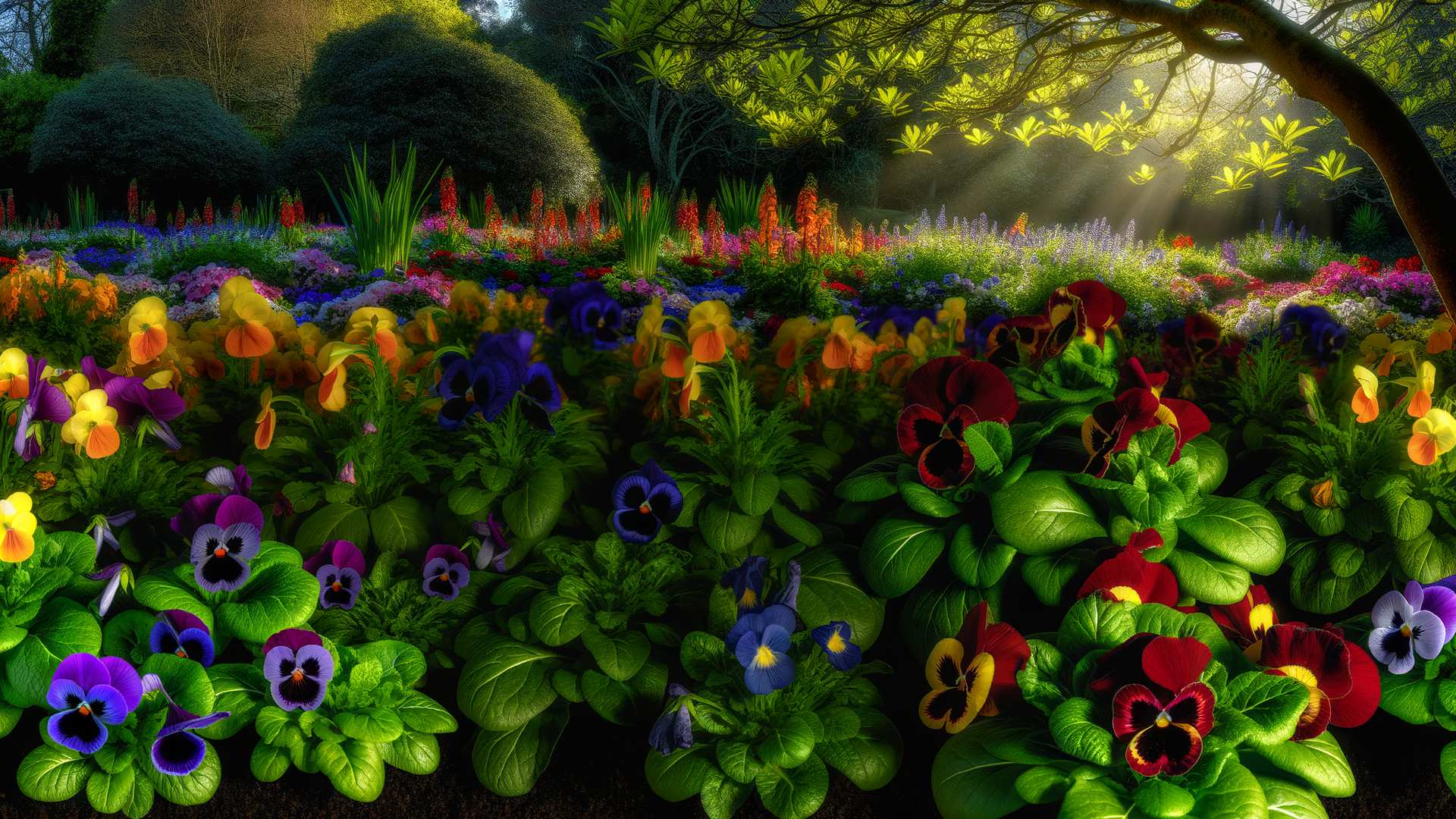
Pansies (Viola tricolor var. hortensis)
Pansies can withstand cooler temperatures, making them an excellent choice for early sowing.
- Sowing Tips: Sow pansy seeds indoors, under glass, or on a windowsill. Use well-draining seed compost.
- Caring for Seedlings: Once seedlings sprout, thin them out and transplant them into your garden beds or containers when they're large enough to handle.
Lupines (Lupinus)
Lupines add a vertical element to your garden with their tall, spiky flower clusters.
- Propagation: Lupine seeds have a hard coat, which you should nick with a knife before soaking for 24 hours.
- Sowing: Sow them in small pots to avoid root disturbance later on.
- Planting Out: Plant them in a sunny spot with good drainage for a summer bloom.
Black-eyed Susan (Rudbeckia hirta)
This wildflower boasts beautiful golden petals and a dark center, adding a sunlit charm to your garden.
- Germination Process: Sow seeds in a sunny spot or start indoors and transplant. Ensure soil is damp but not waterlogged.
- Growth Tips: Thin if necessary to allow space for root development, resulting in a robust plant.
Delphiniums (Delphinium elatum)
Delphiniums add a touch of elegance with their towering spires of colorful blossoms.
- Starting Delphiniums: Plant seeds in trays with damp compost. Cover with plastic until germination (usually in 10-21 days).
- Transplanting Outdoors: Bide your time until frost threats pass, then plant these beauties in rich soil.
Snapdragons (Antirrhinum majus)
Snapdragons hold the secret to never-ending blooms all season long.
- Sowing Method: Indoor seed-starting is best, using peat pots.
- Transitioning: Harden off seedlings gradually before planting outside in a sunny spot.
Cosmos (Cosmos bipinnatus)
For a touch of the cosmos, sow these dainty beauties that bring lightness and grace to the garden.
- Planting Guidelines: Start seeds indoors six weeks before the last frost. They flourish best under grow lights or in a sunny windowsill.
- Moving Outdoors: Space them generously to prevent overcrowding.
Zinnias (Zinnia elegans)
Bright and bold, zinnias are perfect for cutting and adding to vases.
- Sowing Details: Zinnias are best started indoors, in pots filled with seed compost.
- Sunlight Needs: Involve transplanting to a sun-soaked garden spot when the soil has warmed.
February Garden Care Tips
Monitoring Weather Conditions
Beyond understanding general climate, monitor local forecasts closely throughout February. Prepare to protect seedlings from unpredictable frosts by readying cloches or frost fleeces.
Watering and Fertilizing
While seeds need moisture to germinate, avoid overwatering. Allow the top of the soil to dry slightly before watering again. Once established, consider a diluted, balanced liquid fertilizer to support growth.
Common Mistakes to Avoid
Overcrowding Seeds
One of the most common errors is sowing seeds too densely, which limits each seedling's access to nutrients and light. Follow the spacing instructions for each plant species to prevent this.
Ignoring Pest Management
Even in February, pests can find their way in. Regularly inspect your seedlings and implement organic pest control measures like neem oil or insecticidal soap when necessary.
FAQs
-
How early can I sow flower seeds indoors? Generally, February is a suitable time for many flowers, but it's essential to check the specific guidelines for each species.
-
What is the best soil for seed sowing? Opt for a fine-textured, organic seed-starting mix for optimal moisture and nutrient balance.
-
Can I use garden soil for starting seeds indoors? It's better to use a seed-starting mix as garden soil may carry pests or disease and often drains poorly.
-
How do I know if my seeds have enough light? Seedlings reaching towards the light or becoming leggy may need more light; grow lights can help balance this.
-
What can I do to improve germination rates? Scarify hard-coated seeds, maintain optimal temperatures, and provide consistent moisture without waterlogging.
-
How important is temperature for seed germination? Extremely important. Most seeds require warmth for germination and may not sprout at cooler temperatures.
-
Can I sow all seeds directly into the garden? Some hardy seeds allow direct sowing; however, tender varieties generally need a head start indoors.
-
How do I keep my seedlings healthy indoors? Ensure adequate light, proper watering, and air circulation to prevent diseases like damping-off.
-
When is it safe to transplant seedlings outdoors? Move them after the last frost has passed, usually in late spring, when the soil has warmed.
-
What should I do if I discover pests on my seedlings? Act quickly with organic solutions or by removing infested parts. Early intervention is key to controlling spread.
Discussion (0)
No comments yet. Be the first to start the conversation!
Leave a Reply