


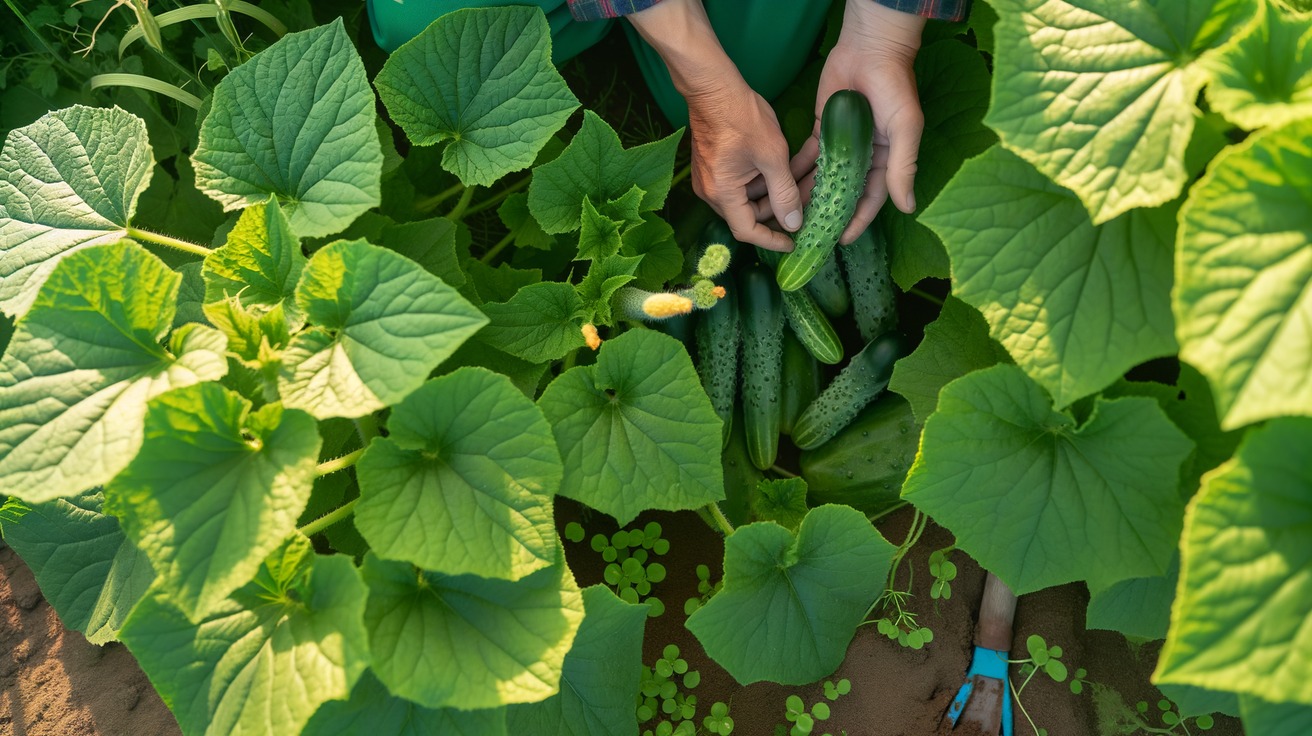
Transform Your Cucumber Harvest with This One Simple Planting Trick!
A Personal Journey to a Bountiful Harvest
Growing up on a small homestead in Vermont, summers meant endless days running barefoot through our garden, where the air was rich with the scent of blooming flowers and ripening vegetables. My heart would leap with joy as I spotted cucumbers dangling beneath their lush green leaves, glistening with morning dew. There was something truly magical about seeing tiny seeds transform into a sea of vibrant green vines and then into crisp, refreshing cucumbers. But not every summer was fruitful. It wasn't until one particular season that I unlocked the secret to a bountiful cucumber harvest, a discovery that transformed both my garden and my enthusiasm for gardening.
The road to this discovery started with frustration. The cucumbers seemed to shy away from my efforts, yielding only a handful of fruits each season. Determined, I sought advice from my wise, green-thumbed grandmother. With a knowing smile, she said, "Sometimes the smallest change can make the biggest difference." Her simple yet profound words led me to embrace a game-changing trick—companion planting.
Let's explore how this one simple planting trick can transform your cucumber harvest into the spectacular bounty you've always dreamed of.
Understanding Cucumbers
The Basics of Growing Cucumbers
Before diving into the art of companion planting, it's essential to understand the growing needs of cucumbers. These warm-season vegetables thrive in full sun, well-drained soil, and benefit from a consistent watering routine. Cucumbers prefer soil slightly on the acidic side, with a pH level between 6.0 and 7.0. Timing is crucial; they should be planted after the danger of frost has passed and the soil has warmed to at least 60°F (15°C).
The Challenges of Growing Cucumbers
Even seasoned gardeners face challenges when it comes to cucumbers. Among the most common are pest invasions, disease outbreaks, and pollination issues. Common pests like the cucumber beetle and diseases like powdery mildew can wreak havoc. Forgetting to ensure proper pollination can also lead to fewer fruits.
The Magic Trick: Companion Planting
What is Companion Planting?
Companion planting is the practice of growing certain plants together to enhance growth, deter pests, and optimize plant health. This age-old gardening technique has been wielded by expert gardeners for centuries and can dramatically improve your garden’s yield.
Perfect Companions for Cucumbers
While there are many potential companions to consider, there’s one standout pairing that transforms a cucumber plot from good to great—planting marigolds alongside cucumbers. Here's why they work so well together:
- Deterring Pests: Marigolds have a distinctive scent that acts as a natural repellent for pests such as aphids and nematodes, notorious for harming cucumbers.
- Attracting Beneficial Insects: Marigolds attract pollinators like bees and beneficial insects like ladybugs, which help control pest populations.
- Improving Soil Health: Certain marigold varieties have been noted for their ability to suppress root-knot nematodes, soil-borne pests that damage cucumber roots.
Getting Started with Companion Planting
Preparing Your Garden
Before diving into companion planting, ensure that your garden is well-prepared. Start by selecting a site that offers at least 6-8 hours of sunlight daily. Prepare the soil, enriching it with organic compost and making sure it’s well-drained.
Planting the Seeds: Cucumbers and Marigolds
-
Timing: Sow cucumber seeds directly into the ground after the last frost, ensuring that soil temperatures are conducive to germination.
-
Spacing: Sow cucumber seeds about one inch deep and 12-24 inches apart in rows. For marigolds, leave about 6 inches of space between each plant.
-
Arrangement: For optimal benefits, plant marigolds in a perimeter around or interspersed among your cucumber plants. The vibrant color will not only deter pests but also add beauty to your vegetable garden.
Care and Maintenance
-
Watering: Both cucumbers and marigolds require consistent watering. Ensure that the soil remains moist but not waterlogged.
-
Feeding: Apply a balanced fertilizer during the growing period to support robust growth.
-
Pruning and Thinning: As vines grow, trim excess foliage to improve air circulation and reduce the risk of disease, while thinning marigold clusters to prevent crowding.
Reaping the Benefits
Enhanced Growth and Yield
By using marigolds as companions, you'll likely notice an improvement in your cucumber plants' growth rate and yield. Their protective role against pests and disease allows cucumbers to thrive with less intervention.
Fewer Pest Problems
The natural pest-repelling properties of marigolds often lead to healthier plants, reducing the need for chemical pesticides and promoting a more organic gardening approach.
FAQs
Can I plant cucumbers with other companion plants?
Yes, besides marigolds, cucumbers benefit from being planted with legumes, radishes, and nasturtiums. Each companion offers benefits such as fixing nitrogen in the soil or attracting different beneficial insects.
What are other common pests for cucumbers besides aphids and nematodes?
In addition to aphids and nematodes, cucumber plants are susceptible to squash bugs, whiteflies, and spider mites. Companion planting can help manage these pests naturally.
How far apart should marigolds be planted from cucumbers?
Marigolds should be planted approximately 6 inches from cucumber plants to ensure each type receives adequate sunlight and nutrients.
Are there any plants that should not be planted with cucumbers?
Avoid planting cucumbers near aromatic herbs like sage and root vegetables like potatoes. These can compete for nutrients and may hinder cucumber growth.
How do I know when my cucumbers are ready to harvest?
Cucumbers are typically ready to harvest when they are firm and reach a standard size of 6-8 inches for slicing varieties. Picking cucumbers regularly encourages continuous production.
Can marigolds protect cucumbers from fungal diseases as well?
While marigolds primarily deter pests, maintaining proper air circulation and regular monitoring can help reduce fungal disease risks.
Do marigolds need any special care different from cucumbers?
Marigolds generally require less water than cucumbers but thrive in similar soil conditions. Regular deadheading will promote continuous blooms.
How can I attract more pollinators to my cucumber plants?
In addition to planting marigolds, consider planting herbs like dill and flowers such as sunflowers nearby to increase pollinator activity.
Are there specific marigold varieties that work best with cucumbers?
French Marigolds are particularly noted for their ability to deter pests and improve soil health when planted with cucumbers.
Can companion planting improve nutrient availability?
Yes, certain companion plants can enhance nutrient availability. For example, legumes can fix nitrogen in the soil, which can benefit nitrogen-loving plants like cucumbers.
Discussion (0)
No comments yet. Be the first to start the conversation!
Leave a Reply