
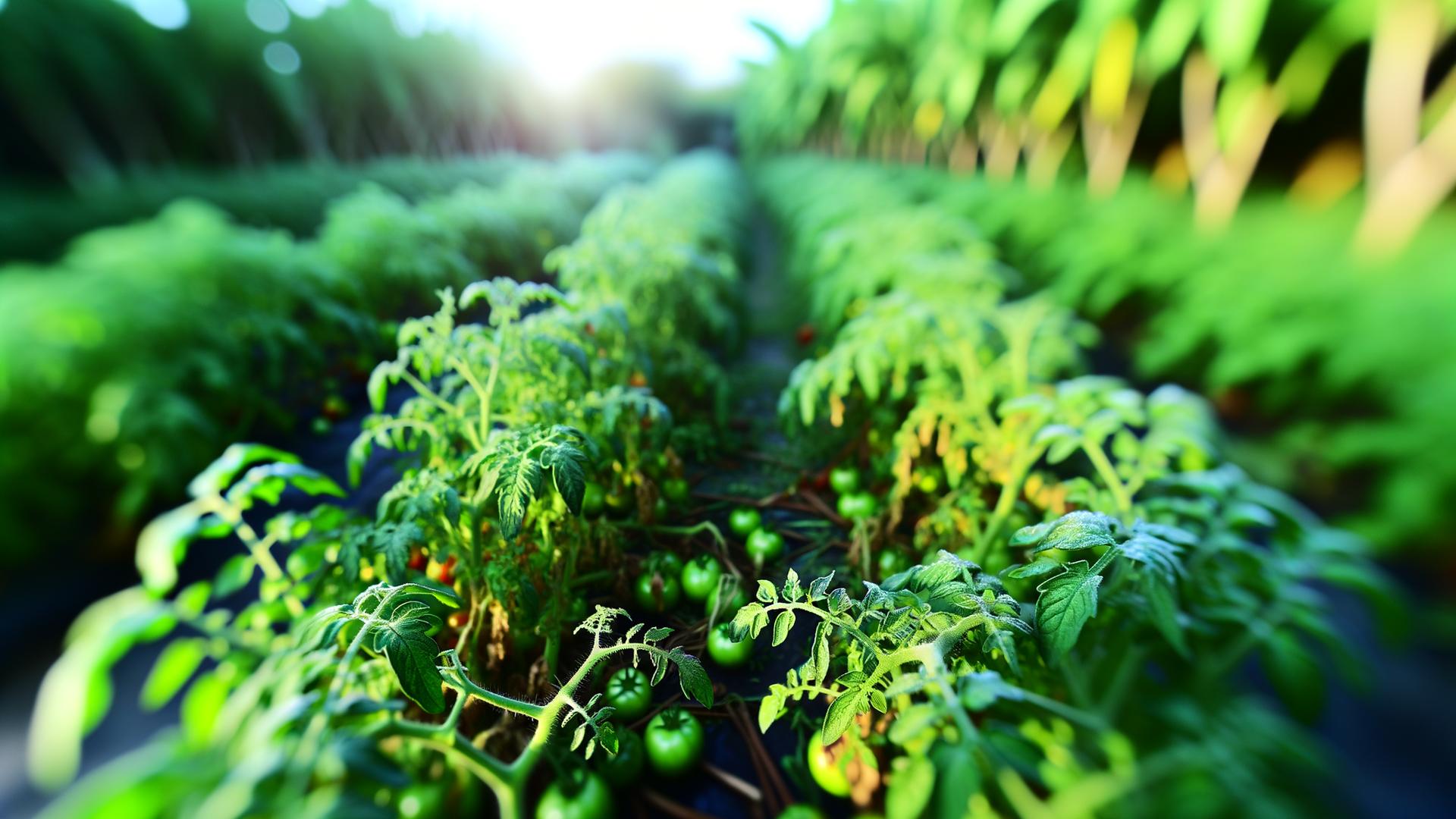


Whether you're a seasoned gardener or a budding enthusiast, the excitement of harvesting a bountiful crop of cucumbers is unmatched. But what if there was a simple, proven method to double your cucumber yield with minimal extra effort? This isn't a gardening myth; it's a reality many gardeners have discovered. The secret lies in a single treatment that optimizes your cucumber plants for prolific production.
Understanding Cucumbers: The Basics
Before delving into the treatment, it's crucial to understand the growing needs of cucumbers. Cucumbers (Cucumis sativus) are warm-season vegetables that thrive in conditions where they can bask in full sun and benefit from well-draining, fertile soil. They need plenty of water, regular feeding, and adequate space to sprawl or climb.
Varieties Matter
Choosing the right cucumber variety can significantly impact your yield. If your goal is to maximize production, opt for parthenocarpic varieties such as 'Sweet Success' or 'Diva', which don't require pollination to set fruit. These are ideal for greenhouse or high tunnel production where pollinators might be scarce. For outdoor gardens, classic varieties like 'Marketmore 76' or 'National Pickling' are reliable choices.
The Single Treatment: Foliar Feeding Magic
What is Foliar Feeding?
Foliar feeding involves applying liquid fertilizer directly onto the leaves of the plant. This method allows nutrients to be absorbed quickly and efficiently, offering a direct nutrient boost that soil application sometimes can't match. When applied correctly, it can invigorate plant health, enhance growth, and as research suggests, potentially double your cucumber harvest.
Why Foliar Feed Cucumbers?
Cucumbers are heavy feeders. They require a steady supply of nutrients throughout their growing season to maintain vigorous growth and continuous fruit production. Foliar feeding addresses nutrient deficiencies promptly, particularly when the soil environment isn't ideal due to pH imbalances or poor nutrient mobility.
How to Foliar Feed
-
Choose the Right Fertilizer: Use a balanced, water-soluble fertilizer. A common choice is a 20-20-20 NPK (Nitrogen, Phosphorous, Potassium) formula, which supports overall plant health. For cucumbers, also include micronutrients like magnesium and manganese, which are crucial for fruit development.
-
Mixing: Follow the manufacturer's instructions to mix the fertilizer with water. Ensure the solution isn't too concentrated, as this can cause leaf burn.
-
Application Timing: Spray the solution on the leaves in the early morning or late afternoon to prevent leaf burn from the sun. The cooler temperatures and reduced evaporation rates during these times allow for better absorption.
-
Frequency: Apply every 10-14 days during the active growing season. Ensure regularity to keep the nutrient levels consistent.
Maximizing the Effects of Foliar Feeding
Combine with Soil Improvements
While foliar feeding provides a quick nutrient boost, combining it with soil enhancements ensures sustained growth. Regularly amend your soil with organic matter like compost or well-rotted manure to improve its structure and nutrient-holding capacity.
Monitor Plant Health
Consistent monitoring can prevent small issues from becoming large problems. Check for signs of nutrient deficiency, such as yellowing leaves (indicating nitrogen deficiency) or distorted young leaves (signs of calcium deficiency). Adjust your foliar feeding regimen as needed to address these issues promptly.
Water Wisely
Cucumbers need consistent moisture. Irregular watering can lead to stress and poor fruit development. Mulching around plants helps retain soil moisture, reducing the frequency of watering. Remember, stressed plants, even with foliar feeding, will not produce optimally.
Addressing Common Challenges
Pest Management
Cucumbers are prone to pests like cucumber beetles and aphids, which can severely affect yields. Employ integrated pest management (IPM) strategies, such as introducing beneficial insects like ladybugs, using row covers, or applying organic insecticidal soaps.
Disease Control
Powdery mildew and downy mildew are common cucumber diseases. To prevent these, ensure good air circulation by spacing plants adequately and keeping foliage dry. Should these diseases appear, act quickly with organic fungicides or milk sprays.
Pollination
For non-parthenocarpic varieties, ensure adequate pollination. Planting flowers that attract bees nearby can help. If pollination seems inadequate, consider hand-pollinating with a small brush.
Harvesting for Maximum Yield
Proper harvesting techniques can further enhance your yield. Regularly pick cucumbers once they reach the desired size, typically when they're about 6-8 inches long for slicing types and 3-5 inches for pickling types. Frequent harvesting encourages plants to produce more fruit.
Avoid Overripe Cucumbers
Allowing cucumbers to overripe on the vine signals to the plant to slow down production. Regular picking keeps the plant focused on producing new fruit.
Sustainable Practices for Long-Term Success
While foliar feeding is a powerful tool, integrating sustainable practices ensures long-term success and soil health.
Crop Rotation
Avoid planting cucumbers in the same location year after year. Rotate with legumes or other non-cucurbit crops to reduce disease pressure and improve soil health.
Companion Planting
Incorporate companion plants that can benefit cucumber growth. For instance, planting radishes nearby can deter cucumber beetles, while beans can naturally fix nitrogen, enriching the soil.
FAQs
1. Can foliar feeding replace soil fertilization entirely?
No, foliar feeding should complement soil fertilization, not replace it. It addresses immediate nutrient needs but doesn’t improve soil health.
2. How can I tell if my cucumbers need more nutrients?
Look for signs such as yellowing leaves, stunted growth, or poor fruit development, which can indicate nutrient deficiencies.
3. Are there organic foliar feeding options?
Yes, seaweed extract and fish emulsion are popular organic options for foliar feeding.
4. How do I avoid burning the leaves with foliar sprays?
Use diluted solutions and apply in cooler parts of the day, like early morning or late afternoon.
5. What if my cucumbers have yellowing leaves despite foliar feeding?
This could indicate root issues or soil pH problems. Investigate further to address root health or adjust soil pH.
6. Can I foliar feed other plants in my garden?
Absolutely, foliar feeding can benefit many plants, but always tailor the nutrient balance to the specific plant's needs.
7. How do I encourage pollinators in my cucumber garden?
Plant a variety of flowers nearby, and avoid pesticides that harm beneficial insects.
8. What are signs of over-fertilization in cucumbers?
Leaf burn, excessive leaf growth with little fruit, and salt build-up on soil surfaces can indicate over-fertilization.
9. How long does it take to see results from foliar feeding?
Most gardeners notice improvements within a week of application, though this can vary based on initial plant health.
10. Is it necessary to wash cucumbers after foliar feeding?
Yes, washing cucumbers is recommended to remove any residue before consumption.
Discussion (0)
No comments yet. Be the first to start the conversation!
Leave a Reply