
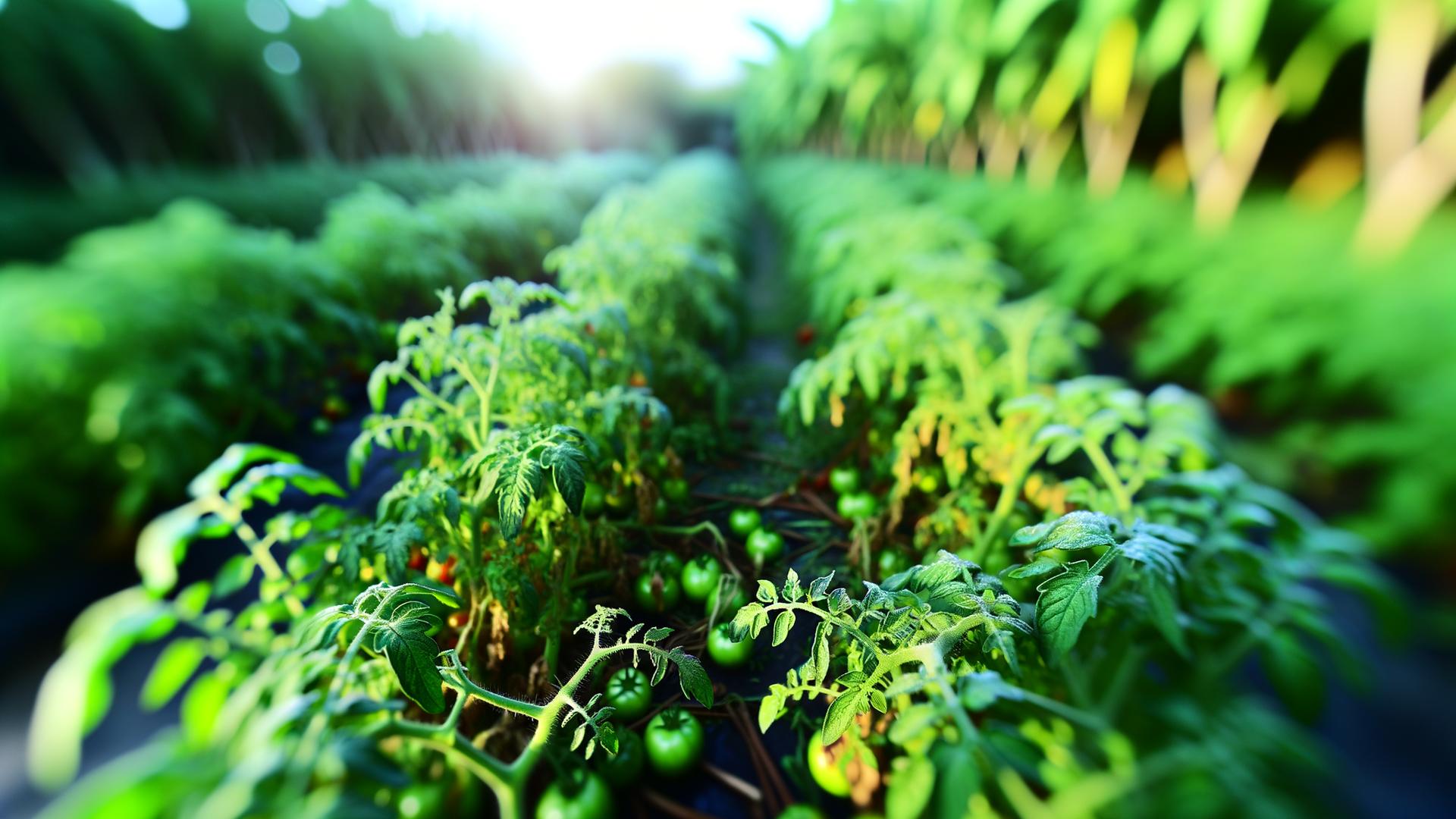

Tomatoes are a beloved staple in gardens across the globe, cherished for their juicy fruits and versatile culinary uses. Yet, many gardeners find themselves puzzled when their tomato plants are healthy, full of flowers, but stubbornly refuse to set fruit. This common problem can be both frustrating and disheartening. Understanding the reasons behind this issue is crucial to ensuring a bountiful harvest.
Understanding Tomato Pollination
Pollination is the key to fruit production in tomatoes. Unlike some other plants, tomatoes are self-pollinating, meaning they contain both male and female reproductive parts within the same flower. In theory, this should make it easier for them to set fruit. However, several factors can disrupt this natural process.
Environmental Factors
Temperature Extremes
Tomatoes thrive between 70°F and 85°F during the day and 55°F and 70°F at night. When temperatures soar above 90°F or drop below 55°F, pollen viability decreases significantly, and flowers may fail to pollinate. High temperatures can cause the pollen to become sticky and ineffective, while low temperatures can hinder the opening of the flower.
Humidity Levels
Humidity plays a critical role in the pollination process. Ideally, humidity should be between 40-70%. High humidity can cause pollen to become too sticky, while low humidity can lead to it becoming too dry and not transferring properly.
Wind and Air Movement
While tomatoes are self-pollinating, a little help from nature in the form of wind or manual agitation can enhance the pollination process. In the absence of wind, gently shaking the plant or using a small fan can mimic natural conditions and help ensure successful pollination.
Nutrient Imbalances
Nitrogen Overload
An excess of nitrogen in the soil can lead to lush, green foliage but few fruits. Nitrogen promotes vegetative growth at the expense of flowers and fruits. Balance is key, and using a fertilizer with a lower nitrogen content and higher phosphorus and potassium can encourage fruiting.
Calcium Deficiency
Blossom end rot is a common issue linked to calcium deficiency, leading to incomplete fruit development. Ensuring your soil has adequate calcium and maintaining consistent watering can prevent this problem.
Watering Practices
Inconsistent watering is a frequent culprit behind poor fruiting. Tomatoes need consistent moisture to thrive. Fluctuations in soil moisture can lead to stress and flower drop. Aim to keep the soil evenly moist, neither too dry nor waterlogged. Mulching can help maintain moisture levels.
Pest and Disease Management
Common Pests
Some pests, like the tomato fruitworm and stink bugs, can damage flowers, preventing fruit set. Regularly inspect your plants and use organic or chemical control methods as necessary to keep pest populations in check.
Diseases
Diseases such as blight or leaf spot can stress the plant and lead to poor flowering and fruiting. Practicing good sanitation, crop rotation, and using disease-resistant varieties can minimize these threats.
Choosing the Right Varieties
Not all tomato varieties are created equal. Some are more suited to certain climates and conditions than others. When selecting varieties, consider your local climate and opt for those known to perform well in similar environments. Heirloom varieties, while popular for their flavor, may be more susceptible to environmental stressors compared to hybrid varieties bred for resilience.
Adjusting Growing Conditions
Pruning and Training
Properly pruned and supported tomatoes are more likely to produce fruit. Pruning helps improve air circulation, light penetration, and directs energy towards fruit production. Removing excess foliage and suckers can enhance fruit set.
Using Growth Hormones
In some cases, applying a blossom set spray, which contains growth hormones, can encourage fruiting. This is especially useful under less-than-ideal environmental conditions.
FAQs
-
Why do my tomato plants have flowers but no fruit?
- This can be due to environmental factors such as temperature extremes, high humidity, or nutrient imbalances.
-
How can I encourage my tomatoes to set fruit?
- Ensure optimal temperatures, consistent watering, balanced nutrients, and consider a blossom set spray.
-
What role does humidity play in tomato fruiting?
- Humidity affects pollen viability. Ideally, it should be between 40-70% for effective pollination.
-
Should I shake my tomato plants?
- Yes, gently shaking can help mimic natural wind, aiding in pollination.
-
Can too much nitrogen affect fruiting?
- Yes, excessive nitrogen promotes foliage growth at the expense of flowers and fruits.
-
What pests should I look out for?
- Common pests include the tomato fruitworm and stink bugs, which can damage flowers.
-
How can I prevent blossom end rot?
- Ensure adequate calcium in the soil and maintain consistent watering.
-
What are the best tomato varieties for fruiting?
- Choose varieties suited to your climate and conditions, and consider disease-resistant hybrids.
-
Is pruning important for tomato fruiting?
- Yes, pruning improves air circulation and light penetration, enhancing fruit production.
-
What should I do if my tomatoes still won't fruit?
- Re-evaluate your growing conditions, consider a change in fertilizer, or consult with local gardening experts.
Discussion (0)
No comments yet. Be the first to start the conversation!
Leave a Reply