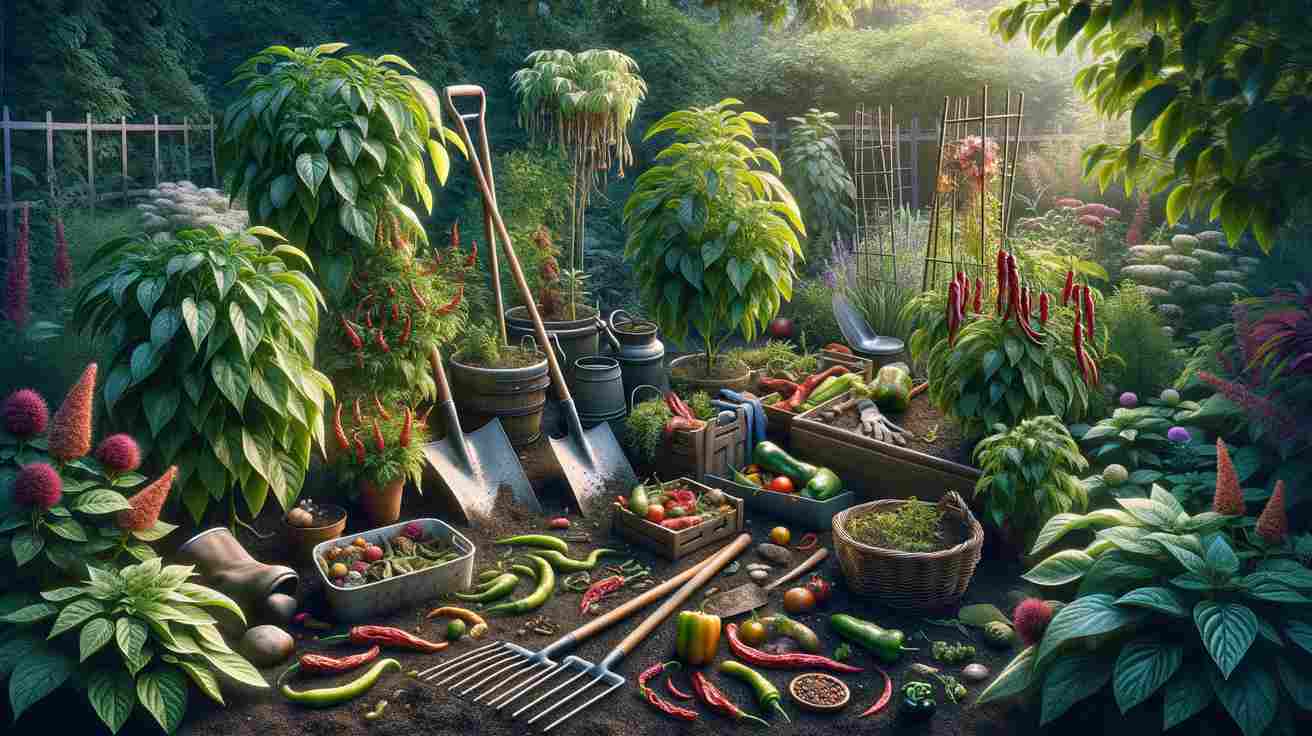
Growing hot peppers is a thrilling endeavor for gardeners who crave spice and flavor in their dishes. However, it can be quite perplexing when your fiery peppers turn out to be mere shadows of their expected heat. If you've found yourself biting into what you thought would be a scorching pepper only to be met with disappointment, you're not alone. Surprisingly, the lack of heat has nothing to do with the variety of the pepper you're growing. Let's explore the myriad of factors that might be affecting the capsaicin levels in your peppers and how to ensure your garden produces the fiery harvest you desire.
Understanding Capsaicin: The Heat Factor
At the heart of a pepper's heat is capsaicin, the chemical compound responsible for the spicy sensation. Capsaicin is produced by the pepper plant as a defense mechanism against pests and herbivores. The concentration of this compound can vary widely, not only between different pepper varieties but also within the same variety, depending on several environmental factors.
The Role of Capsaicin
Capsaicin binds to receptors in your mouth that are responsible for sensing heat, sending signals to your brain that result in the sensation of spice. The Scoville scale measures the amount of capsaicin present, determining how hot a pepper is. Understanding the factors that influence capsaicin production can help you cultivate hotter peppers.
Environmental Factors Affecting Pepper Heat
While genetics set the baseline for a pepper's potential heat, environmental conditions can significantly influence how much capsaicin a pepper plant produces. Here are some key factors to consider:
Temperature and Sunlight
Temperature plays a crucial role in the development of capsaicin. Peppers thrive in warm conditions, and higher temperatures can lead to increased heat in the fruit. Ideally, peppers should receive full sun, with temperatures consistently between 70°F and 85°F during the day. Cooler temperatures can result in milder peppers, as the plant focuses more on energy for survival rather than capsaicin production.
Watering Practices
Water stress is another factor that can affect pepper heat. While peppers need adequate water to grow, too much water can dilute capsaicin levels, leading to milder peppers. On the other hand, allowing the soil to dry out slightly between waterings can stress the plant just enough to boost capsaicin production. The key is to find a balance that keeps the plant healthy while encouraging optimal heat levels.
Soil Quality and Nutrients
The quality of your soil can also impact the heat of your peppers. Nutrient-rich soils tend to support robust growth, which can dilute capsaicin levels. Conversely, slightly poorer soils can stress the plant, potentially increasing capsaicin production. Ensure your soil has good drainage and is not over-fertilized, especially with nitrogen, which encourages leafy growth but may reduce fruit heat.
Plant Stress and Competition
A certain level of stress can actually benefit pepper heat. When pepper plants face stressors such as competition from nearby plants, they often respond by producing more capsaicin. While you should avoid extreme stress that could damage the plant, introducing some competition or allowing for mild stress can be beneficial.
Practical Tips for Growing Hotter Peppers
Now that we understand the factors influencing pepper heat, let's delve into some practical strategies to ensure your peppers pack the punch you desire.
Optimal Planting Location
Choose a location that receives full sun for most of the day. If your garden area is shaded, consider using reflective materials or strategically placed mirrors to increase sunlight exposure.
Adjusting Watering Techniques
Implement a deep watering strategy, allowing the soil to dry out slightly between sessions. This encourages the plant to establish a strong root system while potentially boosting capsaicin levels.
Soil Management
Test your soil to ensure it is well-draining and not overly fertile. Amend with organic matter like compost, but avoid excessive use of nitrogen-rich fertilizers. Consider using a mulch to retain moisture while preventing nutrient runoff.
Controlled Stress
Introduce mild stress to your plants by allowing them to compete with companion plants or by occasionally withholding water (without causing wilting). This can encourage the plant to produce more capsaicin as a defense mechanism.
Harvest Timing
Harvest timing can also influence pepper heat. Peppers left on the plant longer often develop higher capsaicin levels. Wait until peppers are fully mature and display their characteristic color before picking.
Common Misconceptions About Pepper Heat
Peppers Must Be Hot to Be Flavorful
While heat is a desired trait for many, it’s important to recognize the diverse flavors peppers can offer. If your peppers are milder, they might still contribute valuable flavor nuances to your dishes.
All Peppers in the Same Plant Will Have the Same Heat
Capsaicin concentration can vary even among peppers on the same plant. Environmental conditions affecting each pepper individually can lead to differences in heat levels.
Cross-Pollination Affects Current Season's Pepper Heat
Cross-pollination impacts the seeds of the pepper fruit, affecting future generations, not the heat of the current fruit. Therefore, planting different pepper varieties together won't dilute their heat this year.
FAQs
1. Why are my peppers not hot even though they are a hot variety?
Environmental factors such as temperature, watering practices, and soil quality heavily influence capsaicin production, affecting the heat level.
2. How can I increase the heat of my peppers during growth?
Ensure they receive full sun, manage watering to allow for mild stress, and cultivate in well-draining, slightly less fertile soil.
3. Does the color of the pepper affect its heat?
Color can indicate ripeness, and peppers often develop more heat as they mature to their final color. Harvesting at full maturity can result in hotter peppers.
4. Can I modify the heat of my peppers after they've been harvested?
Once harvested, the heat level is set. However, cooking methods such as roasting can enhance the perception of spiciness.
5. Will fertilizing my peppers more increase their heat?
Excessive fertilization, especially with nitrogen, can dilute capsaicin levels, resulting in milder peppers.
6. Should I plant hot peppers in shade to protect them from stress?
Peppers require full sun for optimal growth and heat development. Shade can reduce heat levels due to lower temperatures and reduced sunlight.
7. Does water quality affect pepper heat?
Poor water quality can stress the plant, potentially impacting overall health and capsaicin production. Use clean, non-chlorinated water when possible.
8. Can planting sweet peppers near hot peppers make them less hot?
Cross-pollination affects the seeds, not the current season's fruit. Plant proximity won't affect immediate heat levels.
9. How does soil pH affect pepper heat?
Peppers prefer slightly acidic to neutral pH levels (6.0-7.0). Extreme pH can stress plants, potentially affecting capsaicin levels.
10. Are there any natural ways to boost pepper heat?
Mildly stressing the plant with controlled watering and allowing for competition are natural methods to increase heat during growth.
Discussion (0)
No comments yet. Be the first to start the conversation!
Leave a Reply