
In the world of gardening, we often wage war against weeds, perceiving them as unwelcome intruders that compete with our cherished plants for sunlight, water, and nutrients. Yet, amongst these supposed pests, one stands out as a silent benefactor: clover. Commonly dismissed as a nuisance, clover is, in reality, a gardener's ally, offering numerous advantages that can transform your garden into a lush, thriving paradise. Let’s delve into why clover should remain a cherished component of your garden ecosystem.
Why Clover is Not Just a Weed
Natural Nitrogen Fixer
Clover belongs to the legume family, which is renowned for its ability to fix nitrogen into the soil. This process occurs through a symbiotic relationship with rhizobia bacteria, which reside in nodules on clover roots. These bacteria convert atmospheric nitrogen into a form usable by plants, naturally enriching the soil. As a result, clover acts as a green manure, reducing the need for chemical fertilizers and promoting sustainable gardening practices.
Soil Improvement
The dense root system of clover helps to aerate and stabilize the soil, preventing erosion and promoting the infiltration of water. This is particularly beneficial in compacted or heavy clay soils, where drainage can be problematic. The presence of clover improves soil structure over time, leading to healthier plant growth.
Weed Suppressant
Ironically, clover is a formidable ally in the battle against weeds. Its rapid growth and dense foliage create a living mulch that smothers competing weeds, reducing the need for herbicides. By allowing clover to flourish, you can maintain a low-maintenance garden with fewer weeds and less manual labor.
Ecological Benefits of Clover
Biodiversity Boost
Clover attracts a variety of beneficial insects, including bees, butterflies, and predatory beetles, enhancing the biodiversity of your garden. Its flowers provide a valuable nectar source for pollinators, which are crucial for the pollination of many fruit and vegetable crops. By fostering a clover-friendly environment, you’re supporting local ecosystems and contributing to a more balanced garden habitat.
Wildlife Friendly
Beyond insects, clover also appeals to larger wildlife. Its leaves and flowers are a food source for small mammals, which can help create a vibrant, living landscape. By supporting these creatures, clover plays a role in maintaining the delicate balance of your garden’s ecosystem.
Practical Applications
Companion Planting
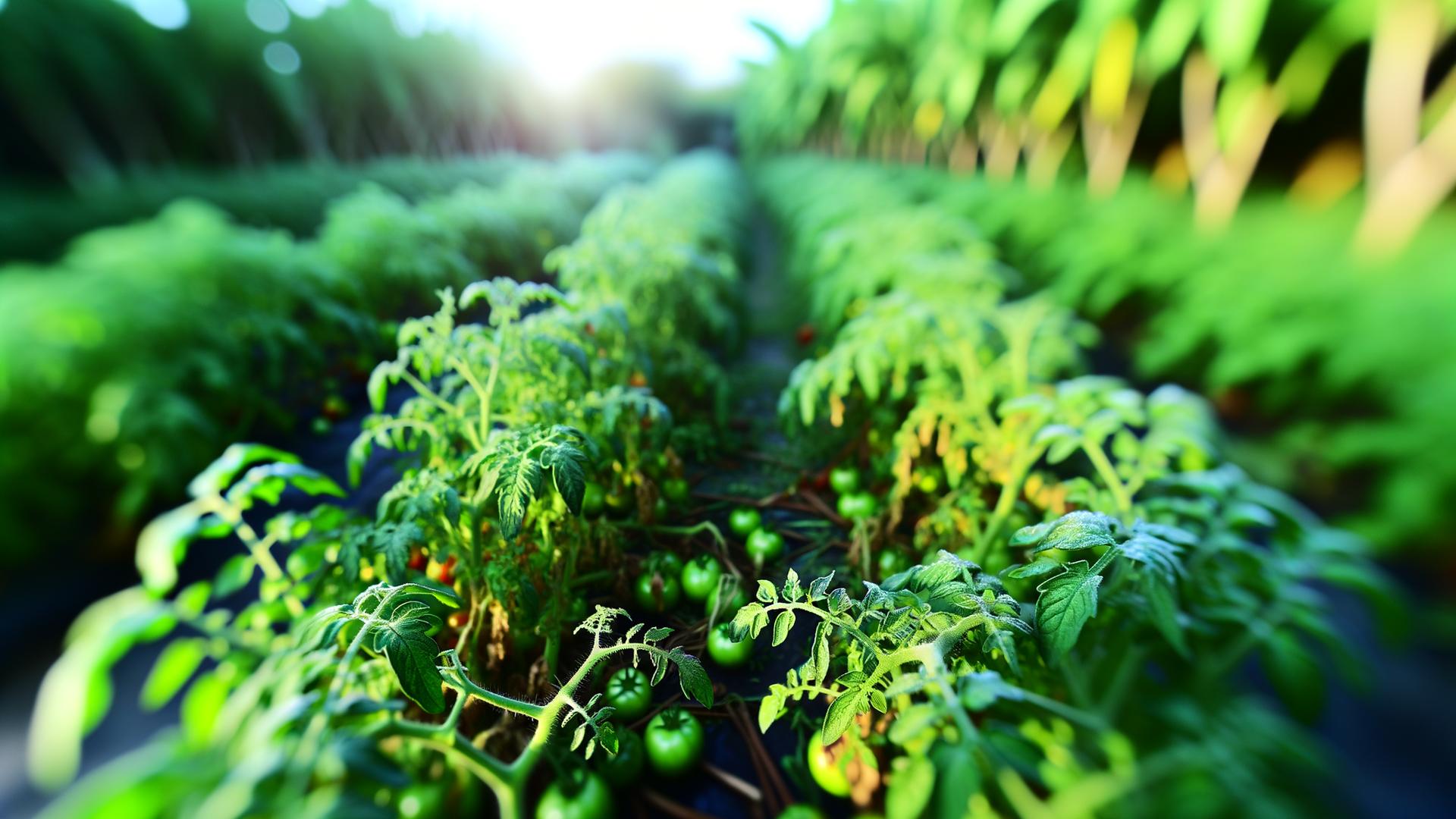
Clover can be effectively used in companion planting to enhance the growth of nearby plants. It pairs well with almost any crop, particularly nitrogen-hungry vegetables like corn and tomatoes. By planting clover as a ground cover, you ensure that your primary plants receive a steady supply of nutrients without the need for synthetic fertilizers.
Lawns and Ground Covers
Replacing traditional grass with a clover lawn can save time, money, and effort. Clover requires less mowing and watering than conventional turfgrass. It stays green even during drought conditions and is relatively pest-resistant. Moreover, clover’s soft texture and pleasant appearance make it a practical and aesthetically pleasing choice for lawns and ground covers.
Challenges and Considerations
Control and Management
While clover is beneficial, it’s important to manage its growth to prevent it from overtaking areas where it’s not wanted. Regular mowing or trimming can help keep clover in check, and selectively removing clover from specific garden beds can ensure that it coexists harmoniously with other plants.
Species Selection
There are several species of clover, with white clover (Trifolium repens) being the most common choice for gardens. It’s low-growing, hardy, and adaptable to various soil conditions. Red clover (Trifolium pratense) is another option, often used in agricultural settings for its robust growth and nitrogen-fixing capabilities. Selecting the right species for your garden’s needs is crucial for maximizing clover’s benefits.
Aesthetic Preferences
Some gardeners may be concerned about the aesthetic impact of clover. While clover flowers can be quite charming, they differ from a manicured grass lawn. For those who prefer a more traditional look, integrating clover in less visible areas of the garden or mixed with grass can provide the benefits without altering the garden’s overall appearance.
How to Introduce Clover into Your Garden
Seeding Techniques
To introduce clover into your garden, start by preparing the soil. Remove any existing weeds and rake the soil to a fine texture. Sow clover seeds evenly across the desired area and gently rake them into the soil. Water the area lightly but consistently until the seeds germinate, which typically takes 7-10 days.
Maintenance Tips
Once established, clover requires minimal care. Watering during dry spells ensures it remains lush, but clover is remarkably drought-tolerant. Fertilization is generally unnecessary due to its nitrogen-fixing ability. Regular mowing will encourage dense growth and prevent flowering if desired.
Integrating with Existing Plants
When introducing clover to an established garden, scatter seeds in open areas between plants. Its low-growing habit means it will not compete aggressively with taller plants. Over time, clover will fill in gaps, providing a natural mulch and enhancing the soil beneath your existing plants.
FAQs
-
What are the primary benefits of growing clover in a garden?
- Clover improves soil fertility by fixing nitrogen, acts as a living mulch to suppress weeds, and supports biodiversity by attracting beneficial insects.
-
Is clover suitable for all garden types?
- Clover is versatile and can be grown in most garden settings, though it thrives best in sunny areas with well-drained soil.
-
How do I control clover if it starts to overtake certain areas?
- Regular mowing or trimming can help manage clover growth, and it can be selectively removed from specific areas as needed.
-
Can I mix clover with grass in my lawn?
- Yes, clover can be mixed with grass to create a resilient, low-maintenance lawn that requires less watering and fertilization.
-
Does clover require fertilization?
- Clover typically does not need additional fertilization due to its nitrogen-fixing ability, which naturally enriches the soil.
-
How often should clover be watered?
- Clover is drought-tolerant but benefits from regular watering during prolonged dry spells to maintain lush growth.
-
What species of clover are best for garden use?
- White clover and red clover are popular choices, with white clover being particularly suitable for gardens due to its low-growing nature.
-
Can clover support pollinators?
- Yes, clover flowers are an excellent nectar source for bees and butterflies, supporting pollinator populations.
-
Is clover resistant to pests?
- Clover is relatively pest-resistant, making it a durable and hardy choice for ground cover.
-
How do I plant clover seeds in an existing garden?
- Scatter seeds in open areas between existing plants, and lightly rake them into the soil. Keep the area moist until germination.
Discussion (0)
No comments yet. Be the first to start the conversation!
Leave a Reply