
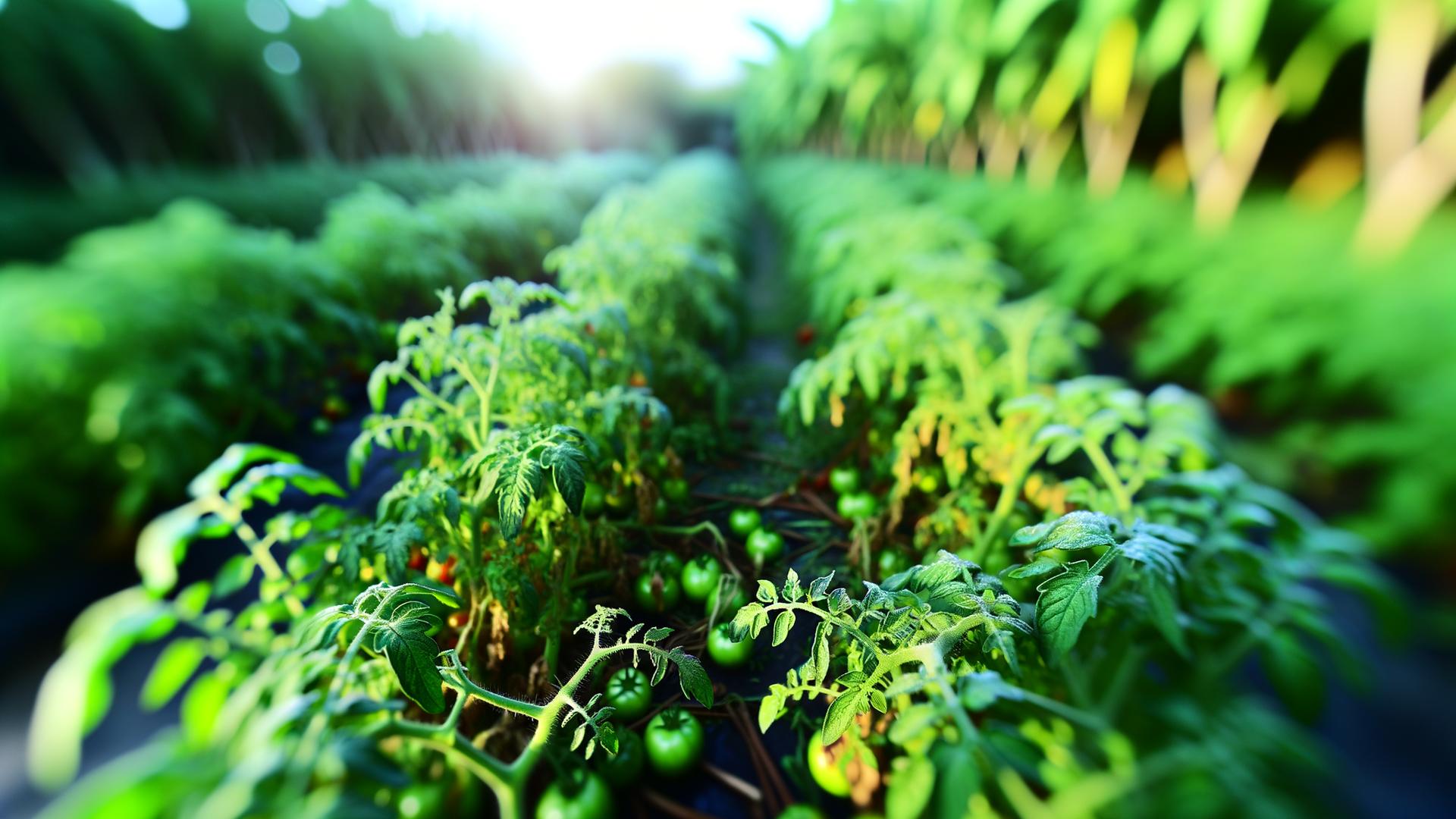


A flourishing tomato plant is a source of pride for any gardener, promising juicy summer bounty. But the sight of white powder speckling your tomato leaves can trigger alarm. This isn't a benign dusting; it's powdery mildew, a fungal adversary that can swiftly compromise your plants if not addressed urgently. Let’s explore how you can halt its spread and restore your tomato plants to health.
Understanding Powdery Mildew
Powdery mildew is a common fungal disease affecting a wide variety of plants. Recognizable by its white or gray powdery spots on leaves, stems, and sometimes fruit, it thrives in warm, dry climates but can also appear in humid environments. Unlike other fungal diseases, powdery mildew does not require free water to germinate, which means it can spread rapidly under the right conditions.
Symptoms and Identification
The first signs of powdery mildew on your tomato plants are small, white, powdery spots. As the infection progresses, these spots can expand and cover entire leaves, causing them to turn yellow and eventually brown. Leaves may become distorted or drop prematurely, which affects the plant's ability to photosynthesize effectively, leading to stunted growth and reduced yield.
How It Spreads
Powdery mildew spores are light and easily carried by the wind, allowing them to spread quickly from one plant to another. They can also be transmitted via tools, clothing, or insects. The disease thrives in conditions where humidity is high but the foliage remains dry, such as in crowded plantings with poor air circulation.
Prevention Strategies
The best way to combat powdery mildew is through prevention. Here are some strategies to reduce the risk of infection:
Select Resistant Varieties
Choosing tomato varieties that are naturally resistant to powdery mildew is an effective first line of defense. Look for descriptions or labels that specifically mention resistance to this disease.
Ensure Proper Spacing
Proper plant spacing is crucial for air circulation, which helps keep foliage dry. Avoid overcrowding your plants, and prune lower leaves to improve airflow and sunlight penetration.
Optimize Watering Practices
Water your tomato plants at the base to keep the foliage dry. Early morning watering is ideal as it allows moisture on leaves to evaporate quickly. Avoid overhead watering whenever possible.
Maintain Garden Hygiene
Regularly remove plant debris and weeds from your garden as they can harbor the fungus. Clean gardening tools frequently to prevent the spread of spores.
Immediate Control Measures
If powdery mildew has already taken hold, swift action is necessary to prevent it from spreading further.
Prune Infected Leaves
Begin by removing and disposing of heavily infected leaves. Use clean, sterilized pruners and avoid composting the removed foliage, as the spores can survive and re-infect your plants.
Apply Fungicides
Fungicides can be effective in controlling powdery mildew if applied promptly. Organic options like neem oil, potassium bicarbonate, or sulfur sprays can be used as soon as symptoms are detected. Always follow the manufacturer’s instructions regarding application rates and frequency.
Homemade Remedies
For those who prefer DIY solutions, a mixture of 1 tablespoon of baking soda, 1 tablespoon of vegetable oil, and 1 teaspoon of dish soap in a gallon of water can be sprayed onto affected plants. This solution alters the pH on the leaf surface, making it inhospitable for the fungus.
Long-Term Solutions
To prevent future outbreaks, consider these long-term strategies that enhance plant resilience and garden health.
Soil Health
Healthy soil leads to robust plants that can better resist diseases. Regularly amend your soil with compost to improve its structure and nutrient content.
Companion Planting
Incorporate companion plants like garlic or chives, which are known to deter fungal diseases. Their natural compounds can provide a protective barrier for your tomatoes.
Rotate Crops
Practice crop rotation by not planting tomatoes or related crops (like peppers or eggplants) in the same soil consecutively. This disrupts the life cycle of soil-borne pathogens.
Monitoring and Maintenance
Regular monitoring of your garden is critical. Keep an eye on your plants and act quickly at the first sign of powdery mildew. Consistent maintenance, such as removing dead leaves and ensuring proper plant nutrition, will keep your garden thriving.
FAQs
1. What causes powdery mildew on tomato plants?
Powdery mildew is caused by a group of fungi that thrive in warm, dry conditions but require high humidity to spread. Poor air circulation and dry leaves create an ideal environment for the spores to proliferate.
2. Can powdery mildew affect the tomato fruit itself?
While powdery mildew primarily affects the leaves and stems, severe infections can impact fruit development, leading to reduced yields. However, the fruit itself is rarely directly infected.
3. Is powdery mildew harmful to humans?
No, powdery mildew is not harmful to humans. However, consuming heavily affected leaves or using them in compost could spread the spores further in your garden.
4. Can I use milk to treat powdery mildew?
Yes, milk can be used as a natural fungicide. A dilution of one part milk to two parts water can be sprayed on affected plants. The proteins in milk create an inhospitable environment for the fungus.
5. How often should I apply fungicides to control powdery mildew?
The frequency of application depends on the product used. Generally, organic fungicides should be applied once a week or after rain, while chemical fungicides may require less frequent applications.
6. Are there any non-chemical ways to prevent powdery mildew?
Yes, improving air circulation, ensuring proper plant spacing, and selecting resistant varieties are all effective non-chemical strategies to prevent powdery mildew.
7. Can powdery mildew spread to other plants?
Yes, powdery mildew can spread to a wide variety of plants, especially those in the same family as tomatoes, including peppers and eggplants.
8. What is the best time of day to treat powdery mildew?
The best time to treat powdery mildew is early in the morning or late in the afternoon when temperatures are cooler, reducing the risk of leaf burn from sprays.
9. Why is it important to act quickly against powdery mildew?
Acting quickly is vital because powdery mildew can spread rapidly, causing significant damage that affects plant health and reduces yields.
10. Can I save my tomato plants if they are heavily infected with powdery mildew?
While heavily infected plants can be challenging to save, consistent pruning and treatment can help manage the disease and allow plants to recover enough to produce fruit.
Discussion (0)
No comments yet. Be the first to start the conversation!
Leave a Reply