
Imagine this: your pepper plants are looking lush, their leaves are a vibrant green, and yet, they seem to be holding back on producing those juicy, fiery fruits you’ve been eagerly anticipating. It’s a common predicament for many gardeners. While you might be quick to think of sunlight, water, or even pests, the issue could very well be a nutritional deficiency. Surprisingly, the solution might be as close as your kitchen pantry.
Understanding the Nutritional Needs of Pepper Plants
Pepper plants, whether bell or hot varieties, are heavy feeders. They require a balanced supply of nutrients to thrive and bear fruit. While nitrogen, phosphorus, and potassium are the primary nutrients stressed in most fertilizers, there's one nutrient often overlooked, yet crucial for pepper plant health: calcium.
The Role of Calcium
Calcium plays a pivotal role in maintaining the structural integrity of plant cells. It’s the building block for strong cell walls, ensuring that your plants are not only vibrant but robust enough to fend off diseases and environmental stresses. For peppers, adequate calcium is essential in preventing blossom end rot, a common disorder where the fruit's bottom becomes dark and sunken.
Blossom end rot is not a disease but a physiological disorder caused by calcium deficiency. It's most prevalent in periods of rapid plant growth when calcium uptake cannot keep pace with the plant's demands.
Symptoms of Calcium Deficiency
- Blossom End Rot: The most telltale sign, characterized by dark, leathery patches at the bottom of the fruit.
- Leaf Curling: New leaves may appear distorted or curled due to weakened cell structure.
- Poor Fruit Development: Fruits may be small, misshapen, or drop prematurely.
How Calcium Deficiency Happens
Even if your soil has calcium, certain factors can hinder its availability to pepper plants:
- Soil pH: Calcium becomes less available in very acidic or alkaline soils.
- Watering Practices: Inconsistent watering can lead to erratic calcium uptake. Over-watering can leach calcium away, while under-watering can prevent its movement through the plant.
- Excessive Nitrogen: High nitrogen levels can promote rapid foliage growth at the expense of fruit development and calcium uptake.
Kitchen Remedies: Using Eggs for Calcium
Here's where your kitchen comes into play. Eggshells are a fantastic and natural source of calcium. They contain about 95% calcium carbonate, making them a potent amendment for calcium-deficient soil.
How to Use Eggshells
- Preparation: Collect and thoroughly rinse eggshells to remove any residue. Allow them to dry completely.
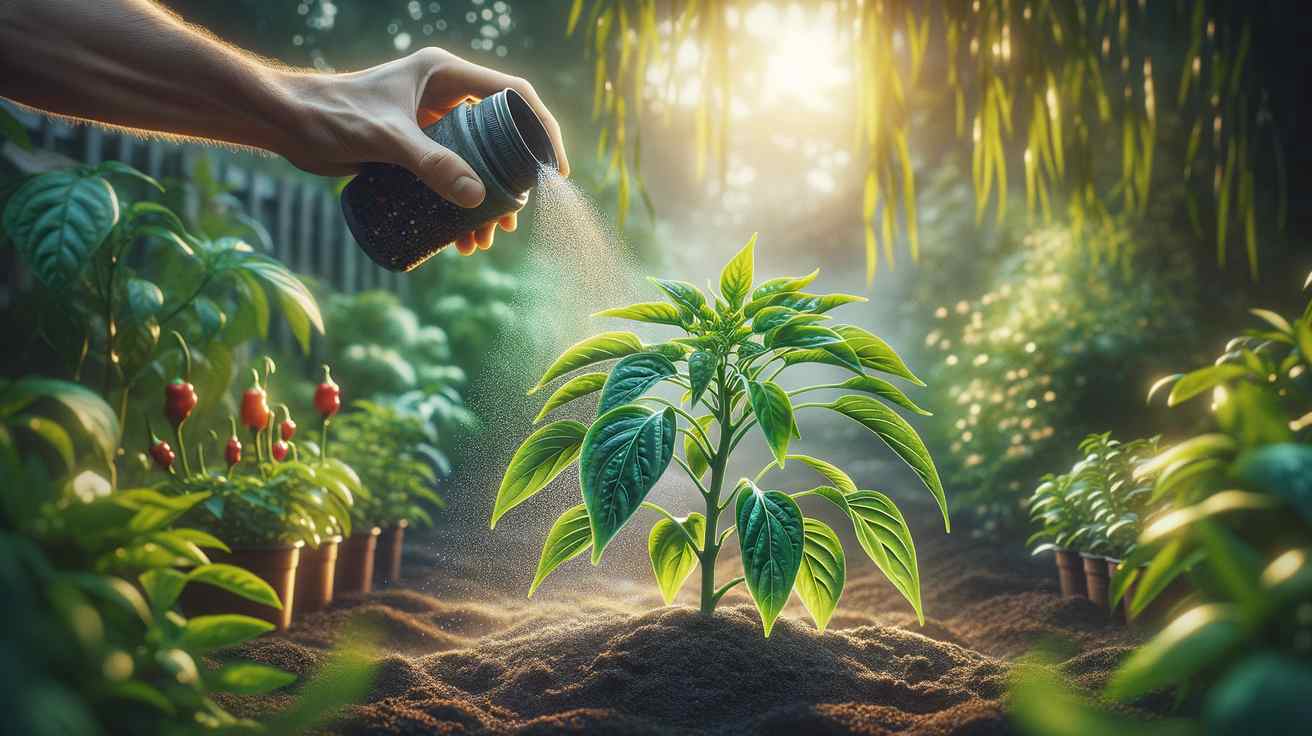
- Crushing: Once dry, crush them into small pieces or grind them into a fine powder using a coffee grinder or mortar and pestle.
- Application:
- Soil Amendment: Sprinkle the crushed shells directly into the soil around your pepper plants, gently working them into the top layer.
- Compost Addition: Add eggshells to your compost pile to enrich the compost with calcium, which can then be used to nourish your plants.
- Eggshell Tea: For a quick calcium boost, steep crushed eggshells in boiling water overnight. Strain the liquid and use it to water your plants.
Other Household Calcium Sources
- Milk: Diluted milk can be used as a foliar spray to provide an immediate calcium boost. Mix one part milk with two parts water.
- Bone Meal: Rich in phosphorus and calcium, bone meal can be worked into the soil at the start of the planting season.
Optimizing Calcium Uptake
Ensuring your pepper plants make the most of the calcium you provide involves more than just adding the nutrient. Here are additional steps to optimize calcium uptake:
Regular Watering
Consistent moisture levels are crucial. Watering deeply but less frequently encourages strong root systems and steady nutrient uptake. Mulching can help retain soil moisture, reducing fluctuations.
Soil Testing and Adjustments
Conduct a soil test to determine pH and nutrient levels. Aim for a pH between 6.0 and 6.8 for optimal calcium availability. Lime can be added to raise pH if necessary.
Balanced Fertilization
Avoid over-fertilizing with high nitrogen fertilizers. Instead, opt for a balanced fertilizer that includes calcium or use a specific calcium supplement if needed.
Companion Planting
Certain plants can aid in nutrient uptake. Consider planting marigolds or dill nearby, as they can enhance soil health and deter pests.
Common Misconceptions About Calcium
- Calcium Deficiency vs. Excessive Moisture: Many gardeners mistake the symptoms of calcium deficiency for those of overwatering. While they can appear similar, the underlying causes and remedies differ.
- Calcium Supplements Alone Aren’t Enough: Simply adding calcium won't solve all problems if other growth conditions are poor.
FAQs
-
Can I use eggshells for all my plants? Yes, eggshells can be beneficial for most garden plants, especially those prone to calcium deficiency like tomatoes and peppers.
-
How often should I add eggshells to my garden? It depends on the initial calcium levels in your soil. As a rule of thumb, a handful of crushed eggshells per plant at the start of the growing season is a good practice.
-
Do eggshells decompose quickly? No, eggshells decompose slowly, which is why crushing them into smaller pieces or powder is recommended to speed up their availability.
-
Can I use store-bought calcium supplements for my plants? Yes, but ensure they are specifically designed for plant use to avoid any harmful additives.
-
What's the best time to add calcium to my pepper plants? Early in the growing season and again when fruits begin to set is ideal.
-
Is milk a good long-term calcium solution? Milk can provide a quick fix, but it's best used in conjunction with other calcium sources for long-term soil health.
-
How do I know if my soil pH is affecting calcium uptake? A soil test will reveal the pH and help you adjust it to the appropriate range for calcium availability.
-
Are there any alternatives to eggshells for organic calcium? Yes, other options include bone meal, dolomite lime, and gypsum.
-
How does mulching help with calcium uptake? Mulching maintains consistent moisture levels, which supports steady nutrient absorption, including calcium.
-
Can I use eggshells in containers or just in-ground gardens? Eggshells can be used in both container and in-ground gardens.
Discussion (0)
No comments yet. Be the first to start the conversation!
Leave a Reply