Imagine stepping into a world where your backyard is not just a patch of green but a thriving oasis of creativity and functionality. This vision is precisely what the "Lemonading" garden trend is set to bring to life in 2026. Inspired by the concept of turning lemons into lemonade, this trend focuses on transforming garden spaces into versatile, productive, and joyous reflections of personal and communal resilience. As extreme weather patterns and urban living increasingly influence how we garden, "Lemonading" invites us to think beyond aesthetics, incorporating resourcefulness and sustainability into every plant choice and layout decision.
Defining "Lemonading"
The Concept Behind the Trend
The "Lemonading" trend in gardening is about adaptability and optimism, taking whatever natural resources and limitations your space offers and transforming them into opportunities. Whether you have a small urban balcony or a sprawling suburban lawn, the principle is the same: make the most of what you have by integrating resourceful gardening techniques that address your specific challenges and aspirations.
From Resilience to Transformation
At its core, "Lemonading" is about transforming adversity into advantage. In many ways, it mirrors the broader global shift towards sustainability and self-sufficiency. By focusing on native plants, water-smart landscaping, and community inclusiveness, the trend encourages gardeners to create spaces that are both eco-conscious and personally meaningful.
Practical Steps to "Lemonade" Your Backyard
Know Your Environment
Understanding your local climate and soil conditions is vital. Conduct a soil test to determine the composition and nutrient levels of your garden. Armed with this knowledge, you can select plants that will thrive naturally in your environment, reducing the need for chemical interventions.
Embrace Native Plants
For a garden that is self-sufficient and low-maintenance, incorporate native plants. These plants have evolved to survive in your specific climate and are more resistant to local pests and diseases. For example, if you live in a drought-prone area, consider species like the drought-tolerant California poppy or the robust purple coneflower.
Water Conservation Techniques
One of the central themes of "Lemonading" is efficient water use. Install a rain barrel to collect rainwater, which you can use to irrigate your garden during drier spells. Consider drip irrigation systems that deliver water directly to the roots, reducing waste and ensuring plants receive the exact amount of moisture they need.
Incorporate Edible Landscaping
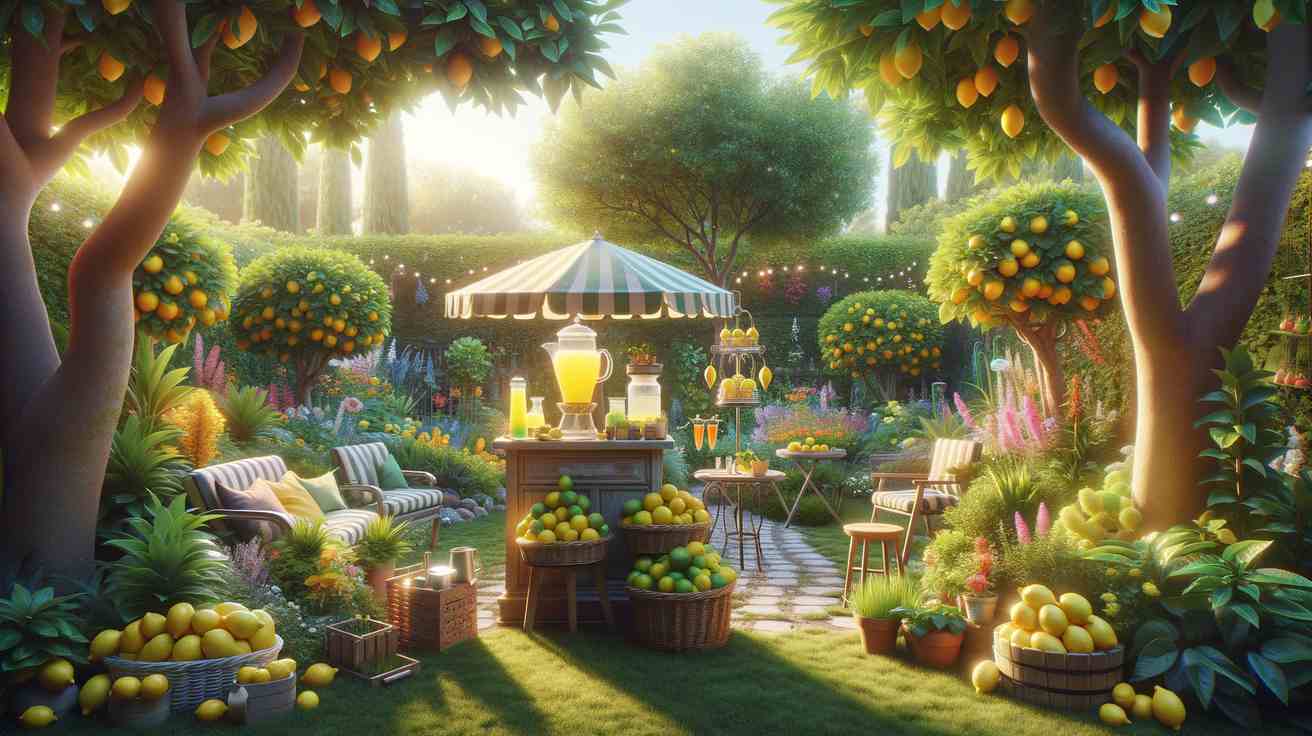
Integrating food-producing plants into your garden design is both practical and rewarding. Consider planting fruit trees like lemon or apple, alongside herb borders with rosemary, thyme, and sage. This not only supports food sovereignty but also enhances the sensory experience of your backyard with enticing scents and flavors.
Designing for Community
Shared Spaces and Resources
The beauty of "Lemonading" is its potential for community inclusion. Transform front yards into shared spaces with community gardens or install seed libraries where neighbors can exchange seeds and knowledge. This fosters a sense of community, encouraging collaboration and shared responsibility for local sustainability efforts.
Multi-Purpose Areas
Design gardens that serve multiple functions. A single area can be a children’s play zone, an entertainment spot, and a vegetable patch. Use flexible furniture, such as foldable chairs and tables that can be easily moved or stored, allowing the space to adapt swiftly from a garden party to a quiet meditation retreat.
The Aesthetic Dimension
Creating Visual Delight
While functionality is key, the aesthetic element of "Lemonading" is not to be overlooked. Use vertical gardens to add dimension and creativity, especially in smaller spaces. These can be as simple as trellises with climbing plants like clematis and passionflower, providing bursts of color and texture.
Harnessing Seasonal Changes
Plan your garden to showcase a rotating display of blooms and foliage. Select species that flower at different times of the year. Spring bulbs like daffodils can give way to summer sunflowers, followed by autumn asters. This ensures year-round interest and visual appeal, enhancing the garden’s vibrancy and dynamism.
Incorporating Technology
Smart Gardening Tools
Embrace technology to make gardening more efficient and enjoyable. Automated smart sprinklers can be programmed to adjust watering schedules based on weather forecasts. Mobile apps can help identify plant species and diagnose plant health issues, making it easier to maintain a vibrant garden with minimal manual intervention.
Solar Lighting Solutions
Incorporate solar-powered lights to illuminate pathways and features during the evening. These lights are energy-efficient and emphasize the beauty of your garden at night without adding to your electricity bills. They also enhance safety, guiding paths and deterring nighttime critters.
Challenges and Solutions
Pests and Wildlife
Every garden faces challenges from pests, but "Lemonading" embraces natural solutions. Use companion planting, such as marigolds with vegetables, to naturally deter pests. Encourage beneficial insects like ladybugs and bees by providing habitats and avoiding harmful pesticides.
Environmental Stressors
To address environmental stressors, create microclimates within your garden by using structures such as hedgerows or fencing to block wind or excessive sunlight. These provide shelter and enhance the diversity of plants that can thrive in your space.
FAQs
What is the "Lemonading" trend in gardening?
The "Lemonading" trend is about turning garden challenges into opportunities through creative and sustainable solutions, maximizing both functionality and beauty.
How can I incorporate the "Lemonading" trend if I have a small space?
Use vertical gardens, container planting, and space-efficient layouts to make the most of limited areas, while still applying principles of sustainability and productivity.
What are some plants suitable for a "Lemonading" garden in a dry climate?
Consider drought-tolerant plants like California poppies, succulents, and lavender, which thrive with minimal water while adding color and texture.
How does "Lemonading" promote water conservation?
By using techniques such as rainwater harvesting, drip irrigation, and selecting plants native to the local environment, this trend helps conserve water resources.
Can I incorporate edible plants into my "Lemonading" garden?
Yes, integrating fruit trees, vegetable patches, and herbs into your garden design supports sustainability and provides fresh produce right from your backyard.
How does "Lemonading" encourage community involvement?
By creating shared garden spaces and resources like seed libraries, "Lemonading" fosters community engagement and collective environmental stewardship.
What are the benefits of using native plants in a "Lemonading" garden?
Native plants are adapted to local conditions, requiring less maintenance and resources while supporting local biodiversity and ecosystem health.
What role does technology play in a "Lemonading" garden?
Technology enhances gardening efficiency through smart tools like automatic irrigation systems and plant health apps, reducing manual labor and resource waste.
How can I deal with pests naturally in a "Lemonading" garden?
Use companion planting, provide habitats for beneficial insects, and avoid chemical pesticides to manage pests sustainably and naturally.
What aesthetic elements can I incorporate into a "Lemonading" garden?
Integrate vertical gardens, seasonal plantings, and solar lighting to enhance visual appeal while maintaining ecological responsibility.
Discussion (0)
No comments yet. Be the first to start the conversation!
Leave a Reply