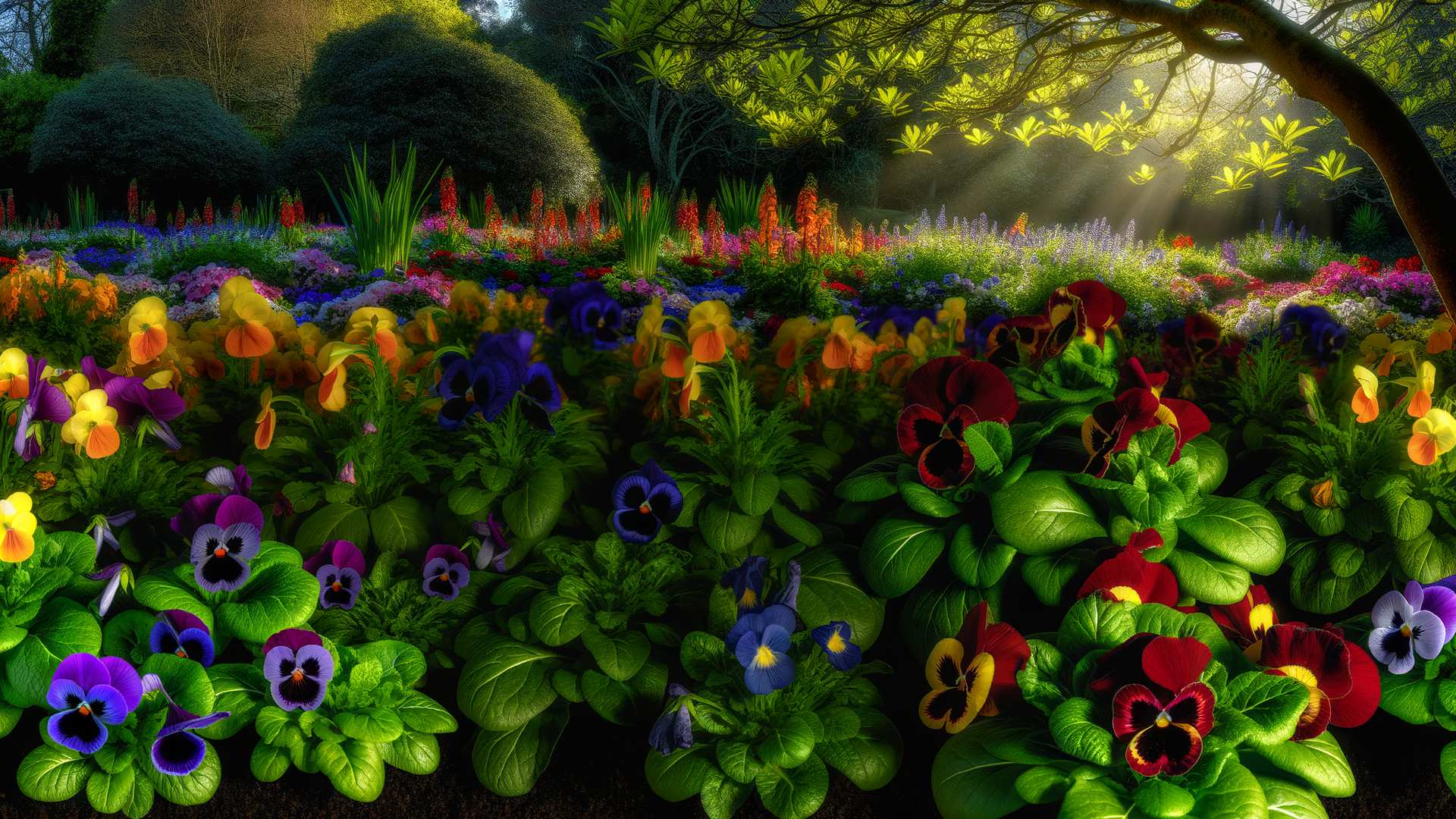
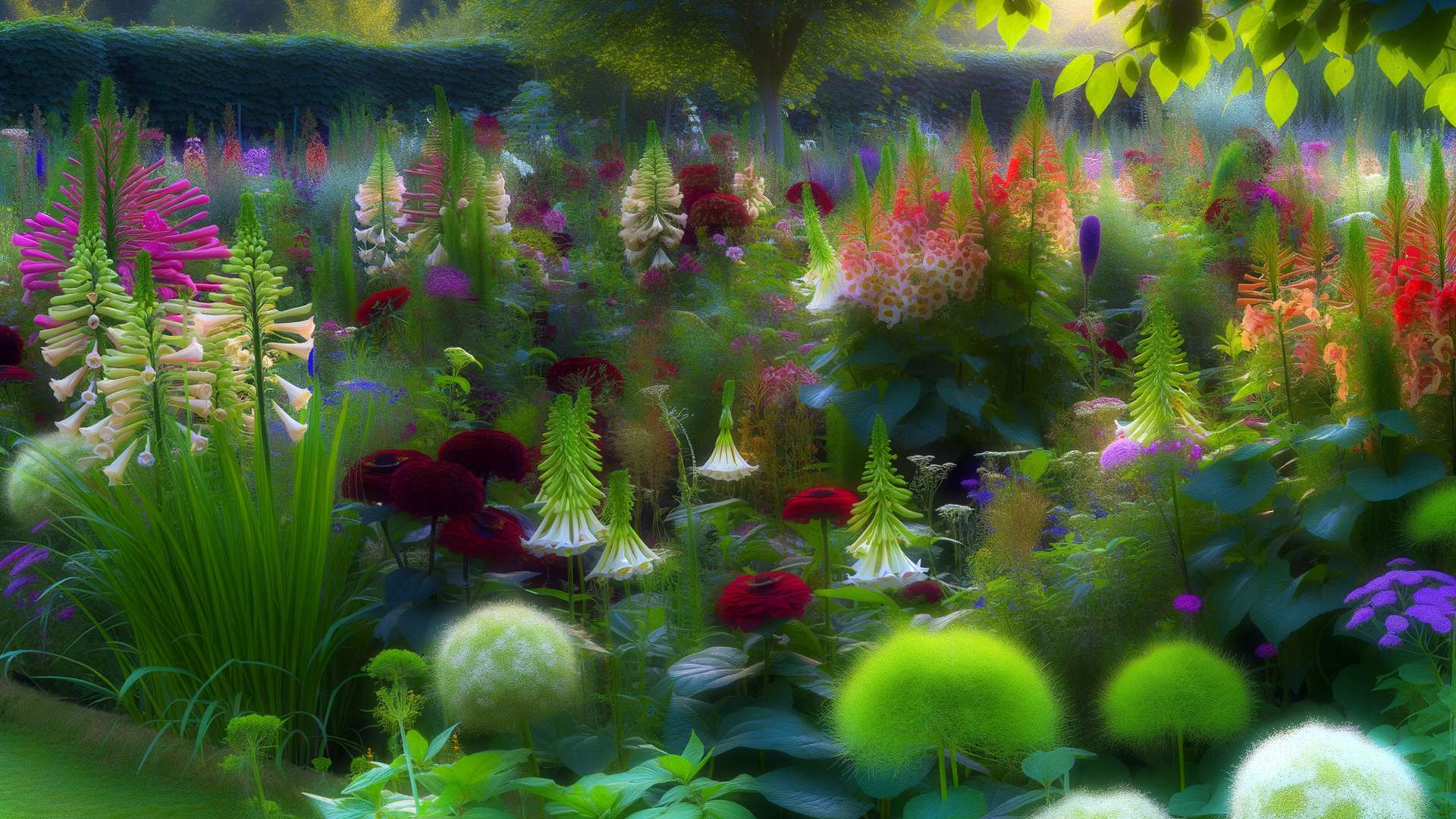
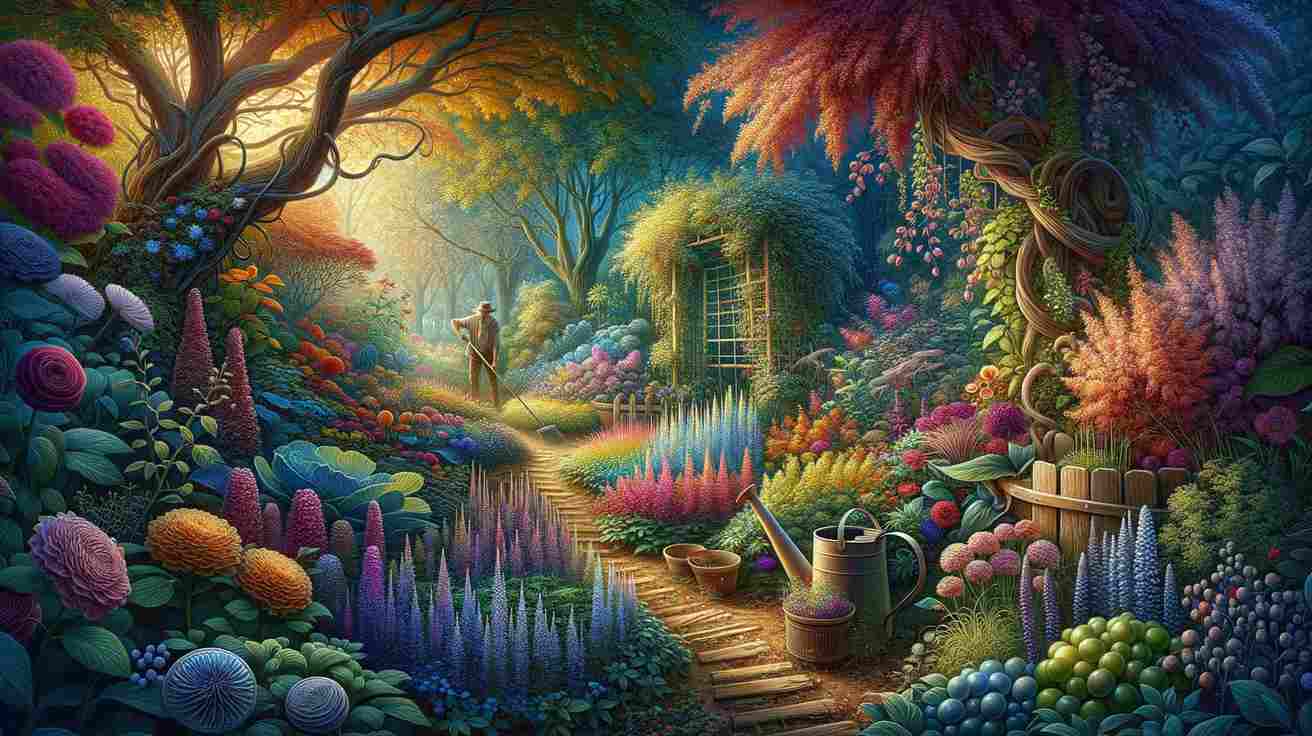
As the warm embrace of spring approaches, gardeners everywhere are preparing to revitalize their outdoor spaces. This year, a vibrant trend is emerging, bidding farewell to the soft, delicate hues that have dominated gardens in recent years. Jewel tone gardens are stepping into the limelight, bringing a rich tapestry of color and depth to landscapes. These brilliant colors—ruby reds, sapphire blues, emerald greens, and amethyst purples—are replacing pastel borders with a bold, dramatic flair. But how can you effectively incorporate these dazzling shades into your own garden? Let's dive into the art of creating a jewel tone garden that will captivate and inspire.
Understanding Jewel Tones
Jewel tones are intensely saturated colors that derive their name from gemstones. Unlike pastels, which are light and airy, jewel tones are deep, rich, and luxurious. Their intensity can transform an ordinary garden into a vibrant, lively space. When planning your jewel tone garden, it's essential to understand the characteristics of these colors and how they interact with each other and the surrounding environment.
The Science Behind the Color
Colors in the garden are more than mere aesthetics; they can influence mood and perception. Jewel tones, with their strong saturation, evoke feelings of warmth, energy, and elegance. For instance, ruby red can draw attention and create focal points, while sapphire blue can add a sense of calm and depth. Understanding how these colors can affect the ambiance of your garden is crucial in designing a space that feels both harmonious and invigorating.
Choosing the Right Palette
The key to a successful jewel tone garden lies in choosing complementary colors. Start by selecting a primary jewel tone that will serve as the foundation of your garden. From there, choose one or two additional tones that complement your primary color, ensuring a balanced and cohesive look. For example, pairing emerald green with amethyst purple can create a striking contrast, while adding touches of topaz yellow can bring warmth and brightness.
Selecting Plants for a Jewel Tone Garden
Once you've settled on your color palette, it's time to choose plants that embody these vibrant hues. A diverse selection of plants can help achieve a layered and textured look, enhancing the overall impact of your jewel tone garden.
Annuals and Perennials
Annuals are a great choice for gardeners looking to experiment with jewel tones without a long-term commitment. Flowers like zinnias and petunias come in a wide range of saturated colors and can be easily swapped out each season. Perennials, on the other hand, provide a more permanent foundation. Consider plants like iris, peonies, and delphiniums, which offer deep, vibrant colors year after year.
Shrubs and Trees
Incorporating shrubs and trees with jewel-toned foliage or flowers can add height and structure to your garden. Look for varieties such as the smoke bush with its dark purple leaves, or the Japanese maple with its crimson foliage. These plants not only contribute to the color scheme but also provide a backdrop that highlights the brilliance of your floral choices.
Climbers and Vines
Don't forget about vertical spaces! Climbers and vines can introduce jewel tones to walls, trellises, and arbors. Consider clematis with its striking purple and blue flowers or trumpet vine with its bold, fiery blooms. These plants can add an extra dimension to your garden, drawing the eye upwards and creating a sense of enclosure.
Designing Your Jewel Tone Garden
With your plants selected, the next step is to design a layout that showcases the rich colors of your jewel tone garden. A thoughtful design will ensure that your garden is not only visually stunning but also functional and enjoyable.
Layering and Grouping
Layering plants by height and texture can create a dynamic and inviting space. Taller plants should be placed towards the back or center of a border, with medium-height plants in front, and shorter plants along the edges. This arrangement allows each layer to be visible and appreciated. Grouping plants by color can also create striking visual blocks, providing a sense of order and cohesion.
Creating Focal Points
Jewel tone gardens thrive on strong focal points. Use bold colors to draw attention to specific areas, such as a seating area, a water feature, or a statue. Plants with large, vivid blooms or unique shapes can serve as natural focal points, guiding the viewer's eye through the garden.
Incorporating Hardscaping
Hardscaping elements like paths, patios, and walls can complement your jewel tone garden and enhance its overall aesthetic. Consider using materials like slate, stone, or brick in colors that contrast with or complement your plant palette. Additionally, incorporating reflective surfaces, such as mirrors or water features, can amplify the intensity of jewel tones by reflecting light and color throughout the space.
Caring for Your Jewel Tone Garden
Maintaining the vibrancy of a jewel tone garden requires regular care and attention. With the right practices, your garden can continue to dazzle throughout the growing season.
Watering and Feeding
Proper watering is crucial to maintaining the health and color of your plants. Deep watering encourages strong root growth, which is essential for supporting lush foliage and blooms. Additionally, regular feeding with a balanced fertilizer can promote vigorous growth and vibrant colors. Be mindful of the specific needs of each plant, as some may require more frequent watering or specialized nutrients.
Pruning and Deadheading
Pruning and deadheading are essential tasks for keeping your garden tidy and encouraging continuous blooming. Removing spent flowers directs energy back into the plant, promoting new growth and prolonging the blooming season. Regular pruning of shrubs and trees can help maintain their shape and prevent them from overshadowing smaller plants.
Pest and Disease Management
Jewel tone gardens, like all gardens, can be susceptible to pests and diseases. Early detection and intervention are key to preventing significant damage. Regularly inspect your plants for signs of trouble, such as discolored leaves or chewed foliage. Employing natural pest control methods, like introducing beneficial insects or using organic sprays, can help maintain a healthy, thriving garden.
FAQs
-
What are jewel tones in gardening? Jewel tones are rich, saturated colors inspired by gemstones, such as ruby reds, sapphire blues, and emerald greens, used to create vibrant and dramatic gardens.
-
How can I choose a color palette for my jewel tone garden? Start with a primary jewel tone as the foundation, then select one or two complementary colors to create a balanced and cohesive look.
-
Which plants are best for a jewel tone garden? Consider a mix of annuals, perennials, shrubs, and climbers that exhibit deep, vibrant colors, such as zinnias, iris, and clematis.
-
How do I design a layout for a jewel tone garden? Use layering and grouping techniques to create depth and interest, and incorporate focal points to guide the viewer's attention.
-
What hardscaping elements work well with jewel tone gardens? Materials like slate, stone, and brick in complementary colors, as well as reflective surfaces like mirrors or water features, can enhance the garden's aesthetic.
-
How often should I water my jewel tone garden? Water deeply and regularly, adjusting based on weather conditions and individual plant needs, to promote strong root growth and vibrant blooms.
-
What is the best way to feed plants in a jewel tone garden? Use a balanced fertilizer to encourage vigorous growth and color saturation, following specific guidelines for each plant type.
-
How do I manage pests and diseases in my jewel tone garden? Regularly inspect plants for signs of trouble and use natural pest control methods to maintain a healthy garden.
-
Can I incorporate jewel tones into small garden spaces? Yes, use vertical gardening techniques with climbers and vines, and focus on bold focal points to make the most of limited space.
-
How do jewel tones affect the mood of a garden? Jewel tones create a lively, energetic atmosphere and can evoke feelings of warmth and elegance, transforming your outdoor space.
Discussion (0)
No comments yet. Be the first to start the conversation!
Leave a Reply