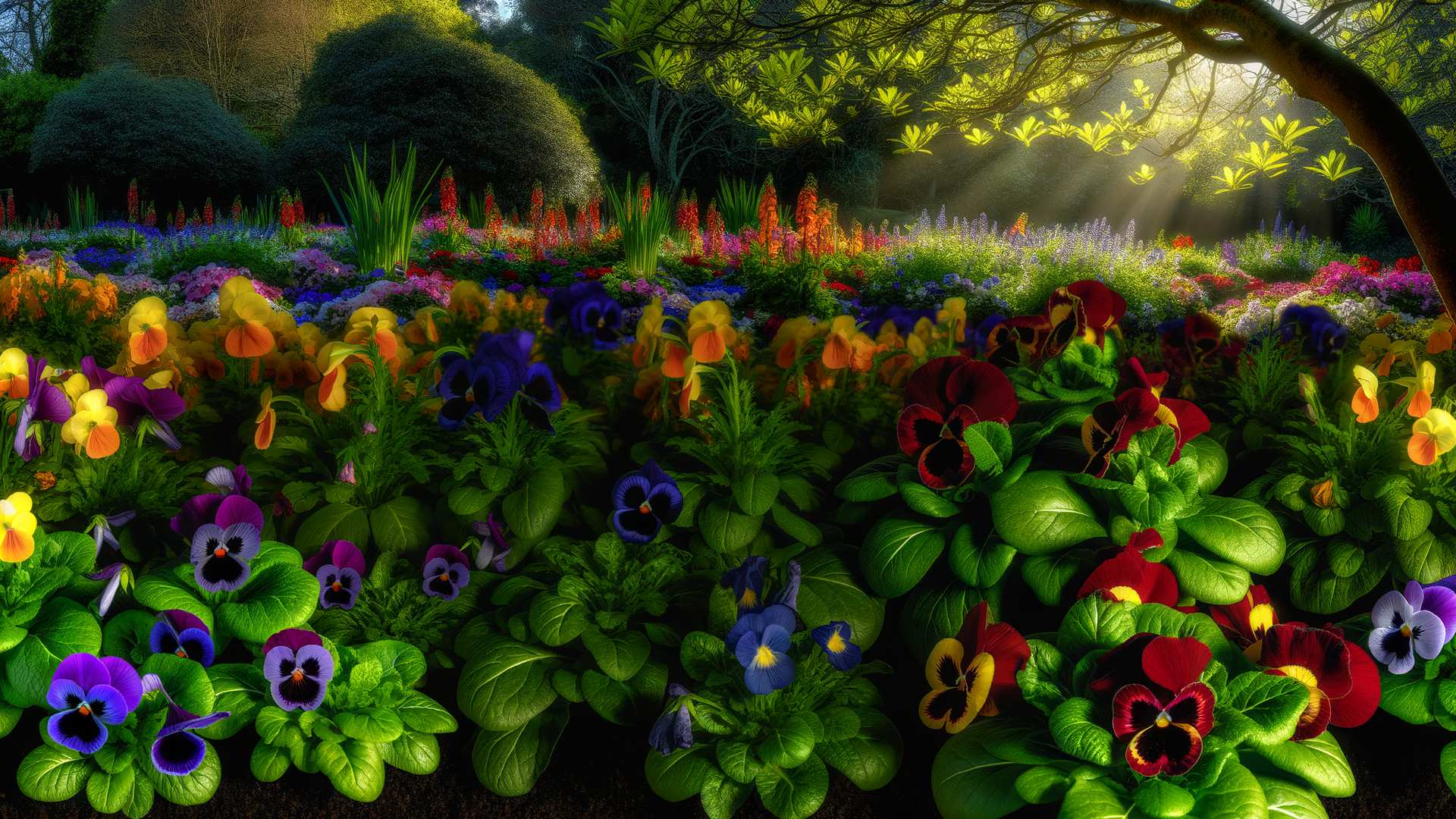

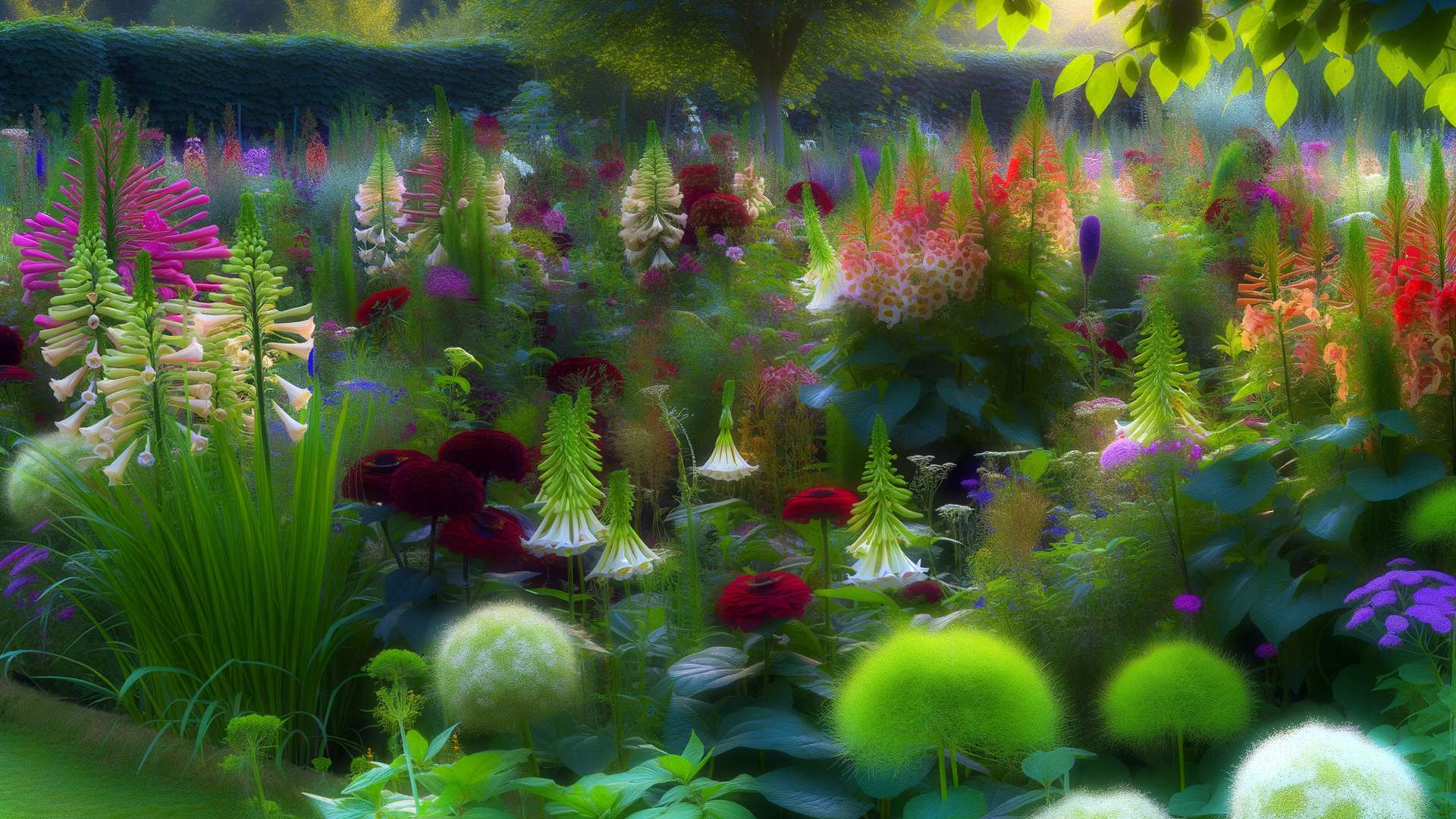
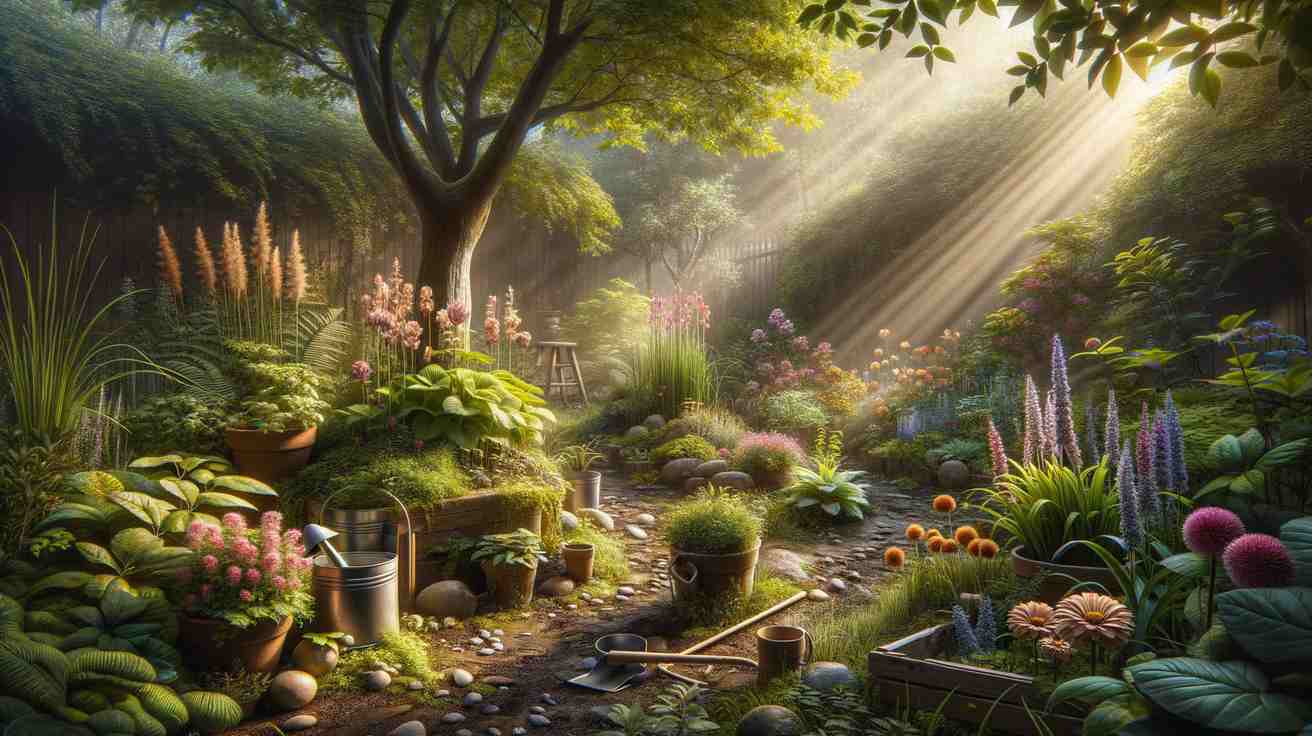
As the vibrant hues of spring begin to unfurl across gardens, a subtler trend is quietly blossoming. The faded petal color trend is taking over gardens this spring, offering an understated elegance that is both nostalgic and refreshing. This trend focuses on plants with muted, vintage tones—think soft pastels and washed-out shades that evoke a sense of calm and timeless beauty. With their ethereal charm, these plants are perfect for those looking to add a touch of romance and sophistication to their garden spaces.
Why Faded Petal Colors?
Faded petal colors are resonating with gardeners for several reasons. First, they bring a sense of tranquility, offering a respite from the often overwhelming vibrancy of traditional spring blooms. These muted tones fit well with the growing trend of creating serene outdoor spaces that promote relaxation and mindfulness.
Moreover, faded colors can harmonize beautifully with a wide range of garden styles, from rustic and cottage gardens to contemporary landscapes. They serve as a perfect backdrop, allowing more vibrant plants to shine without overwhelming the eye. Additionally, they have a unique ability to blend seamlessly with both natural and built environments, making them versatile choices for urban and rural settings alike.
5 Plants That Nail the Faded Petal Color Trend
1. Lavender (Lavandula)
Lavender is a classic choice for those seeking faded hues. Its delicate, silvery-purple flowers and fragrant, gray-green foliage create a soothing palette that is both elegant and timeless.
- Planting Tips: Lavender thrives in well-draining soil and full sun. It’s well-suited for borders and containers, and its drought-tolerant nature makes it a low-maintenance option.
- Care: Prune back after flowering to keep the plant compact and encourage new growth.
2. Dusty Miller (Senecio cineraria)
With its fuzzy, silver-gray leaves, Dusty Miller brings a soft, understated tone to gardens. While primarily grown for its foliage, its occasional yellow flowers add a gentle pop of color.
- Planting Tips: Prefers full sun and tolerates a range of soil types, as long as they are well-draining. It can be used as an edging plant or in mixed borders.
- Care: Regular deadheading of flowers will help maintain its focus on its beautiful foliage.
3. Pale Pink Peonies (Paeonia)
Peonies are beloved for their lush blooms, and those with pale pink petals epitomize the faded color trend. Their delicate blush shades convey a sense of romance and grace.
- Planting Tips: Peonies prefer full sun and well-drained soil rich in organic matter. Plant them in an area where they will not be disturbed, as they do not like to be moved.
- Care: Support plants with stakes as they grow to prevent the heavy blooms from drooping.
4. Garden Roses (Rosa) in Antique Shades
Choose garden roses in soft creams, blushes, and faded yellows to capture the essence of vintage elegance. These shades offer a classic look that enhances any garden space.
- Planting Tips: Roses require full sun and fertile, well-draining soil. Water deeply to encourage deep root growth.
- Care: Regular pruning and deadheading promote continual blooming and maintain plant shape.
5. Hydrangea ‘Annabelle’ (Hydrangea arborescens)
The Hydrangea ‘Annabelle’ is known for its large, rounded flower clusters that start lime-green and fade to a creamy white. This transition creates a soft, muted effect that is visually captivating.
- Planting Tips: Best in part shade with moist, well-drained soil. It’s ideal for foundation plantings or as a striking focal point.
- Care: Prune in late winter or early spring to encourage vigorous growth and larger blooms.
Creating a Cohesive Garden Design
Integrating faded petal color plants into your garden requires thoughtful planning to achieve a harmonious look. Here are some practical tips to consider:
- Balance and Contrast: Pair faded blooms with contrasting textures or foliage. For instance, the soft petals of peonies pair beautifully with the structured form of ornamental grasses.
- Layering: Use plants of varying heights and growth habits to create depth. Taller plants like lavender can be used as a backdrop, while shorter ones like Dusty Miller can fill in the front.
- Repetition: Repeat color themes throughout your garden to create a unified look. This can be achieved by planting groups of the same species or using similar hues across different plants.
- Complementary Hardscape: Use garden structures and accessories in natural materials like wood and stone to complement the subtle colors of faded blooms.
Maintaining Your Faded Color Garden
Keeping your garden looking its best requires ongoing care and attention. Here’s how to maintain the beauty of your faded petal color garden:
- Soil Health: Regularly amend soil with organic matter to maintain fertility and structure. This will support healthy plant growth and vibrant blooms.
- Watering: While many faded color plants are drought-tolerant, consistent watering during dry periods is crucial, especially for newly established plants.
- Pest Control: Keep an eye out for common garden pests. Integrated pest management techniques, such as introducing beneficial insects, can help keep pest populations under control.
- Seasonal Care: Adjust your garden care routine with the seasons. For instance, in spring, focus on pruning and dividing perennials, while in autumn, prepare your garden for winter by mulching and tidying up.
FAQs
-
What are the benefits of using faded petal colors in my garden?
- Faded petal colors offer a calming, understated elegance and can complement a wide range of garden styles.
-
Can faded color plants thrive in urban environments?
- Yes, many faded color plants are adaptable and can thrive in both urban and rural settings.
-
How do I ensure my faded color plants stay healthy?
- Provide proper soil, watering, and sunlight conditions and practice regular maintenance such as pruning and pest control.
-
Are there any particular soil requirements for these plants?
- Most faded color plants prefer well-draining soil rich in organic matter.
-
How can I combine faded colors with more vibrant plants?
- Use faded colors as a backdrop or filler to highlight and complement more vibrant plants.
-
What are the watering needs of faded color plants?
- While many are drought-tolerant, regular watering is essential during dry spells, especially for new plantings.
-
Do I need to fertilize these plants regularly?
- Fertilize during the growing season with a balanced, slow-release fertilizer to support healthy growth.
-
How do I protect my garden from pests naturally?
- Encourage beneficial insects and use natural remedies like neem oil to manage pests.
-
Can these plants be grown in containers?
- Yes, many faded color plants are well-suited for container gardening, particularly lavender and Dusty Miller.
-
What’s the best time to plant these faded color plants?
- Spring and fall are ideal planting times, allowing roots to establish before the stress of summer heat or winter cold.
Discussion (0)
No comments yet. Be the first to start the conversation!
Leave a Reply