As we step into 2026, the edible garden trend is blossoming into a vibrant tapestry that extends well beyond the familiar sights of tomatoes and cucumbers. This trend isn't just about growing food; it's a lifestyle choice that embodies sustainability, biodiversity, and a deeper connection to our environment. With climate change and food security becoming ever-critical issues, gardeners are turning to innovative and diverse crops that provide nutrition, flavor, and ecological benefits.
The Rise of the Diverse Edible Garden
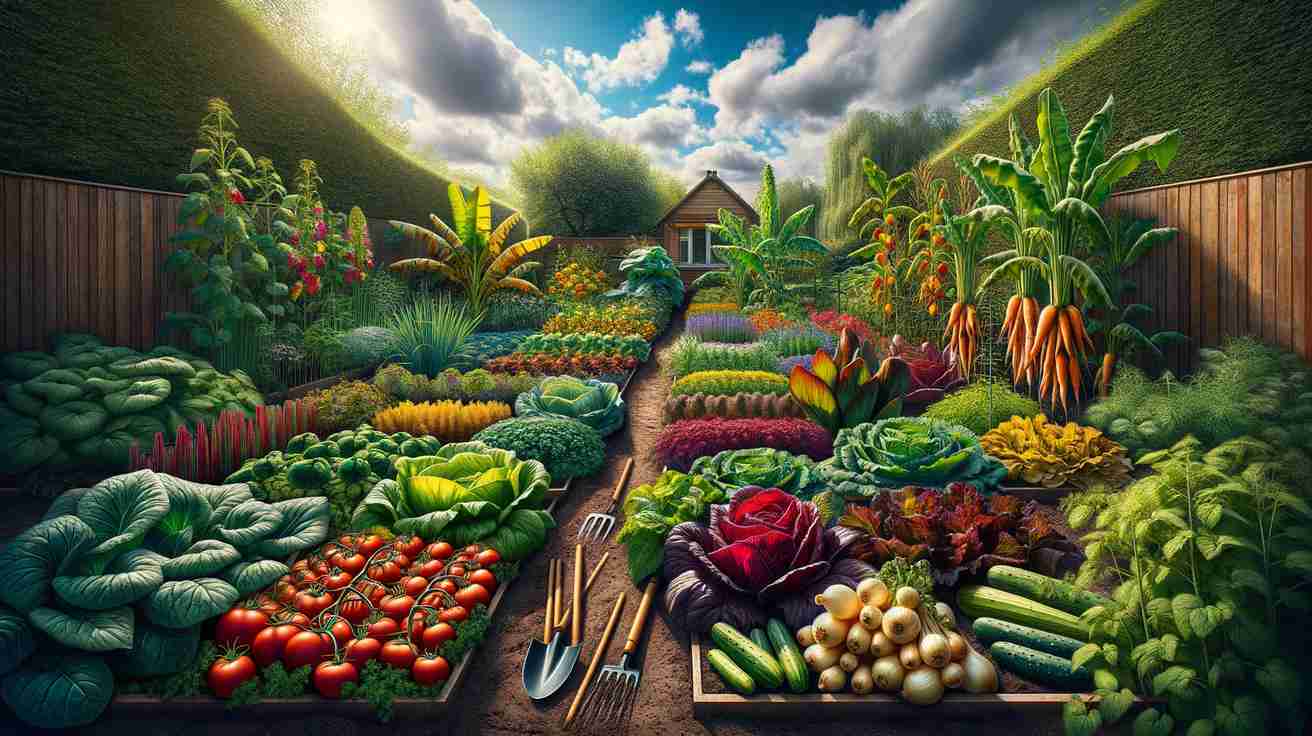
In the past, edible gardens were often limited to staple crops like tomatoes, cucumbers, and lettuce. However, modern gardeners are now embracing a wider array of lesser-known edible plants that offer unique flavors, nutritional benefits, and resilience to varying climate conditions. This shift is driven by a desire to experiment with new tastes and an increased awareness of the importance of plant diversity.
Why Diversity Matters
Diversity in your garden is not just about aesthetics or culinary novelty. It's an essential factor in creating a resilient ecosystem. A diverse garden can better withstand pests, diseases, and weather extremes. By including a variety of plants, you're not only enhancing your garden's health but also contributing to the local biodiversity by attracting different pollinators and beneficial insects.
Nutritional Powerhouses
Many of the plants gaining popularity in today's edible gardens are recognized as nutritional powerhouses. For instance, amaranth, which can be grown for both its leaves and seeds, is packed with protein, fiber, and essential amino acids. Similarly, purslane, often considered a weed, is a rich source of omega-3 fatty acids, making it a highly sought-after addition to salads and smoothies.
Exploring New Edible Opportunities
Let's dig into some of the exciting plants that are redefining the edible garden in 2026. These plants are chosen not only for their edible qualities but also for their adaptability and benefits to the garden ecosystem.
Perennial Vegetables
Unlike annuals, perennial vegetables come back year after year, reducing the need for replanting and soil disturbance. Some popular perennials include:
- Asparagus: A classic favorite, asparagus is a long-term investment that rewards patience with flavorful spears each spring.
- Rhubarb: Known for its tart stalks, rhubarb thrives in cooler climates and is perfect for pies and preserves.
- Sea Kale: With leaves that taste like cabbage and roots resembling horseradish, sea kale is a versatile addition to the garden.
Edible Flowers
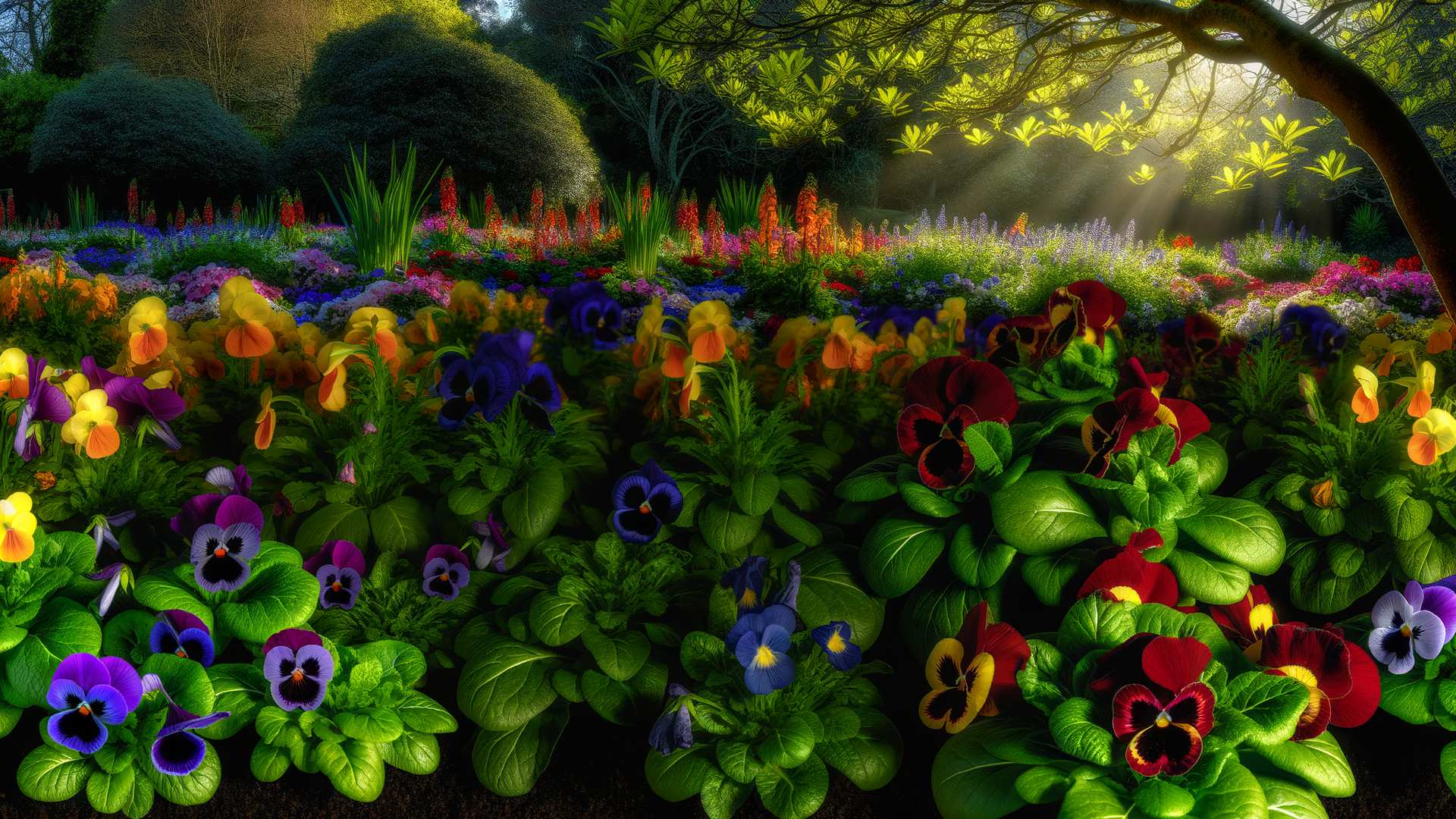
Edible flowers are not just a feast for the eyes; they add unique flavors and colors to your culinary creations. Some edible flowers to consider are:
- Nasturtiums: Peppery and vibrant, they add a splash of color to salads and can be used as garnishes.
- Calendula: Often referred to as "poor man's saffron," calendula petals can be used to color and flavor dishes.
- Borage: Cucumber-flavored borage flowers are great for teas and salads.
Uncommon Grains
With a renewed interest in ancient grains, gardeners are exploring the cultivation of uncommon grains that are nutritious and versatile:
- Quinoa: This adaptable grain is valued for its high protein content and can thrive in various climates.
- Millet: Known for its drought resistance, millet is a staple in many cultures and is gaining popularity in home gardens.
- Sorghum: Both a grain and a syrup source, sorghum is heat-tolerant and versatile in the kitchen.
Cultivating a Sustainable Edible Garden
Creating an edible garden that goes beyond tomatoes and cucumbers involves more than just selecting diverse plants. It requires a thoughtful approach to gardening practices that promote soil health, water conservation, and ecological balance.
Soil Health
Healthy soil is the foundation of any successful garden. Incorporating cover crops like clover or vetch can improve soil structure, add nutrients, and reduce erosion. Additionally, practicing crop rotation and adding organic matter, such as compost, ensures that your soil remains fertile and productive.
Water Conservation
With water becoming an increasingly precious resource, efficient watering practices are crucial. Drip irrigation systems and rainwater harvesting are effective methods for conserving water while ensuring that your plants receive adequate moisture. Mulching with organic materials like straw or wood chips can also help retain soil moisture and suppress weeds.
Pest Management
A diverse garden naturally supports a variety of beneficial insects that can help manage pests. Encouraging the presence of predatory insects like ladybugs and lacewings can reduce the need for chemical pesticides. Planting companion plants that repel pests, such as marigolds or garlic, is another effective strategy.
Embracing the Community Aspect
An often-overlooked benefit of edible gardening is the sense of community it can foster. As more people become interested in food production, sharing seeds, cuttings, and gardening knowledge becomes a rewarding social activity. Community gardens and local gardening clubs provide opportunities to connect with fellow enthusiasts and learn from each other’s experiences.
Educational Workshops
Many communities are now offering workshops that focus on sustainable gardening practices, permaculture design, and organic farming. These workshops can be invaluable resources for both novice and experienced gardeners looking to expand their knowledge and skills.
Seed Swaps
Participating in seed swaps is a great way to diversify your garden without purchasing new seeds. It's also an opportunity to preserve heirloom varieties and ensure genetic diversity within plant species.
Conclusion
The edible garden trend in 2026 is a testament to our evolving relationship with food and the environment. By embracing plant diversity and sustainable practices, gardeners are creating spaces that nourish both body and soul. As we continue to explore the potential of edible gardens, we not only enhance our culinary experiences but also contribute to a healthier planet.
FAQs
1. What are some easy-to-grow perennial vegetables for beginners? Beginners might start with asparagus, rhubarb, and sorrel, as these require minimal maintenance once established.
2. How can I make my edible garden more drought-resistant? Incorporating drought-tolerant plants like millet and using mulch to retain moisture are effective strategies.
3. Are there any edible flowers that can be grown indoors? Yes, nasturtiums and violas can be grown indoors with sufficient light and care.
4. What are some pest-repelling companion plants? Marigolds, basil, and garlic are excellent companions that can help deter common garden pests.
5. How do I ensure my soil remains healthy year after year? Practice crop rotation, add organic matter, and use cover crops to maintain soil health.
6. Can I grow grains in a small urban garden? Yes, grains like quinoa and amaranth can be grown in containers or small plots, making them suitable for urban gardens.
7. What are the benefits of joining a community garden? Community gardens offer social interaction, shared resources, and opportunities to learn from experienced gardeners.
8. How do I start a seed swap in my community? Organize an event at a local community center or garden, and invite gardeners to bring seeds to exchange.
9. What is the best way to attract pollinators to my garden? Plant a variety of flowers with different bloom times and provide habitats for bees and butterflies.
10. How can I make my edible garden more sustainable? Use organic methods, conserve water, and choose plants that are well-suited to your climate and soil conditions.
Discussion (0)
No comments yet. Be the first to start the conversation!
Leave a Reply