

The Kitchen Secret: A Personal Revelation
I still remember the day vividly. It was a typical Saturday morning, the kind where the sun lazily pours into the kitchen, casting a warm glow over every surface. I was standing in front of my trash can, peeling vegetables for my family's favorite stew. As I tossed potato peels, carrot tops, and onion skins into the bin, a memory danced at the edge of my thoughts.
Growing up, my grandmother had the greenest thumb of anyone I knew. Her garden was a riot of colors and scents, attracting birds and butterflies alike. One summer day, as a curious child, I watched her toss kitchen scraps onto what I thought was just a pile of dirt. She looked at me with a knowing smile and said, "It's not just dirt, dear. It's garden gold."
Fast forward to that Saturday morning, and the realization hit me. Could I be carelessly discarding something that was, in fact, a treasure? Thus began my journey into the wondrous world of composting. This kitchen waste I had seen as garbage was indeed a secret superfood for my garden.
Transforming Kitchen Scraps into Garden Gold
Understanding Composting
Composting is the process of recycling organic matter, like kitchen waste, into a valuable fertilizer that can enrich soil and nurture plants. It's nature's way of recycling, creating a natural cycle of life and decay that boosts plant growth. But how does one turn garbage into garden gold?
The Ingredients of Great Compost
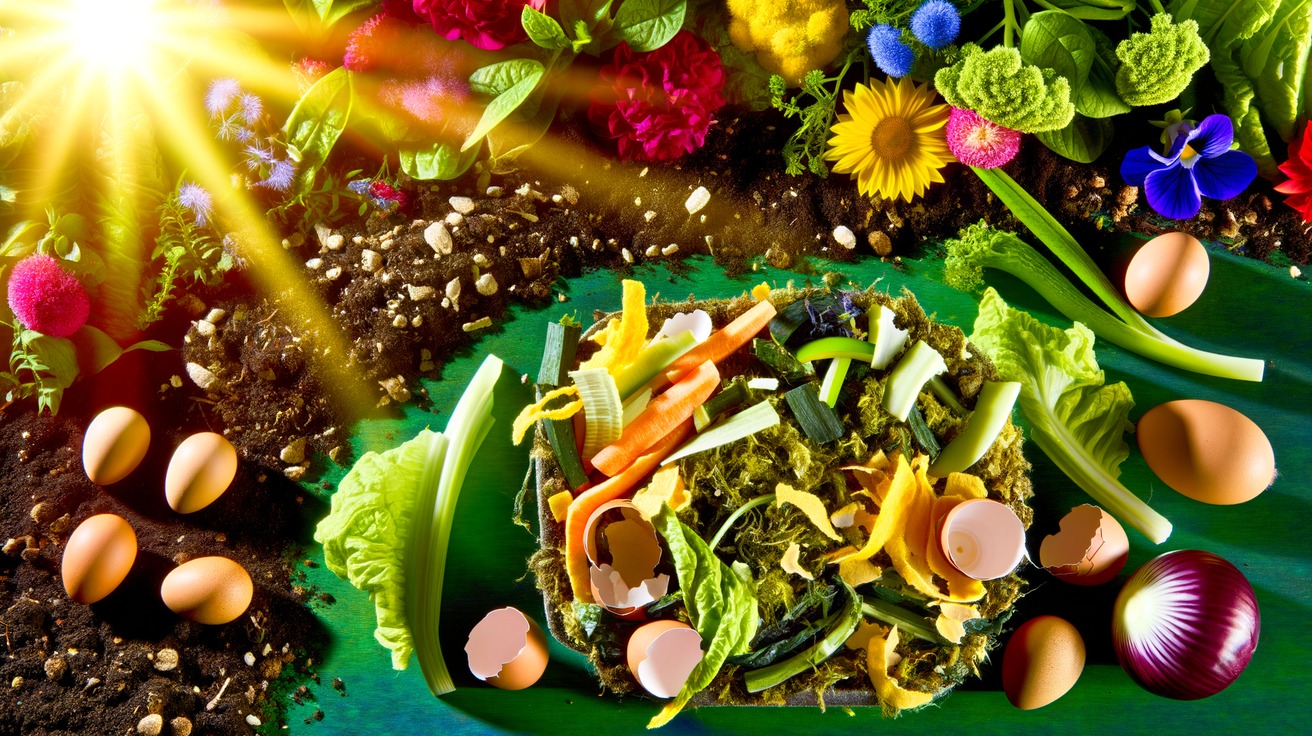
To make rich compost, you need a good balance of greens and browns. The greens include kitchen scraps like fruit peels, coffee grounds, and vegetable cuttings, which are high in nitrogen. Browns are materials like dried leaves, twigs, and newspaper, rich in carbon.
Balance is critical. Too much green can lead to a smelly compost bin, while too many browns can slow down the composting process. Aim for a ratio of about one part green to three parts brown.
The Composting Process
- Prepare Your Bin: Start with a compost bin or designate a spot in your garden.
- Layer Your Materials: Alternate layers of greens and browns.
- Moisturize: Keep your compost pile as moist as a wrung-out sponge. Too much water can cause rot; too little slows down decomposition.
- Aerate Regularly: Turn your compost every few weeks to add oxygen, which speeds up decomposition.
- Patience Pays Off: In a few months, you’ll have dark, crumbly compost ready to enrich your garden.
Benefits of Composting
Enriches Soil
Compost enriches soil, helping retain moisture and suppress plant diseases. By adding organic matter, you’re improving the soil structure, adding vital nutrients, and encouraging the growth of beneficial fungi and bacteria.
Reduces Waste
By composting, you eliminate waste generated from kitchen scraps, effectively reducing your carbon footprint. Instead of contributing to landfill mass, you're part of the solution for sustainable living.
Nourishes Plants
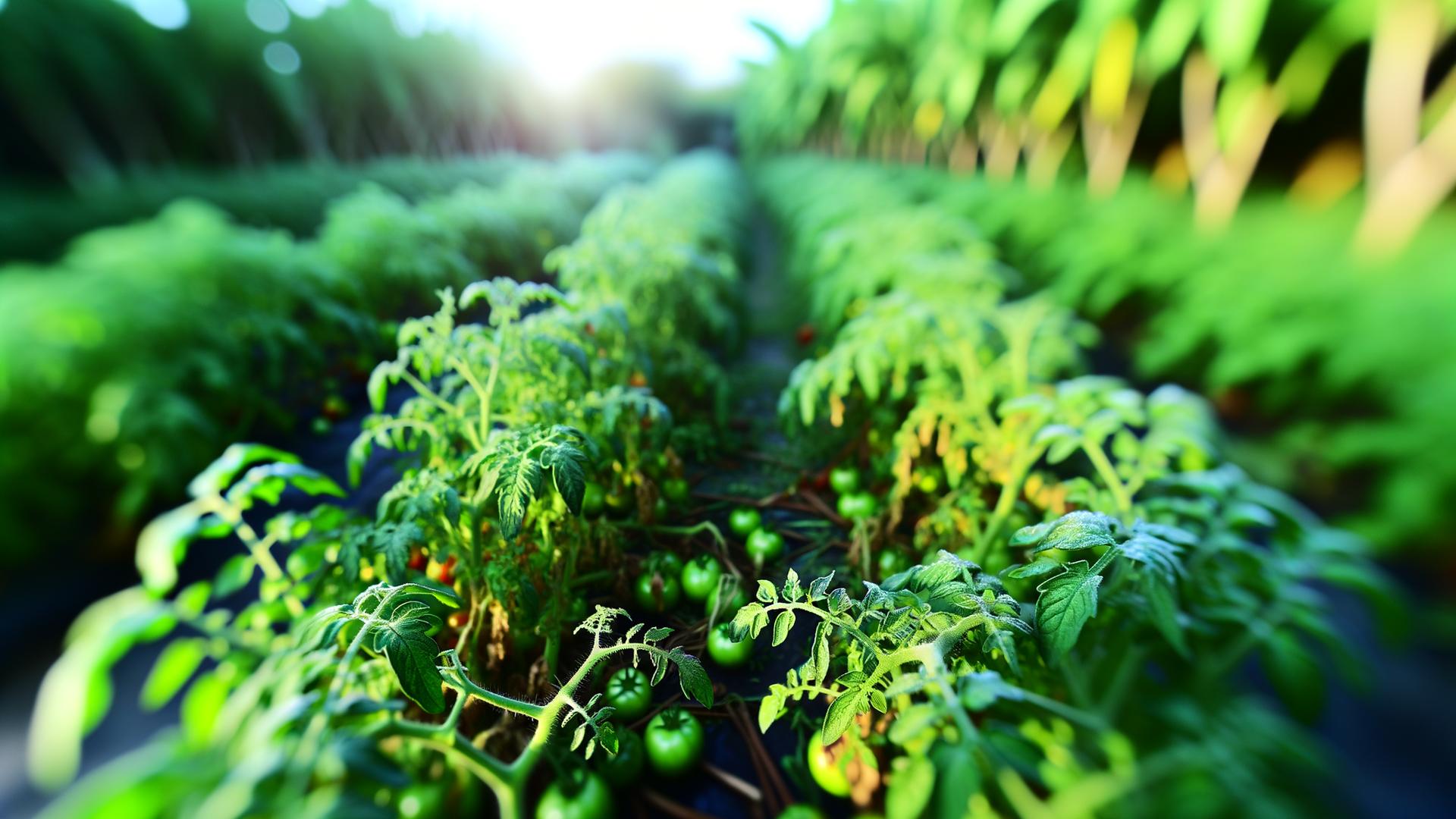
The nutrient-rich compost serves as a natural fertilizer, enhancing plant growth and yield. Vegetables become more luscious, flowers bloom brighter, and your garden thrives overall.
Creative Uses for Compost
Mulching Magic
Use your compost as mulch. Spread it around your garden base to retain moisture, suppress weeds, and protect roots from extreme temperatures.
Homemade Potting Mix
Blend compost with sand and soil to create a nourishing potting mix. This mix is perfect for indoor plants or to help seedlings thrive.
Liquid Gold
Create compost tea by steeping compost in water for 24 hours. Use this nutrient-rich solution as a foliar spray or soil drench to give plants an extra boost.
Answers to Common Composting Questions
-
What should not be composted? Avoid meat, fish, dairy, and fats, as they can attract pests and cause odors.
-
How long does composting take? Depending on conditions, composting can take anywhere from 2 months to a year.
-
Can cooked foods be composted? It's best to avoid cooked foods as they might disrupt the balance and attract pests.
-
Is it normal for compost to heat up? Yes, heat is a sign that microbial activity is breaking down material effectively.
-
How do I know when compost is ready? Finished compost is dark, crumbly, and smells earthy.
-
Can you compost citrus peels? Yes, in moderation as too much can make the compost too acidic.
-
Why is my compost not breaking down? It might be too dry or too cold. Adjust moisture and aerate to revive activity.
-
Does compost smell? Properly balanced compost should not have a foul odor; it should smell earthy.
-
Can I compost weeds? Yes, but only if they have not seeded to prevent spreading.
-
Are there alternatives to traditional composting? Yes, consider vermicomposting (using worms) or using a bokashi system for quicker decomposition.
The Root of a Greener Future
Initializing composting into your daily routine not only nurtures your garden but contributes positively to the environment. Every peel, every shell, every leaf—what once was seen as waste can become the heart of sustainable gardening.
Beneath our feet, gardens tell tales of growth nourished by yesterday’s scraps. They are silent witnesses to the cycle of nature, where nothing is wasted, only transformed. The secret superfood for every budding gardener lies right in the kitchen—waiting to enrich, nurture, and bloom into a legacy.
Discussion (0)
No comments yet. Be the first to start the conversation!
Leave a Reply