The Day I Stumbled Upon a Secret Garden
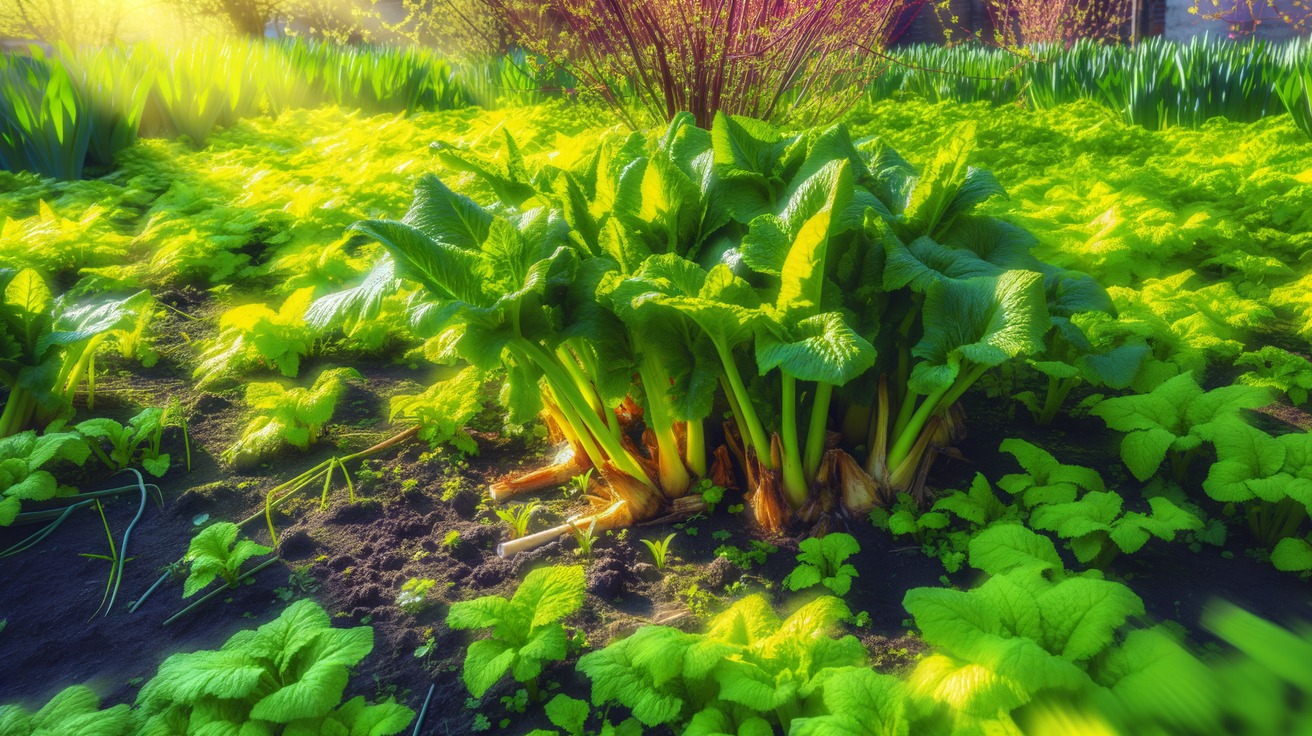
As I wandered through the labyrinth of a sun-dappled Mediterranean market, the chatter of enthusiastic stall keepers filled the air. The melody of foreign tongues enveloped me as I navigated through the sea of colors and aromas. Among the piles of vibrant fruits and vegetables, I spotted an odd, leafy green that caught my eye. It was like nothing I had ever seen before—mystical and almost otherworldly. Intrigued, I approached the vendor, an elderly woman whose eyes twinkled with the wisdom of ages past.
She spoke to me in hushed tones, as if revealing a clandestine treasure. I learned that this plant was not just any vegetable; it was a rare gem passed down through generations—a forgotten legacy of our agricultural past. As she gently placed a handful of the leafy greens into my palm, she whispered, "Cherish this, for it holds the secrets of our ancestors."
That day, my heart swelled with a sense of responsibility and connection. I had stumbled upon something rare, something precious, and I knew I had to revive this forgotten treasure in my own backyard. Thus began my journey to discover and cultivate this rare vegetable—one that I now share with you.
Why Grow a Rare Vegetable This Spring?
Embrace Biodiversity
Growing rare vegetables not only provides a unique culinary experience but also plays a crucial role in enhancing biodiversity. Many heirloom and rare vegetables have adapted to unique environments and developed resistance to specific pests and diseases that modern hybrids may not withstand. By cultivating these hidden gems, you can contribute to the preservation of genetic diversity, which is vital for sustainable agriculture.
Connect with Heritage
Planting a rare vegetable lets you nurture a deeper connection with our collective heritage. Each seed holds a story, and each plant is a living relic of our ancestors' ingenuity and resilience. The experience of reviving these crops is a poignant reminder of our roots, allowing us to savor the flavors and aromas that have been meticulously preserved through the ages.
Cultivate Curiosity and Adventure
Gardening is, at its heart, an adventure. Growing an uncommon vegetable invites you to explore uncharted territories of textures, tastes, and colors. It provides an opportunity to experiment with culinary creations that expand your palate and transform your perception of food. Discovering how a rare vegetable responds to different growing conditions fosters a spirit of curiosity and innovation.
Choosing the Right Rare Vegetable
Evaluate Your Growing Conditions
Before diving into the world of rare vegetables, assess your local climate and soil conditions. Certain rare varieties may have specific requirements, thriving in particular climates or soil types. Once you've identified these parameters, you can make an informed choice on which rare vegetable will flourish in your garden setting.
Research Heritage Varieties
There is an abundance of rare and heirloom vegetables waiting to be rediscovered. Some examples include the vividly striped Chioggia beet with concentric red and white rings, or the exotic fairy tale eggplant with its lavender-hued skin. Embarking on a research journey will help you select a rare vegetable that piques your interest and fits well with your gardening aspirations.
Seek Out Seed Sources
Finding seeds for rare varieties can sometimes be a challenge. Explore online heirloom seed catalogs, visit farmer's markets, and connect with local gardening clubs to source seeds. These communities are invaluable resources in your quest to acquire these precious plantings.
Planting and Growing Tips
Preparing Your Soil
Healthy, nutrient-rich soil is the foundation of any successful garden. Conduct a soil test to determine its pH and nutrient profile. Amend your soil with organic compost and well-aged manure to promote a fertile environment for your rare vegetable. Ensuring proper drainage and aeration is also crucial.
Sowing and Spacing
Understanding the specific planting needs of your chosen rare vegetable variety is key to its success. Pay attention to the ideal planting time, depth of sowing, and spacing requirements for optimal growth. Follow the instructions on the seed packet or consult online resources specific to your vegetable of choice.
Watering and Fertilization
Rare vegetables, like any plant, require a consistent supply of water. Be mindful not to overwater and ensure that your soil drains well. Fertilize regularly with organic options like fish emulsion or kelp meal, which will provide essential nutrients without the addition of harsh chemicals.
Managing Pests and Diseases
Though many rare vegetables possess inherent resistance to pests, vigilance is still necessary. Employ natural pest control methods such as introducing beneficial insects, using insecticidal soaps, or applying neem oil. Regularly inspect your plants for signs of disease and promptly address any issues that arise.
Harvesting and Enjoying Your Bounty
Knowing When to Harvest
The key to enjoying your rare vegetable at its peak is harvesting it at the right time. Some vegetables will change color or size when they are ready for harvest, while others can be tested by gently squeezing to determine ripeness. Keeping a detailed garden journal can help track the growth and maturity of your plants.
Culinary Adventures
The time has finally come to savor the fruits—or rather, the vegetables—of your labor. Dive into the culinary possibilities that your rare vegetable offers. Experiment with new recipes or put a twist on traditional dishes. Sharing your unique creations with family and friends can ignite interest and appreciation for these wonderful plants.
FAQs
1. What is a rare vegetable?
A rare vegetable is typically an heirloom or less common plant variety that isn't widely cultivated in modern agriculture. These vegetables often possess unique flavors, colors, and nutritional profiles that differentiate them from mainstream varieties.
2. Why are rare vegetables important?
Rare vegetables help maintain biodiversity and offer alternative genetic resources that can be vital for improving crop resilience and sustainability. They also provide diverse flavors and culinary experiences.
3. How do I know if a vegetable is suitable for my climate?
Research the vegetable's climatic preferences and compare them to your local growing conditions, such as temperature range, rainfall, and frost dates. Consulting regional gardening guides can provide insights into suitability.
4. Can I grow rare vegetables in containers?
Yes, many rare vegetables can be grown successfully in containers, provided they have adequate space, soil, and water supply. Choose compact varieties and ensure proper drainage.
5. Where can I find seeds for rare vegetables?
Look for heirloom seed catalogs online, local gardening clubs, agricultural extension services, and farmers' markets. Networking with other gardeners can also lead to valuable seed-swapping opportunities.
6. Are rare vegetables more prone to pests?
Not necessarily; in fact, some rare vegetables exhibit strong pest-resistant traits. However, vigilance and proper management are still important to safeguard your plants.
7. What should I do if my rare vegetable doesn't thrive?
Evaluate your growing conditions, such as soil quality, sunlight exposure, and watering schedule. Make necessary adjustments, or consider consulting local gardening experts for advice specific to your region.
8. How long do rare vegetable seeds last?
Most rare vegetable seeds can remain viable for 2 to 5 years if stored properly in a cool, dry place. Seed viability can vary by species, so it is best to keep track of how the seeds are stored.
9. Can rare vegetables improve the soil health?
Yes, some rare vegetables like legumes can fix nitrogen in the soil, enhancing soil fertility. Their diverse root systems can also improve soil structure and promote microbial activity.
10. What are some ways to cook with rare vegetables?
Rare vegetables can be roasted, sautéed, pickled, or used raw in salads. Be adventurous in your cooking, and explore different cuisines to maximize their unique flavors and textures.
Discussion (0)
No comments yet. Be the first to start the conversation!
Leave a Reply